Get Quote
Home > EC Compact Axial Flow

EC Compact Axial Flow

By type

By industry

Rated Voltage(V)

Size(mm)

Max.Air Flow(m³/h)

Max.Pressure(Pa)

Input Power(W)

Speed(rpm)

Noise(db)

Stocking Options

Environmental Options

Media

Exclude

1 results

Applied Filters

Showing
1-1
1-1
of 1
Download Table
Mfr Part # Rated Voltage(V) Size(mm) Max.Air Flow(m³/h) Max.Pressure(Pa) Input Power(W) Speed(rpm) Noise(db)
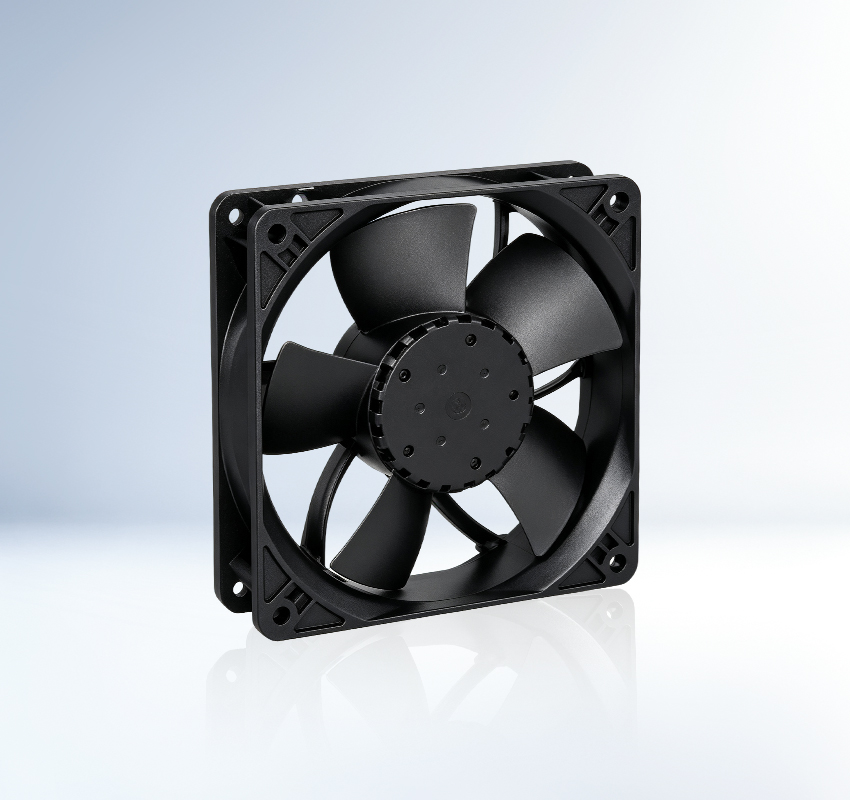
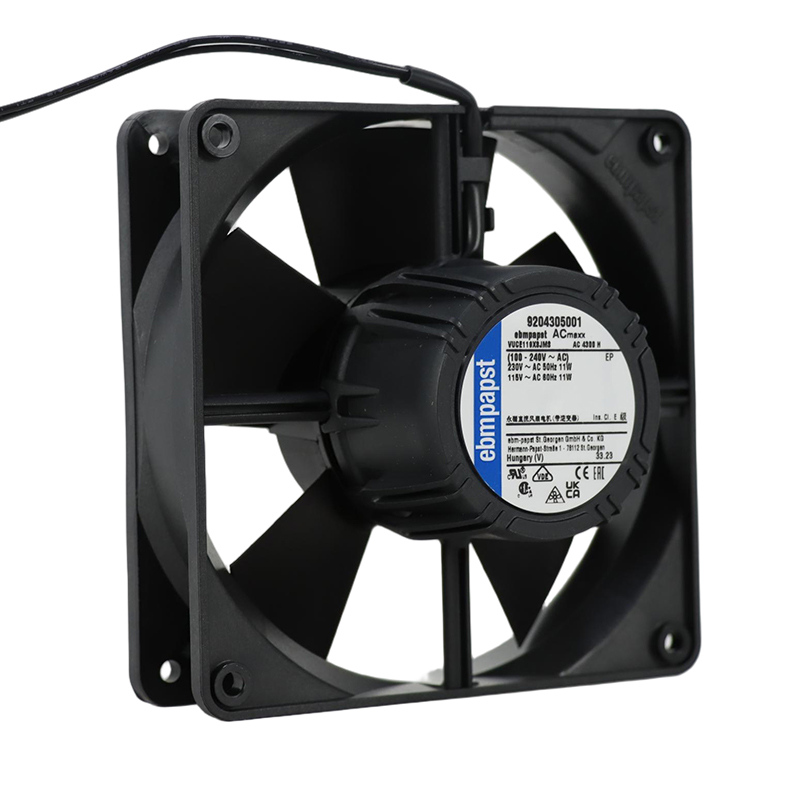
AC4300H | ebm-papst 115V 12W EC Axial Fan for Electronics Cooling

The ebm-papst AC4300H is a high-performance ec axial fan engineered for electronics and industrial equipment. It provides reliable airflow and efficient thermal management for demanding equipment.

115 119*119*32 204 - 12 3400 51
Showing
1-1
1-1
of 1

About EC Compact Axial Flow

Compact EC axial flow fans bring the energy efficiency advantages of EC technology to small-form-factor applications — typically ranging from 40mm to 120mm in frame size. Like their larger counterparts, compact EC fans use Electronically Commutated motors that achieve dramatically higher efficiency than both AC and brushed DC alternatives while delivering variable speed capability via PWM or 0-10V control. The compact EC axial fan category has grown rapidly in recent years as equipment manufacturers seek to reduce energy consumption and meet increasingly stringent global energy efficiency regulations (including ErP in the EU and DOE standards in the US). Compact EC fans are used in premium electronics (high-end gaming PCs, workstations), modern home appliances (inverter air conditioners, variable-speed refrigerators), and next-generation telecommunication equipment. Leading manufacturers include ebm-papst (compact GreenTech EC range) and Rosenberg. Key selection parameters include frame size, operating voltage, efficiency rating, noise level, and PWM control compatibility. Hengrui offers competitive pricing and inventory availability for compact EC axial fans from all major global manufacturers.

Bag

Bag packaging indicates that a specified quantity of product is packaged by the manufacturer in a bag, sealed pouch, or similar container and sold as a unit without repackaging. It is also used to describe kits/assortments where components are packaged in separate bags according to part number or parametric value, rather than in a compartmentalized box or similar rigid container.