Get Quote
Home > Products > By brand > SODECA > Fans for Industrial Applications

Fans for Industrial Applications

By type

By industry

Rated Voltage(V)

Size(mm)

Max.Air Flow(m³/h)

Max.Pressure(Pa)

Input Power(W)

Speed(rpm)

Noise(db)

Stocking Options

Environmental Options

Media

Exclude

0 results

Applied Filters

Showing
0-0
of 0
Download Table
Mfr Part # Rated Voltage(V) Size(mm) Max.Air Flow(m³/h) Max.Pressure(Pa) Input Power(W) Speed(rpm) Noise(db)
Showing
0-0
of 0

About Fans for Industrial Applications

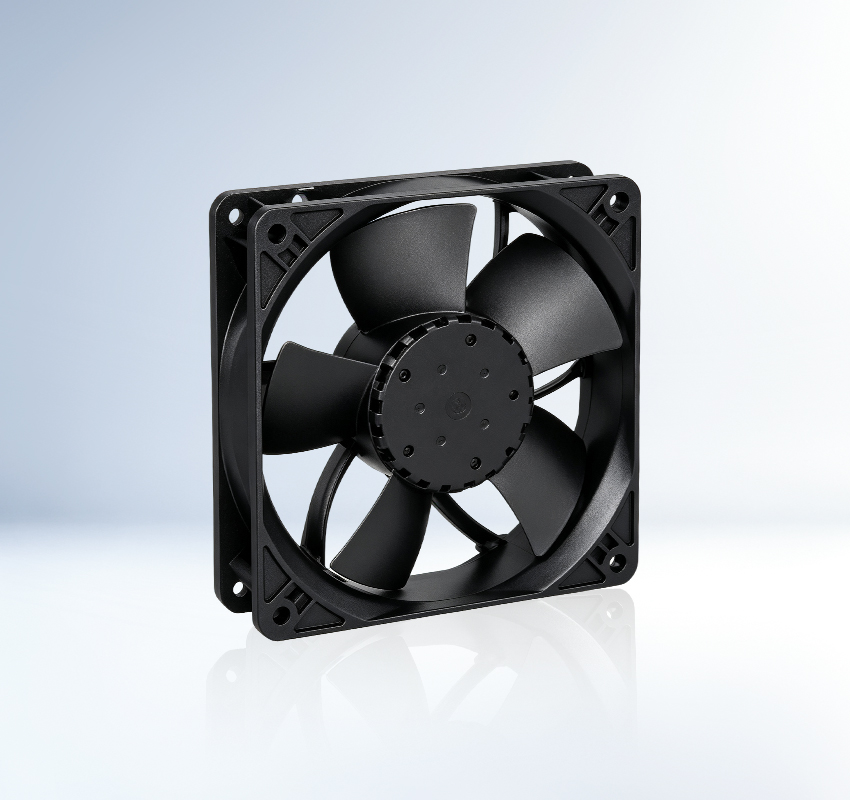
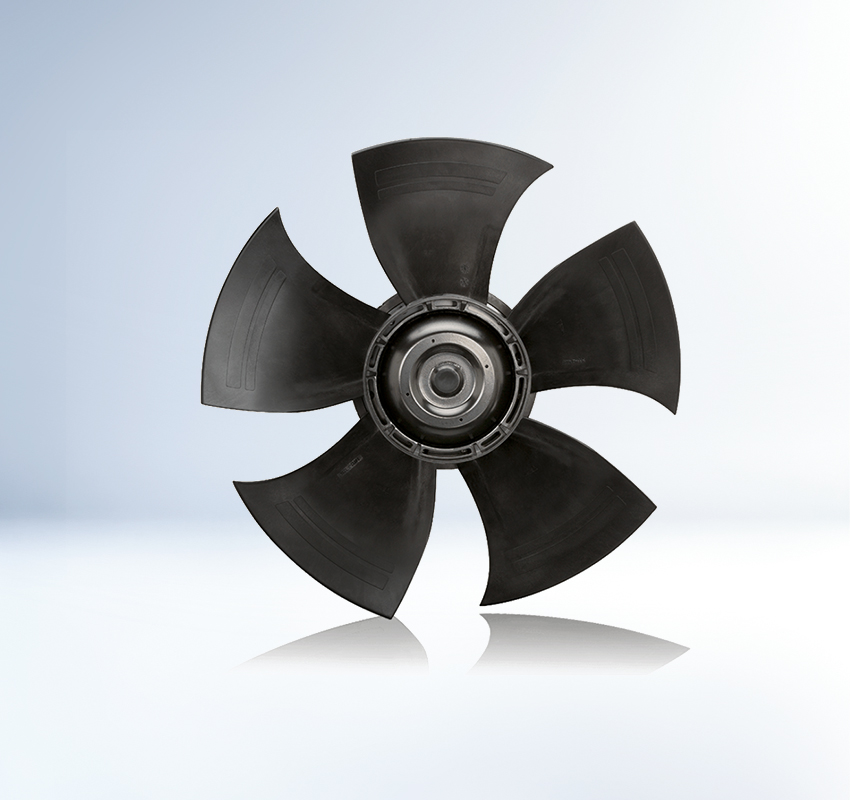
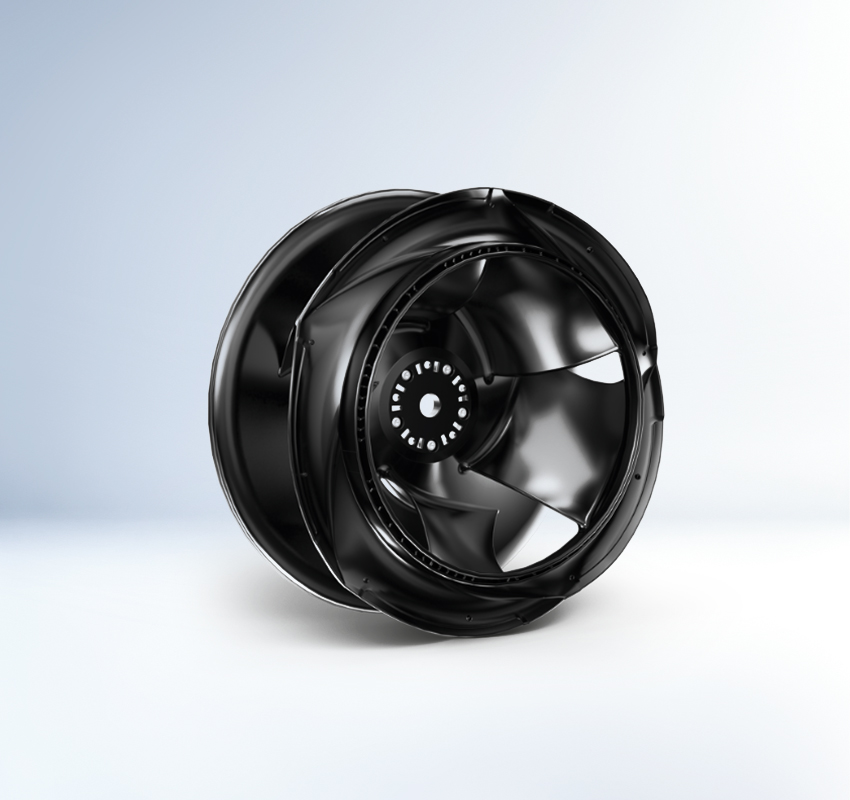
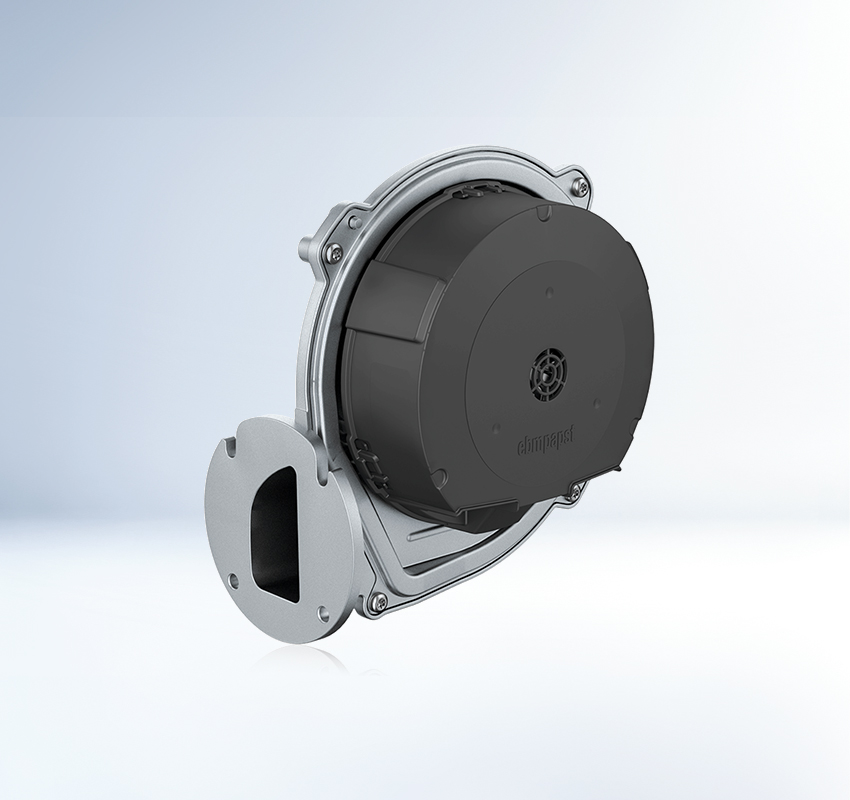
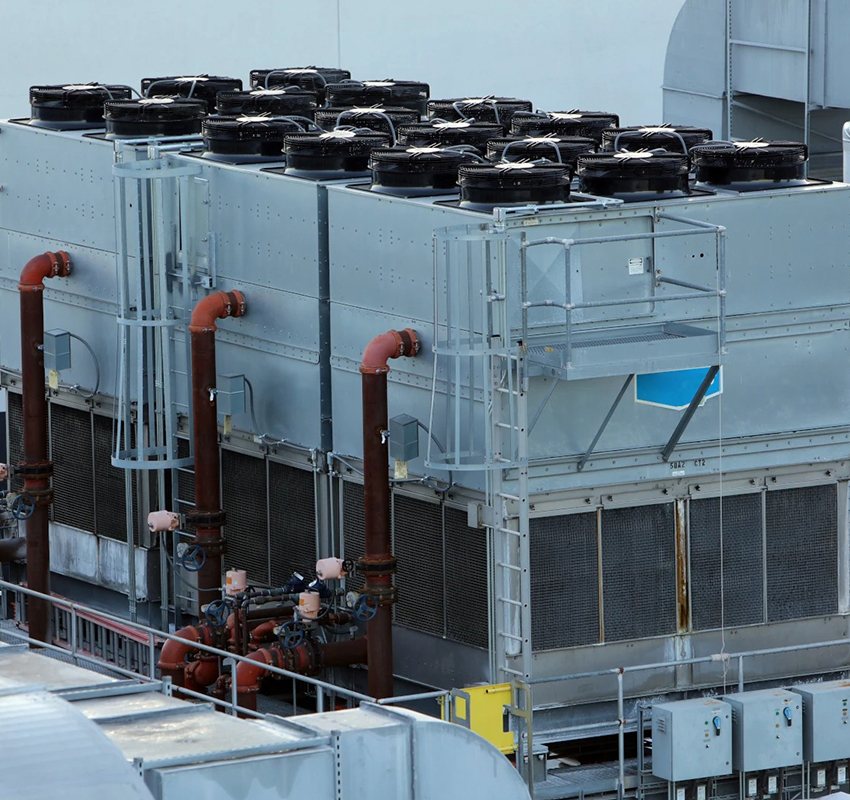
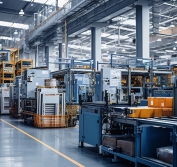
Fans for industrial applications constitute the broadest category of process ventilation equipment, serving manufacturing facilities, power generation plants, petrochemical refineries, metal processing operations, pharmaceutical clean rooms, food production facilities, and chemical processing plants. Industrial process ventilation encompasses five major fan application areas: general factory ventilation (large axial fans or roof exhaust fans), process cooling fans (high-static-pressure centrifugal fans for cooling furnaces, ovens, and equipment), fume extraction and dust collection (backward curved centrifugal fans with high pressure capability), pneumatic conveying fans (high-speed radial or backward curved fans for material transport), and special environment fans (corrosion-resistant, explosion-proof, or high-temperature fans for hazardous applications). Industrial fans must be selected for specific operating conditions including ambient temperature, air composition (dust, vapors, corrosive materials), and required airflow-pressure performance envelope. Leading manufacturers supplying comprehensive industrial fan product lines include Nicotra Gebhardt, SODECA, ebm-papst, ZIEHL-ABEGG, and Rosenberg. Hengrui provides complete industrial fan solutions with engineering support, material selection advice, and competitive pricing.

Bag

Bag packaging indicates that a specified quantity of product is packaged by the manufacturer in a bag, sealed pouch, or similar container and sold as a unit without repackaging. It is also used to describe kits/assortments where components are packaged in separate bags according to part number or parametric value, rather than in a compartmentalized box or similar rigid container.