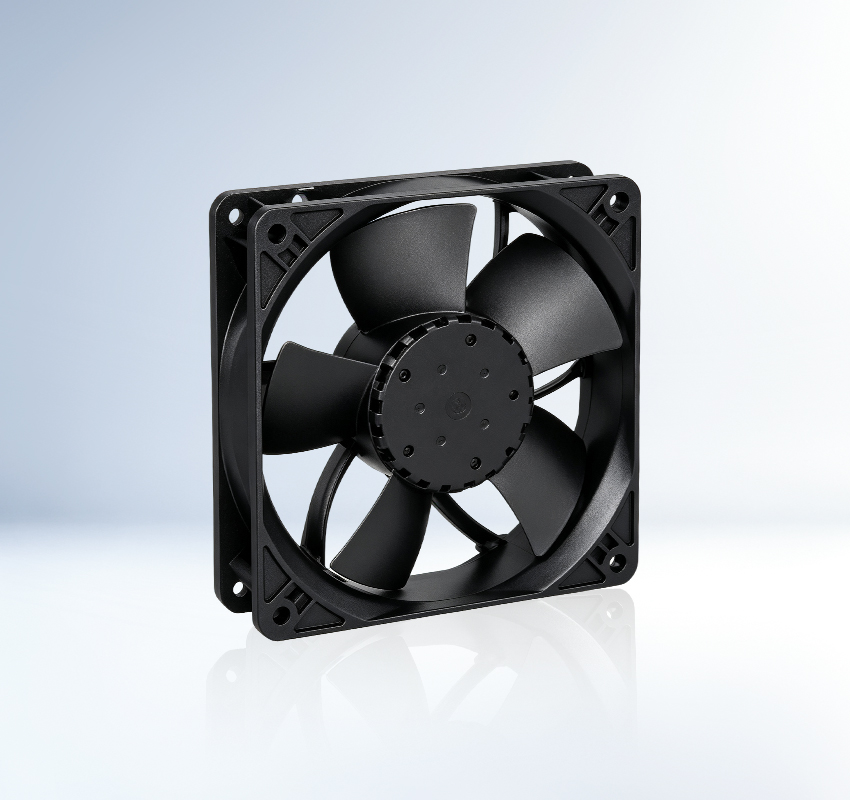
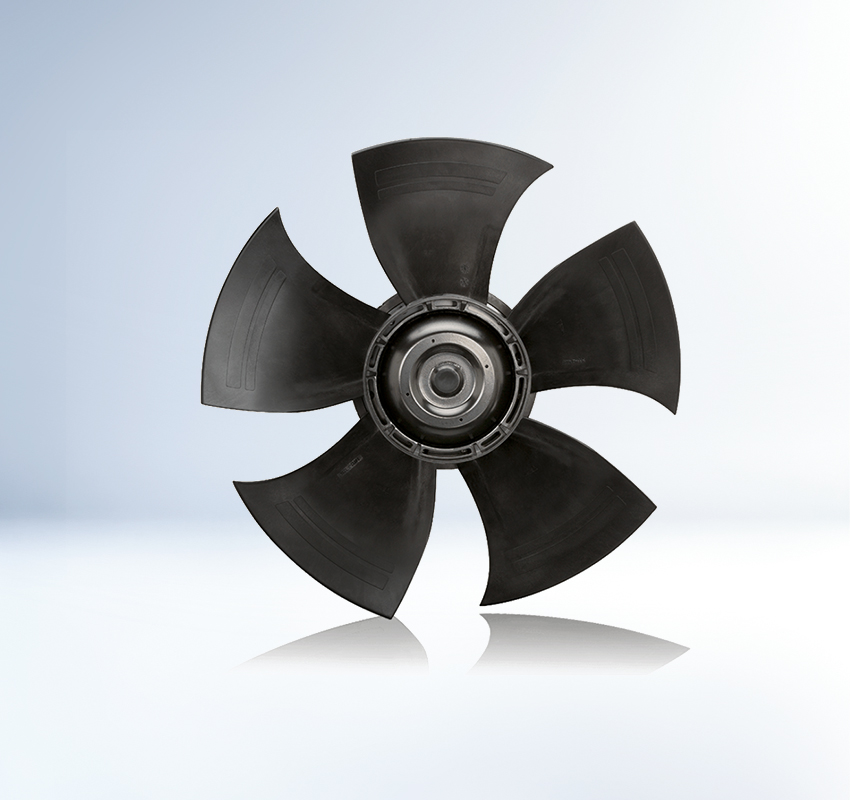
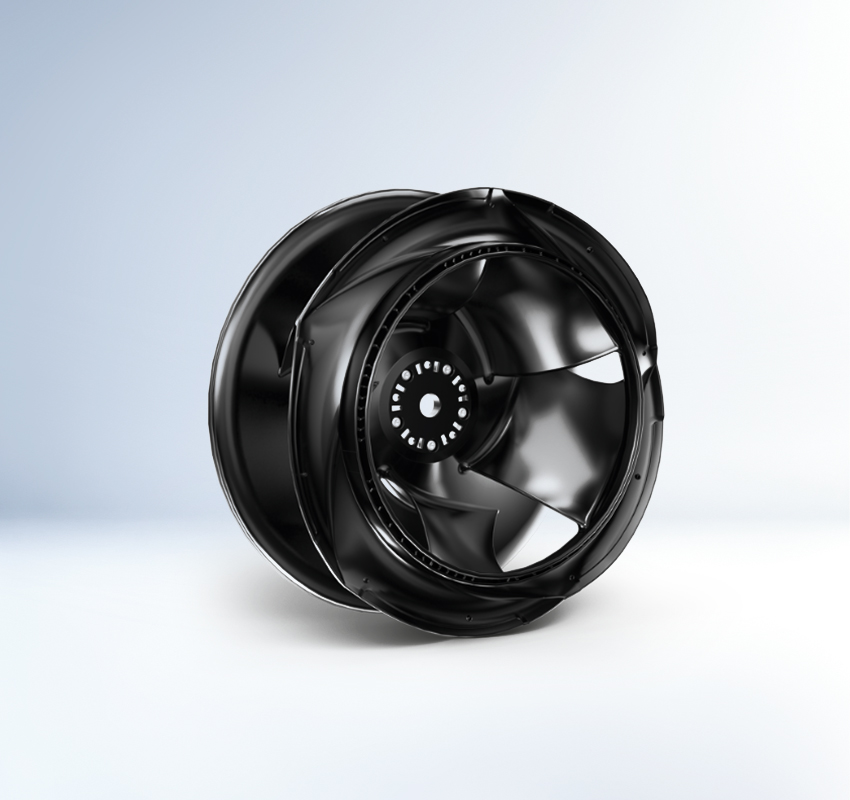
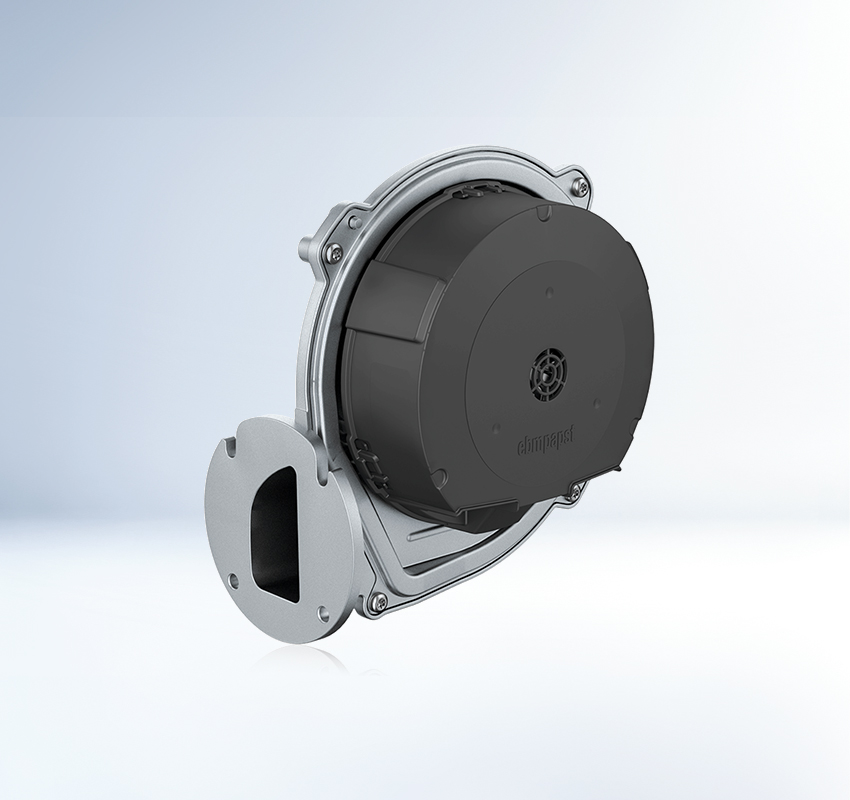
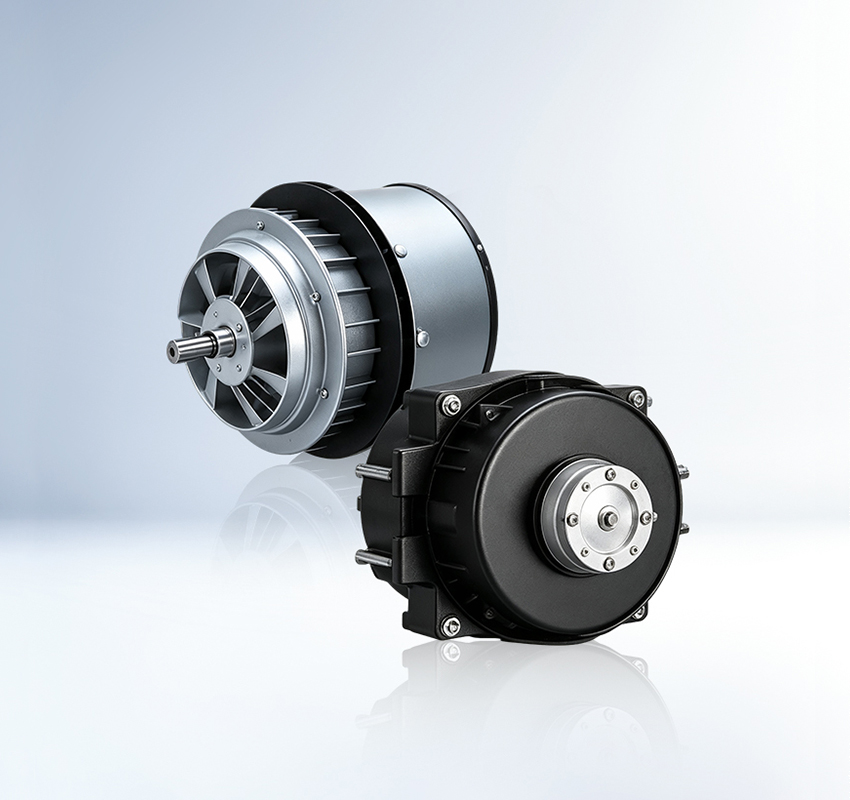
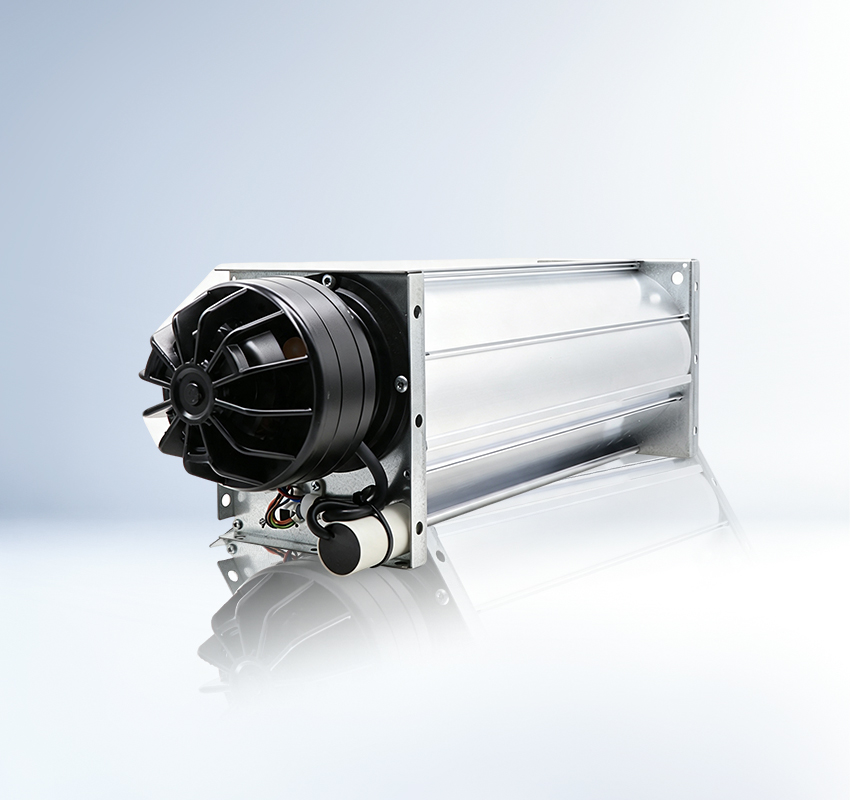
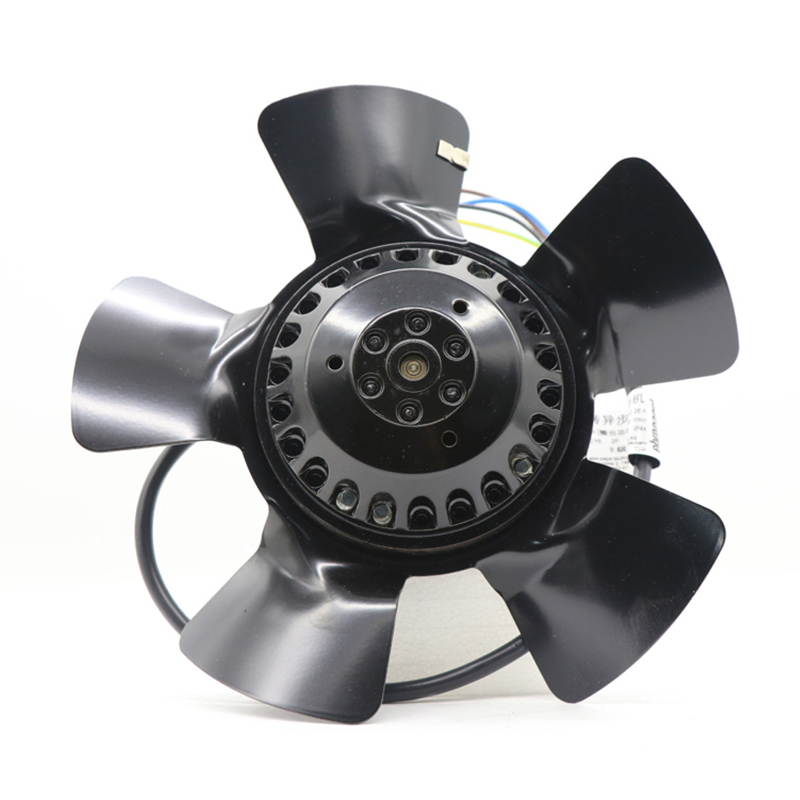
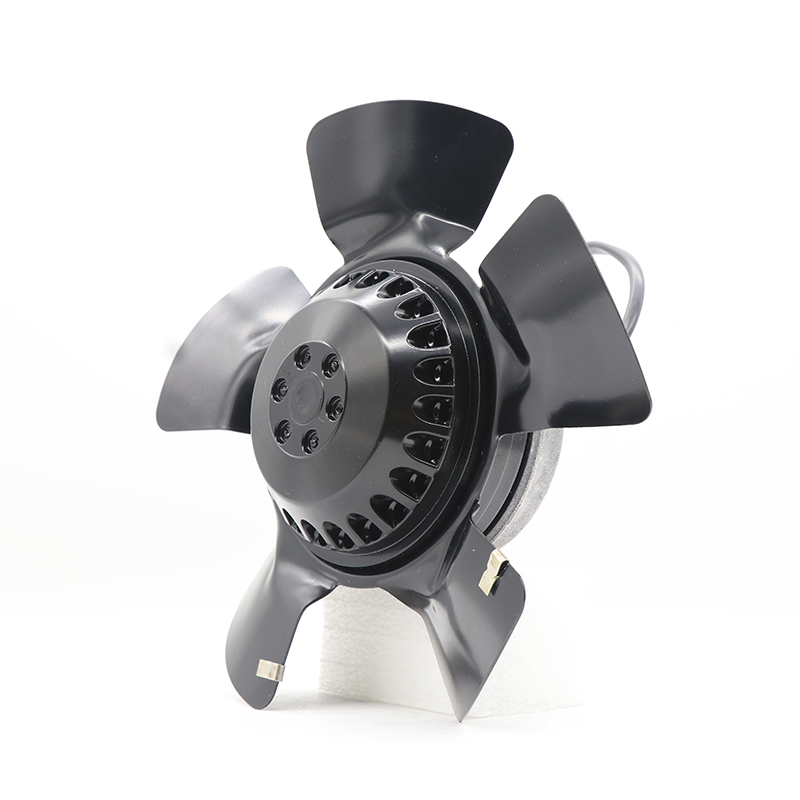
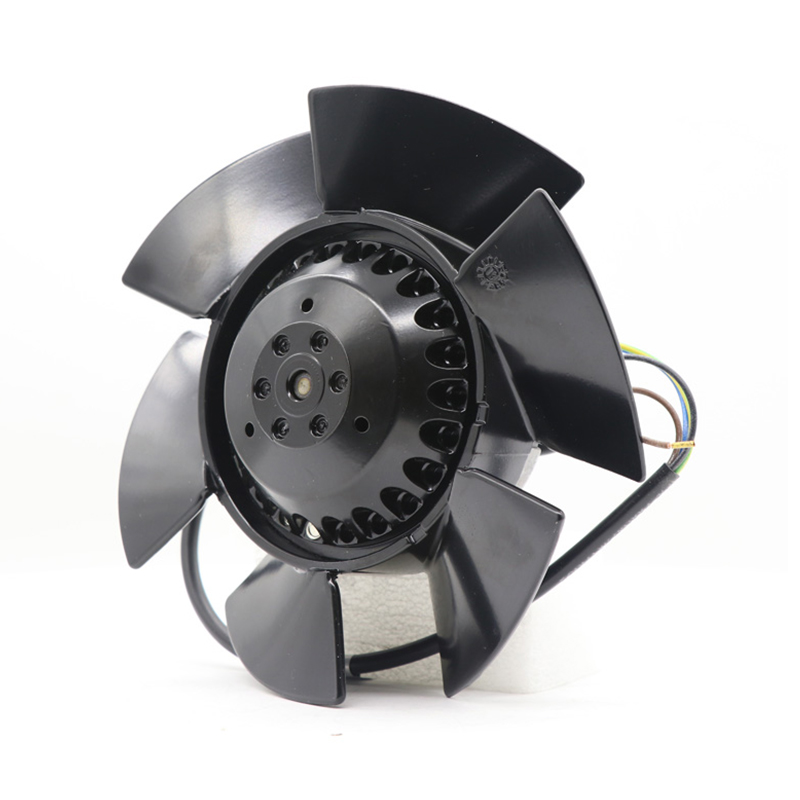
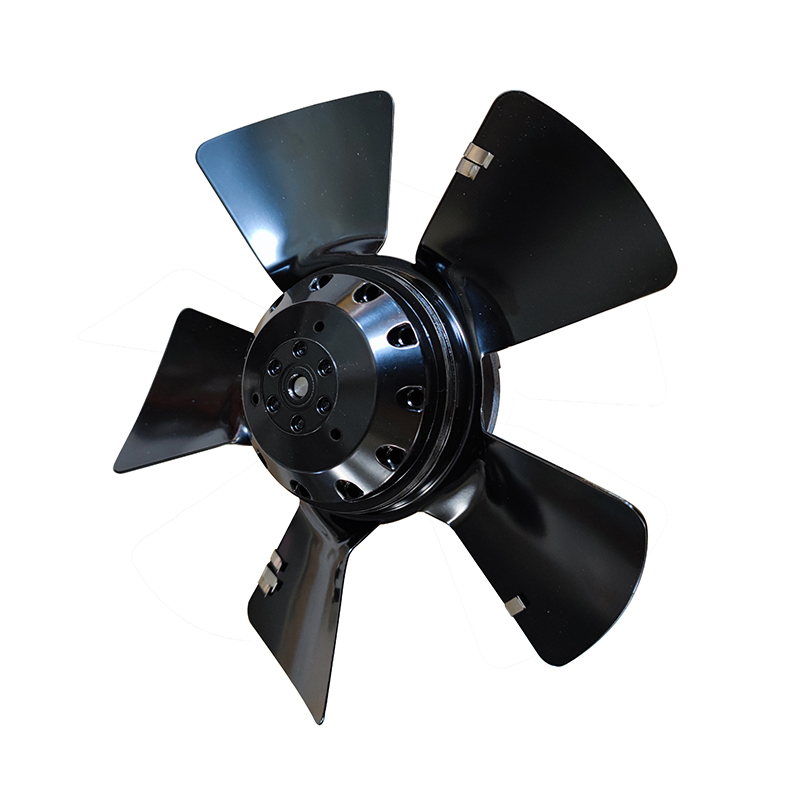
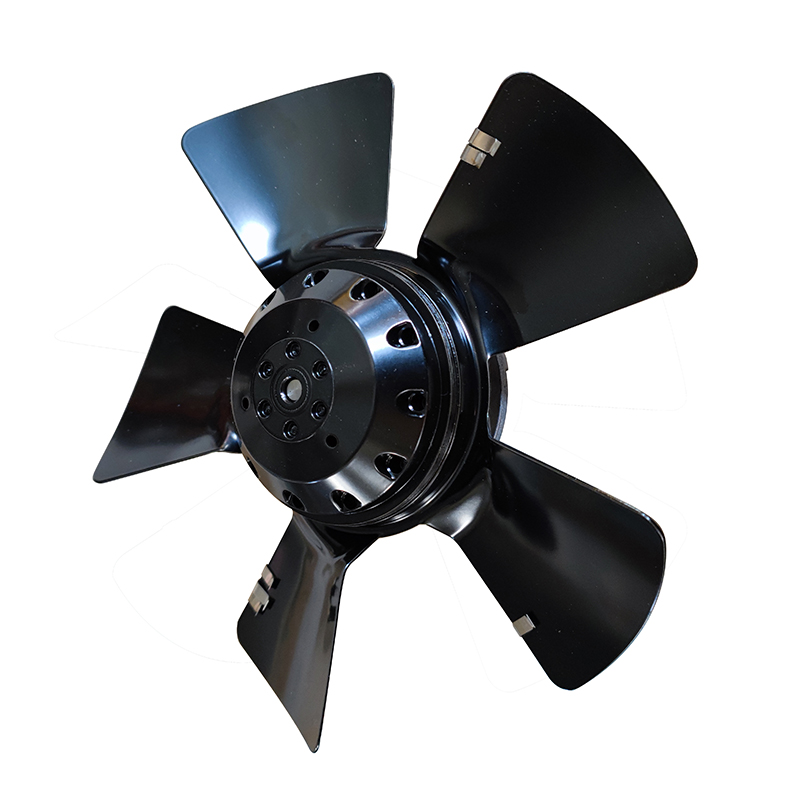
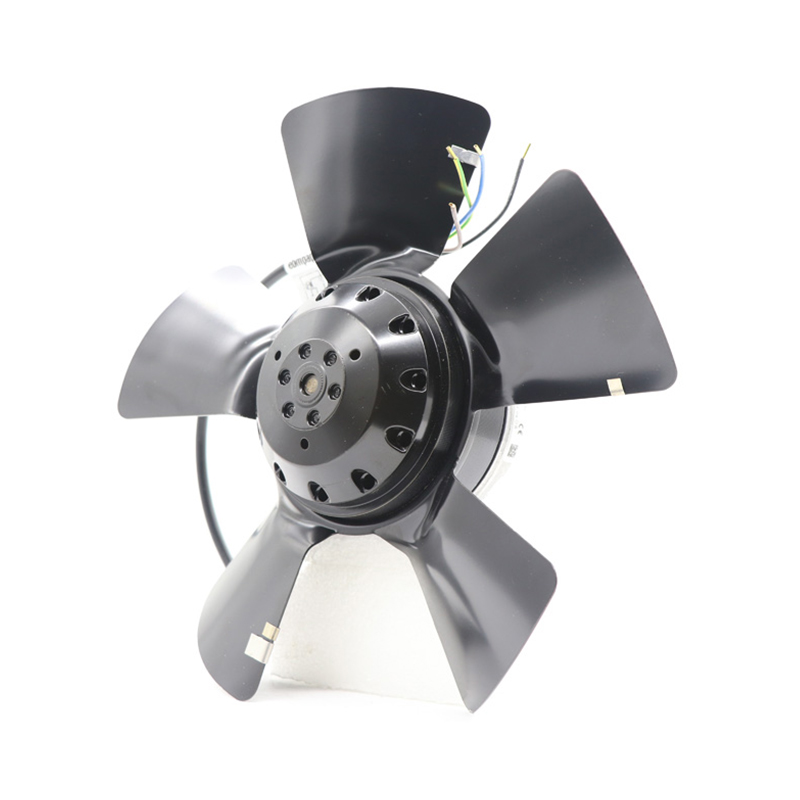
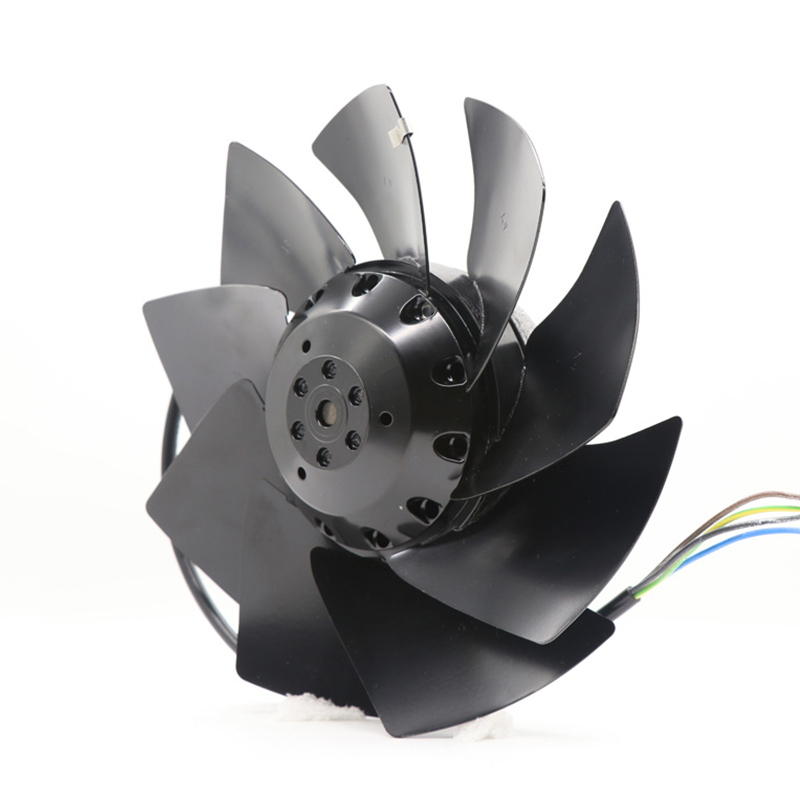
A 230 V AC axial fan for variable-frequency motor cooling, the ebm-papst A2E200-AF02-01 delivers model-specific cooling performance. Its 740 m³/h airflow, 88 Pa pressure, 2740 RPM supports efficient ventilation where reliable airflow and compact integration are important.
| Rated Voltage(V) | 230 |
|---|---|
| Size(mm) | 200 |
| Max.Air Flow(m³/h) | 740 |
| Max.Pressure(Pa) | 88 |
| Input Power(W) | 50 |
| Speed(rpm) | 2740 |
The ebm-papst A2E200-AF02-01 is an AC axial fan for industrial equipment cooling, delivering directed airflow for machinery, motor systems and ventilation assemblies.
Data includes 230 V operation, airflow up to 740 m³/h and pressure up to 88 Pa for matching airflow to system resistance. The datasheet lists ball-bearing support for durable motor support. Installed noise depends on the duty point and airflow path. Correct electrical selection and clear inlet spacing support efficient cooling, reliable operation and long fan life.
Suitable for OEM engineers, manufacturers and maintenance buyers, the A2E200-AF02-01 should be checked for wiring, mounting, duty point and ambient limits before selection.
The ebm-papst A2E200-AF02-01 from the EC Axial series is a direct energy-saving replacement for legacy AC fans including A2D. Key benefits:
A2E EC fans operate at V with W rated power. When replacing AC models, wire the 0-10V control signal alongside the standard three-phase power cable.
How the A2E200-AF02-01 compares to nearby A2E series variants:
| Model | A2E170-AF23-01 | A2E200-AF02-01 | A2E200-AF05-15 | A2E200-AH38-01 |
|---|---|---|---|---|
| Air Flow | — | — | — | — |
| Power | — W | — W | — W | — W |
| Noise | — dB | — dB | — dB | — dB |
| Size | — mm | — mm | — mm | — mm |
All A2E series fans from Hengrui include performance curves, mounting instructions and factory warranty. Contact us for project-specific selection.
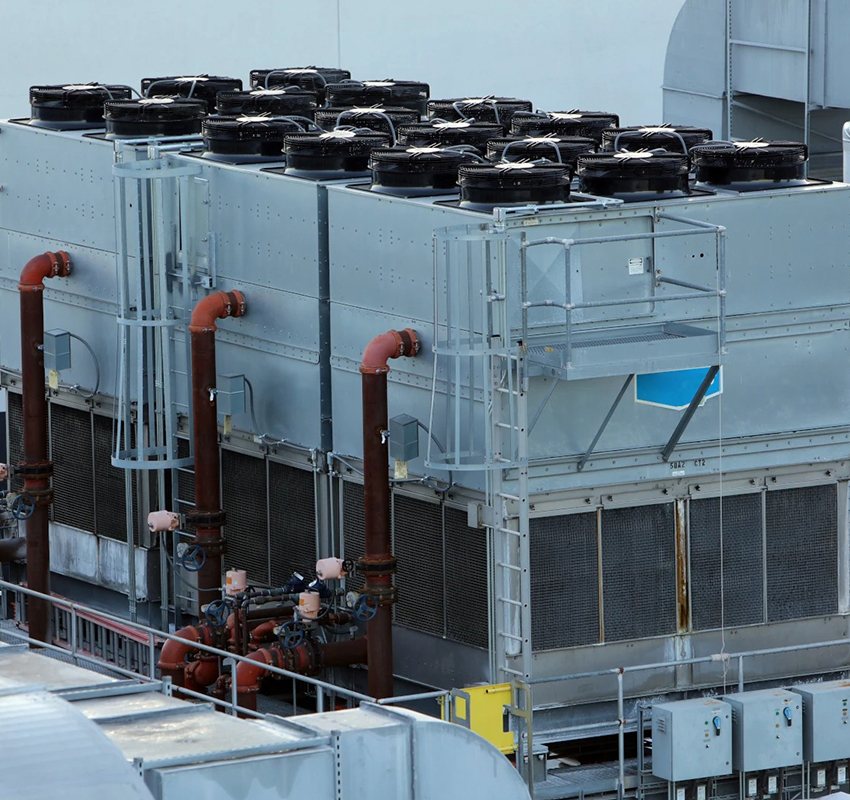
Data Center CRAH/CRAC Units: The A2E200-AF02-01 delivers reliable cooling for Computer Room Air Handling with 24/7 uptime. EC motor enables precise temperature control.
AHU Air Handling: Engineered for integration into Air Handling Units.
Industrial Process Ventilation: Machinery cooling, enclosure ventilation and process air movement. Hengrui provides custom engineering support.
Its documented 740 m³/h airflow and 88 Pa pressure and 2740 RPM supports model-specific selection instead of relying on a generic fan rating.
The product workbook lists RoHS Compliant. Request the exact-model compliance document when formal evidence is required.
It combines 740 m³/h airflow and 88 Pa pressure and 2740 RPM in an AC axial-fan format for targeted equipment cooling.

The ebm-papst A2E200-AF05-15 is a 230 V AC axial fan developed for pitch motor cooling. Its listed performance—660 m³/h airflow, 100 Pa pressure, 3030 RPM—supports stable heat removal and dependable operation when matched to the required duty point.
Read More
The ebm-papst A2E170-AF23-01, a 230 V AC axial fan, is intended for industrial motor cooling. Listed performance includes 2700 RPM, giving designers a clear basis for checking airflow, mounting and electrical compatibility.
Read More
Prepared for HVAC Ventilation, ebm-papst A2E250-AE65-55 is a 230 V AC axial fan, presenting a listed airflow of 1,805 m³/h. This assists electrical and mechanical review. Its documented data supports integration planning.
Read More
Engineered around HVAC Ventilation, the ebm-papst A2E250-AE65-02 is a 230 V AC axial fan, for which the table lists 250 mm dimensions for installation planning. This supports technical purchasing review.
Read More
For industrial motor cooling, the ebm-papst A2E250-AE65-01 provides a 230 V AC axial fan solution. Performance data of 1610 m³/h airflow, 100 Pa pressure, 2550 RPM supports practical selection for continuous ventilation, component cooling and replacement planning.
Read More
The A2E200-AI38-01 from ebm-papst combines 230 V operation with an AC axial fan configuration for industrial motor cooling. Its documented 150 Pa pressure, 2600 RPM helps engineers compare the fan with the system resistance, installation space and cooling demand.
Read More