Get Quote
Home > Products > By type > Centrifugal Fans > R4D330-AA08-12 | ebm-papst 404V 404W Centrifugal Fan for Automation

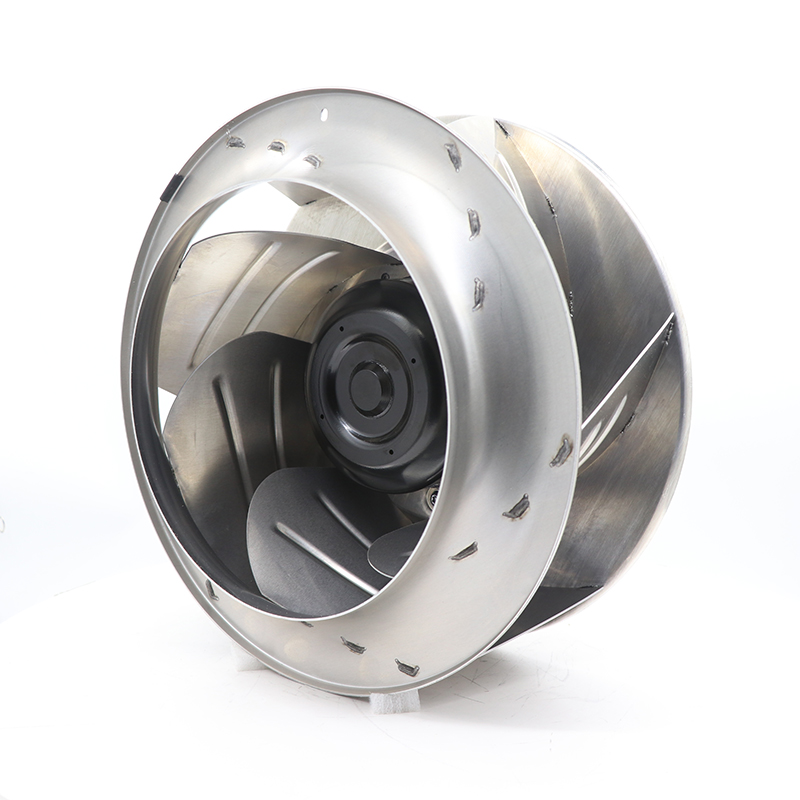
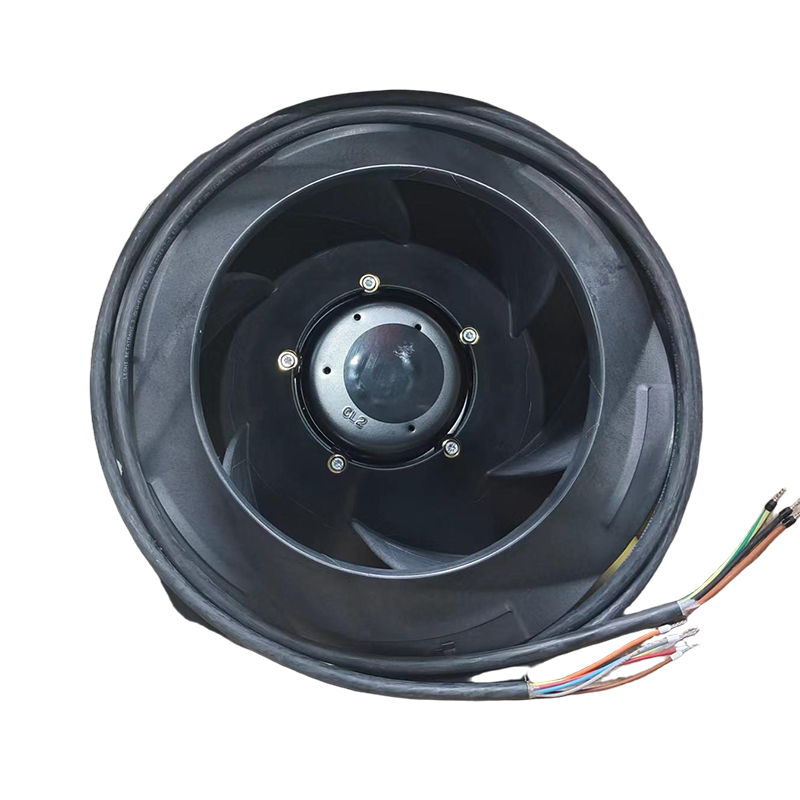
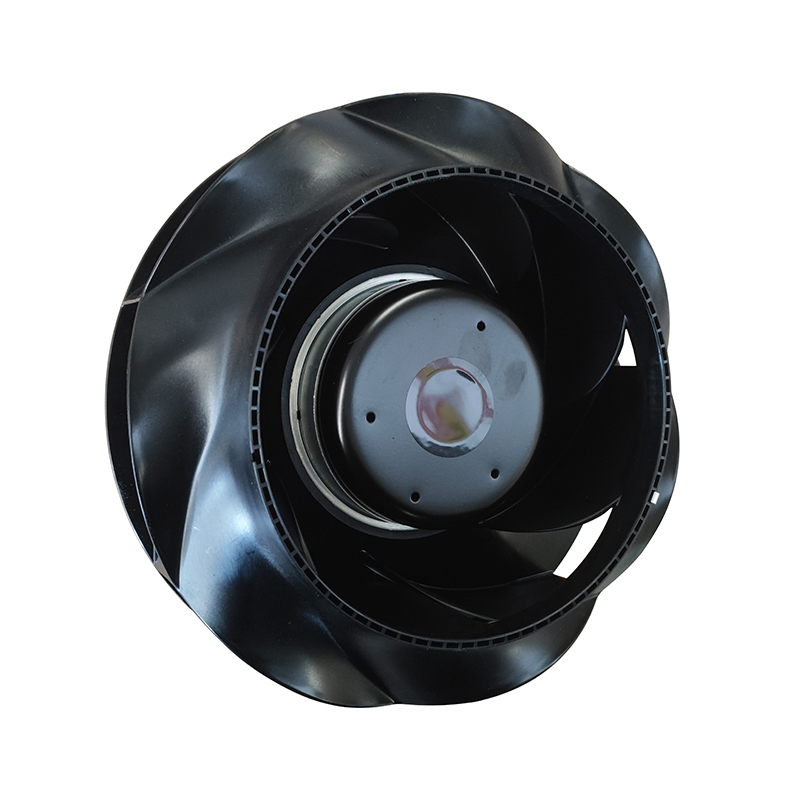
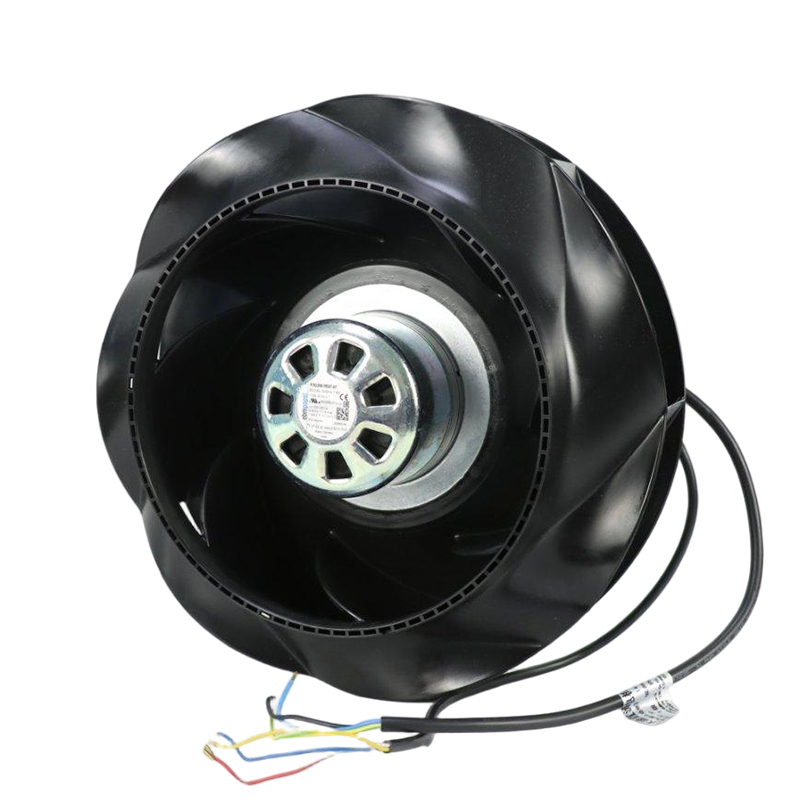
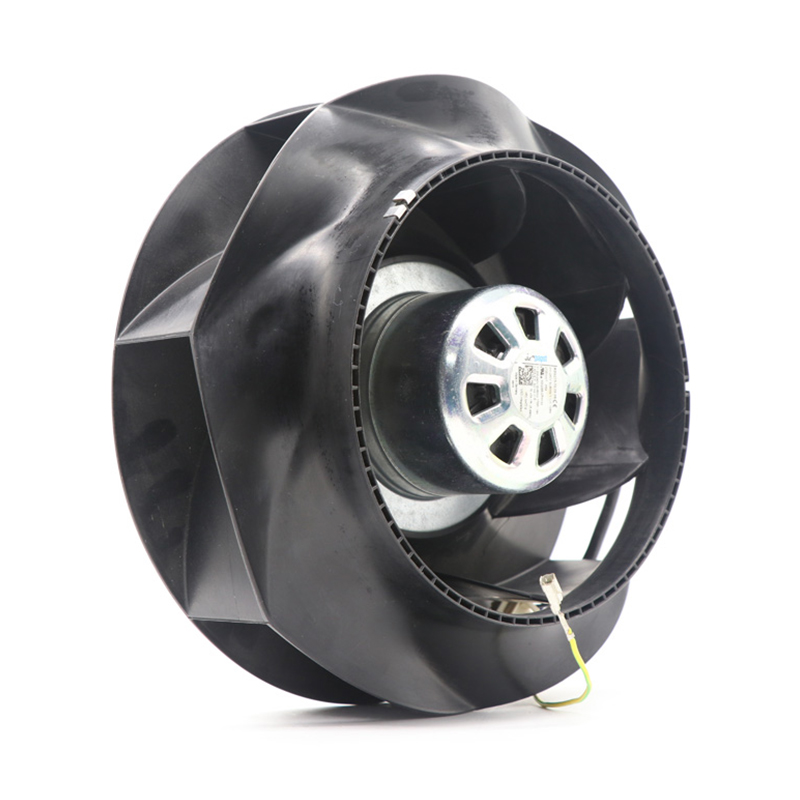
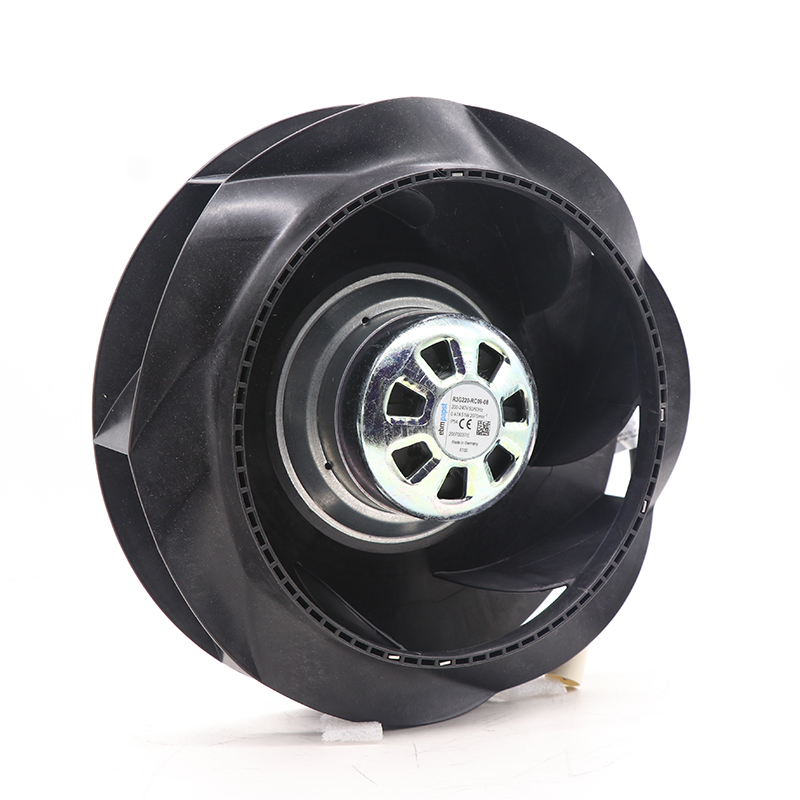
R4D330-AA08-12 ebm-papst Centrifugal Fan

Brand :
ebmpapst
Model:
R4D330-AA08-12 | ebm-papst 404V 404W Centrifugal Fan for Automation
Type:
Centrifugal Fans
Industry:
Automation
Description:

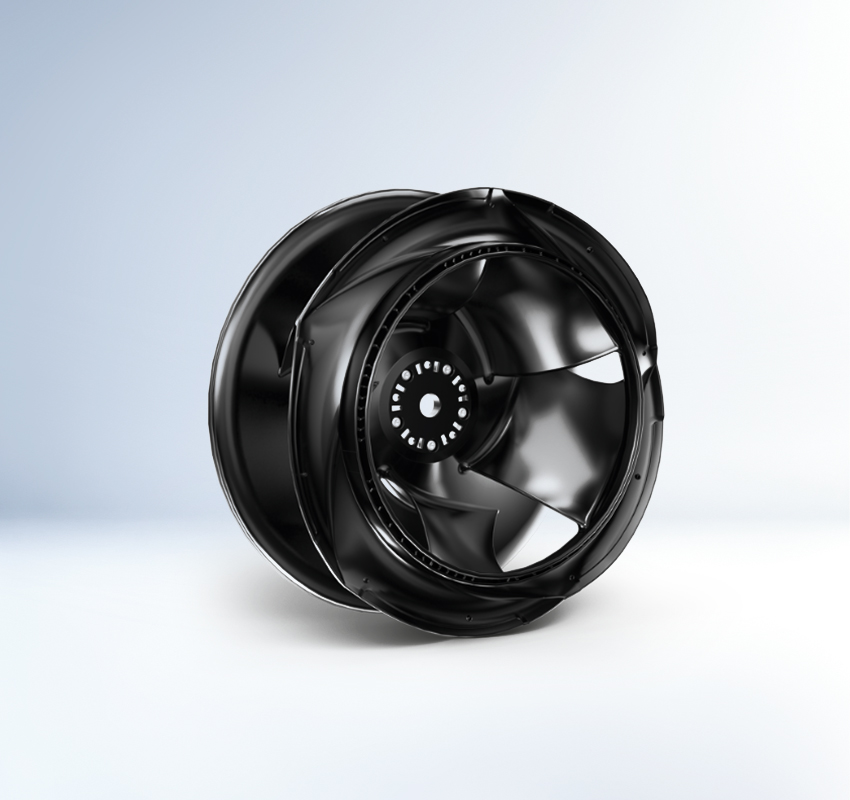
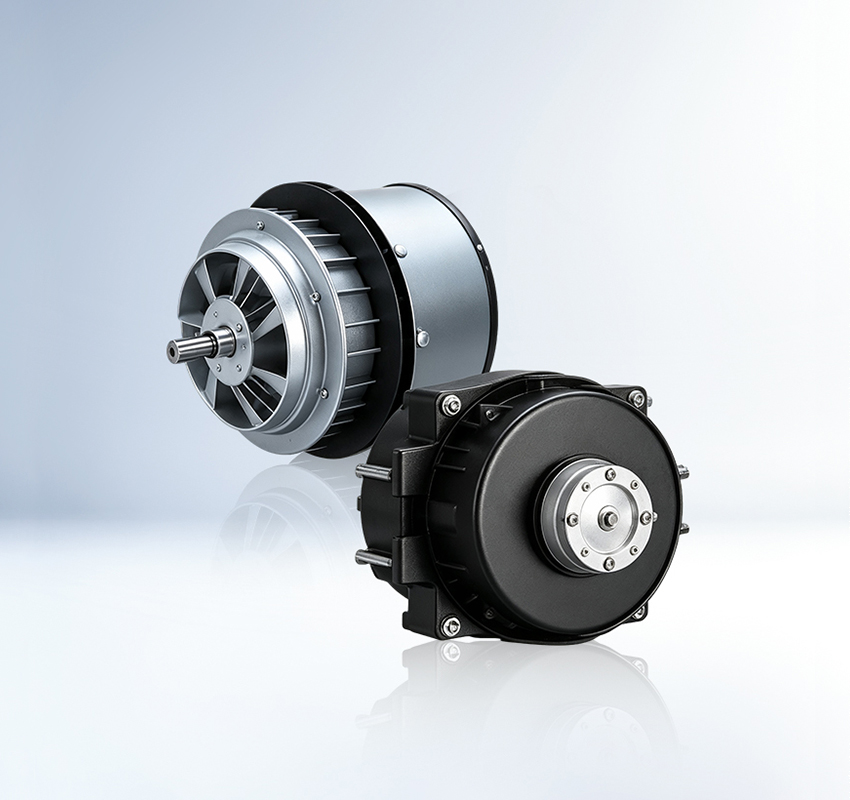
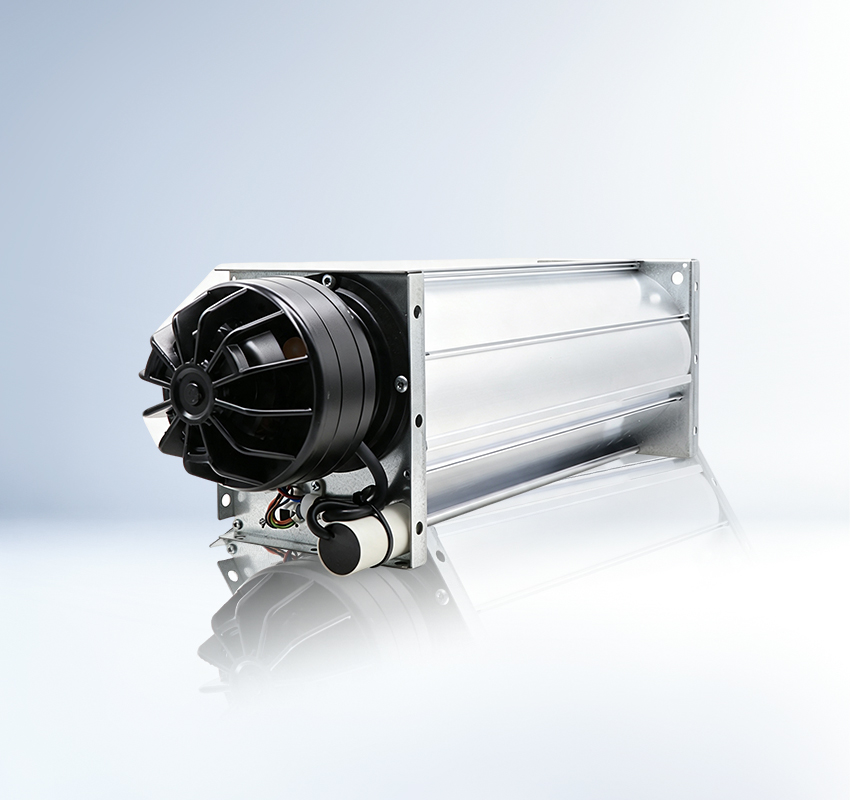
Used in Automation, the ebm-papst R4D330-AA08-12 is a 404 V AC backward-curved centrifugal fan, characterized by a listed acoustic value of 404 dB. This helps guide installation planning.

Product Features

Rated Voltage(V)404
Size(mm)330
Max.Air Flow(m³/h)404
Max.Pressure(Pa)404
Input Power(W)404
Speed(rpm)404
Noise(db)404

Product Features

Reliable AC Cooling

Designed for Automation, the ebm-papst R4D330-AA08-12 AC centrifugal fan provides a defined platform for controlled heat removal and airflow management. It suits OEM equipment and service replacement when checked against the exact drawing and operating curve.

Documented selection points include 404 V supply, 404 W input, 330 mm size, up to 404 m3/h airflow. These values support electrical, envelope and duty-point comparison.

For procurement, verify voltage, duty point, dimensions, connector and mounting. Correct sizing and clear airflow paths support stable operation, controlled noise and long service life. Confirm speed control, IP protection and approvals in the exact-model datasheet. This approach helps OEMs reduce integration risk and plan dependable thermal performance.

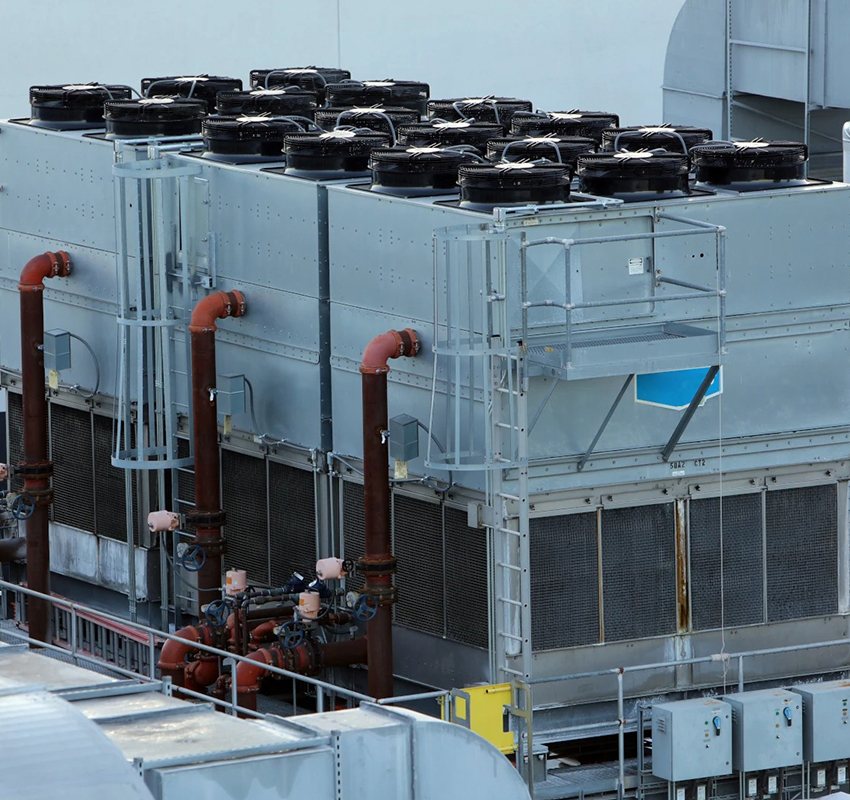
Application Industry

Frequently Asked Questions

Is the R4D330-AA08-12 suitable for high-reliability cooling?

It can be evaluated for demanding service using the documented ratings, installation limits and preventive-maintenance plan for the application.

What installation checks apply to the R4D330-AA08-12?

Verify mounting orientation, inlet and outlet clearance, fastener security, electrical connections and the exact dimensional drawing before startup.

Can the R4D330-AA08-12 help control total ownership cost?

Correct sizing and operation within documented limits can reduce avoidable thermal stress and maintenance events; project savings require duty-cycle analysis.

Message Form