Get Quote
Home > Products > By type > Axial Fans > S4D300-AR36-48 | ebm-papst 400V 60W AC Axial Fan for Refrigeration Cooling

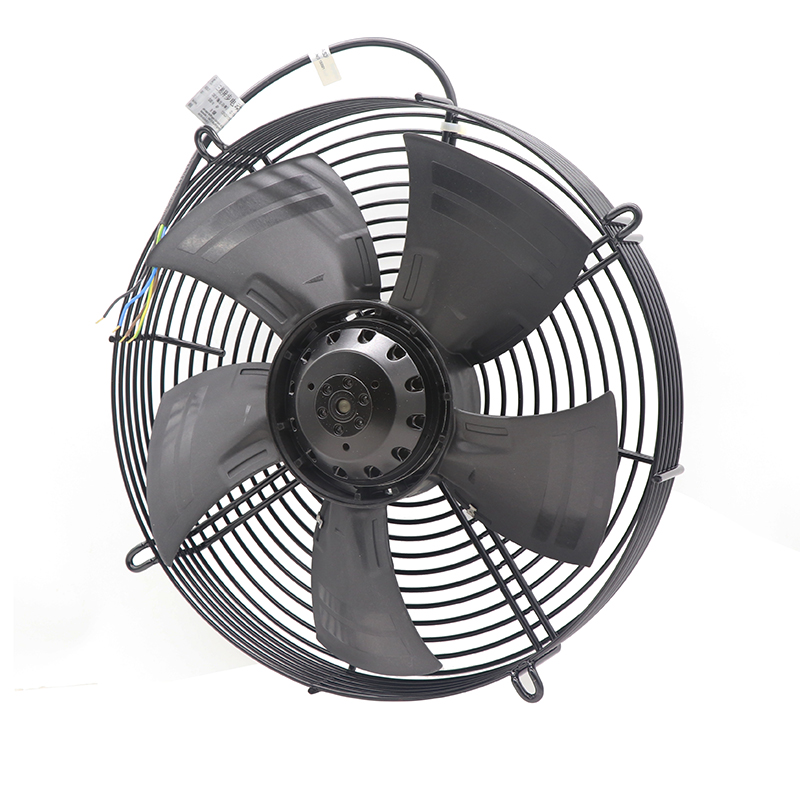
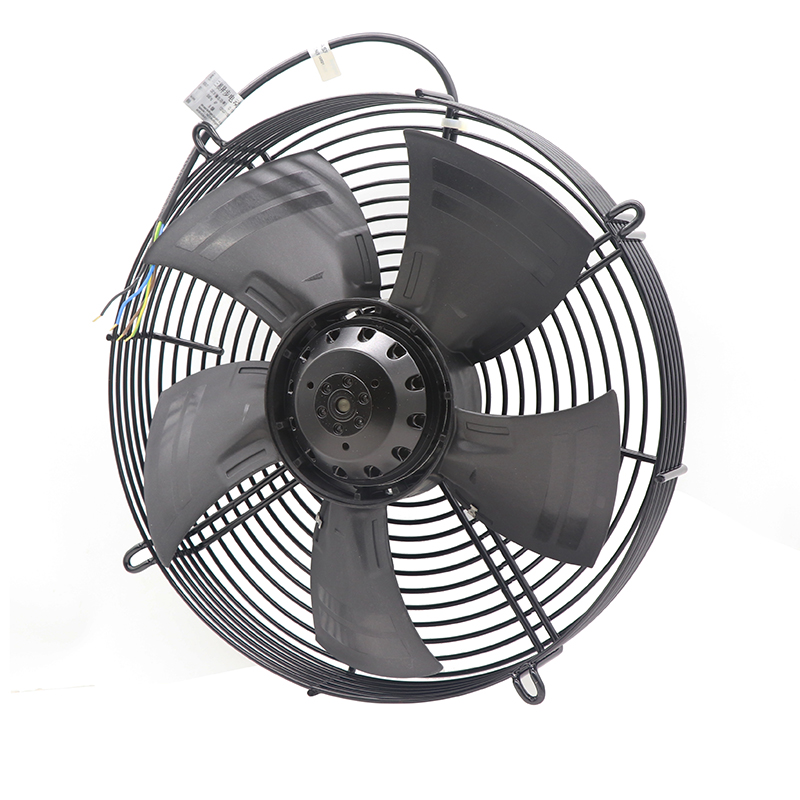
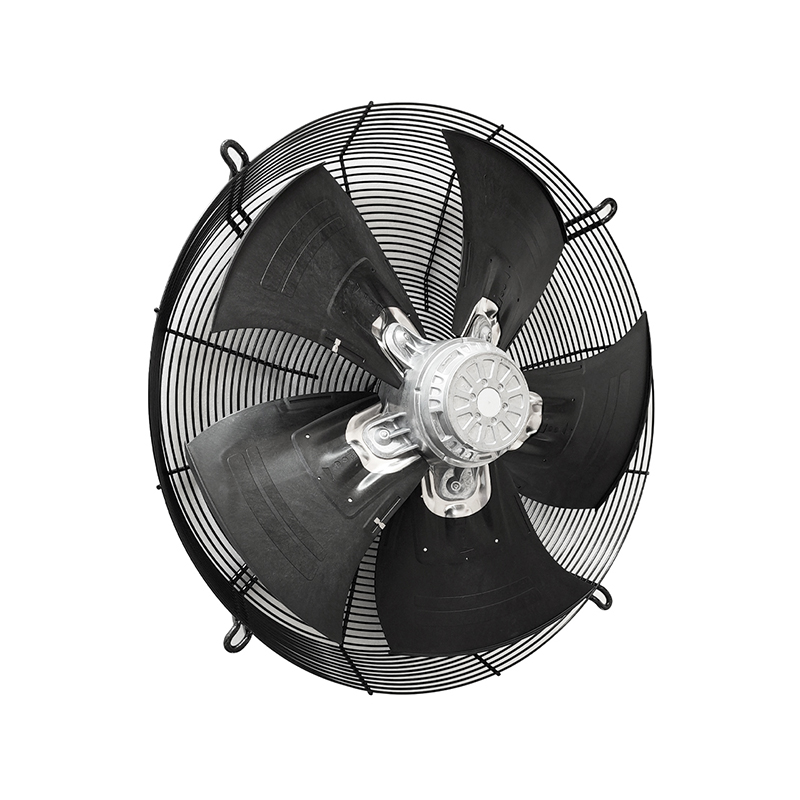
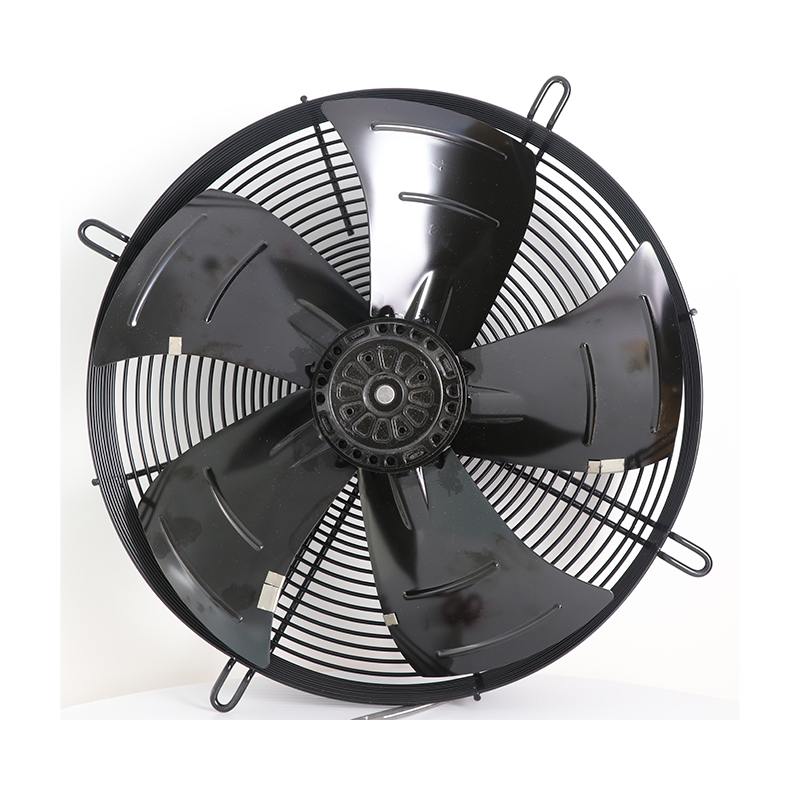
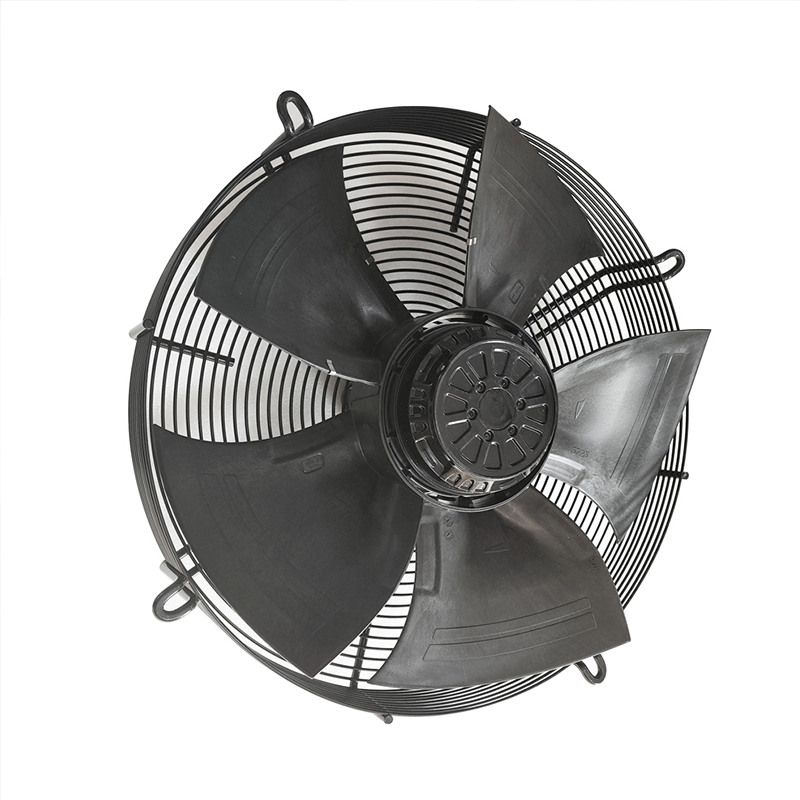
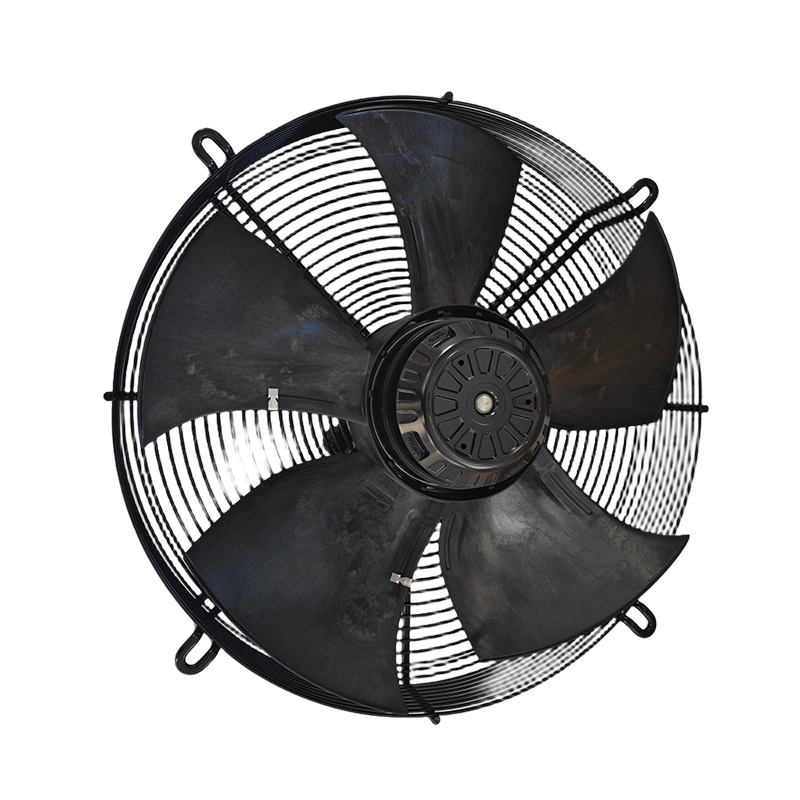
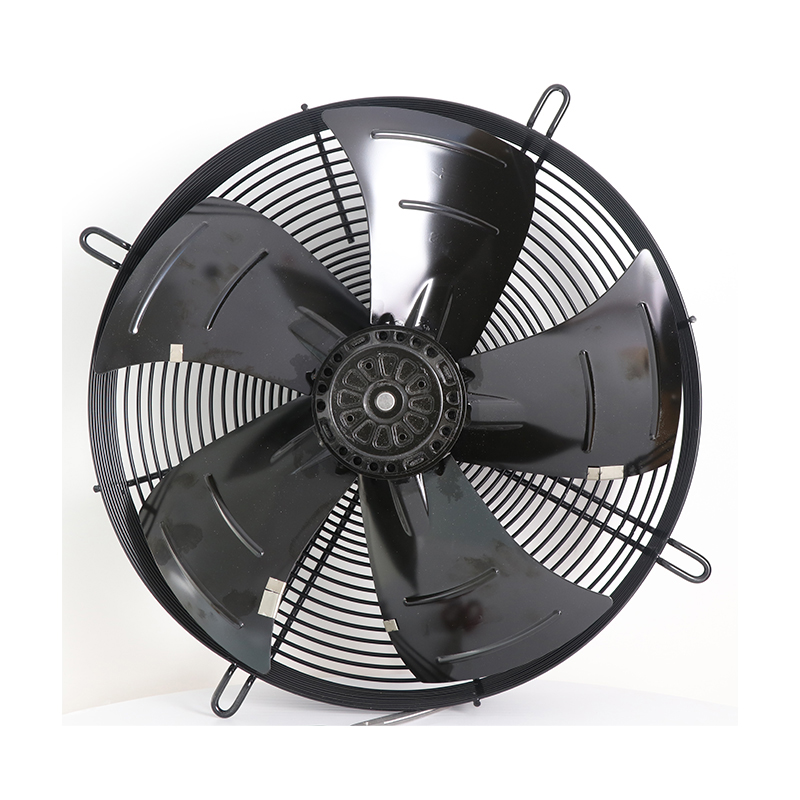
S4D300-AR36-48 ebm-papst Axial Fan

Brand :
ebmpapst
Model:
S4D300-AR36-48 | ebm-papst 400V 60W AC Axial Fan for Refrigeration Cooling
Type:
Axial Fans
Industry:
Refrigeration Equipment
Description:

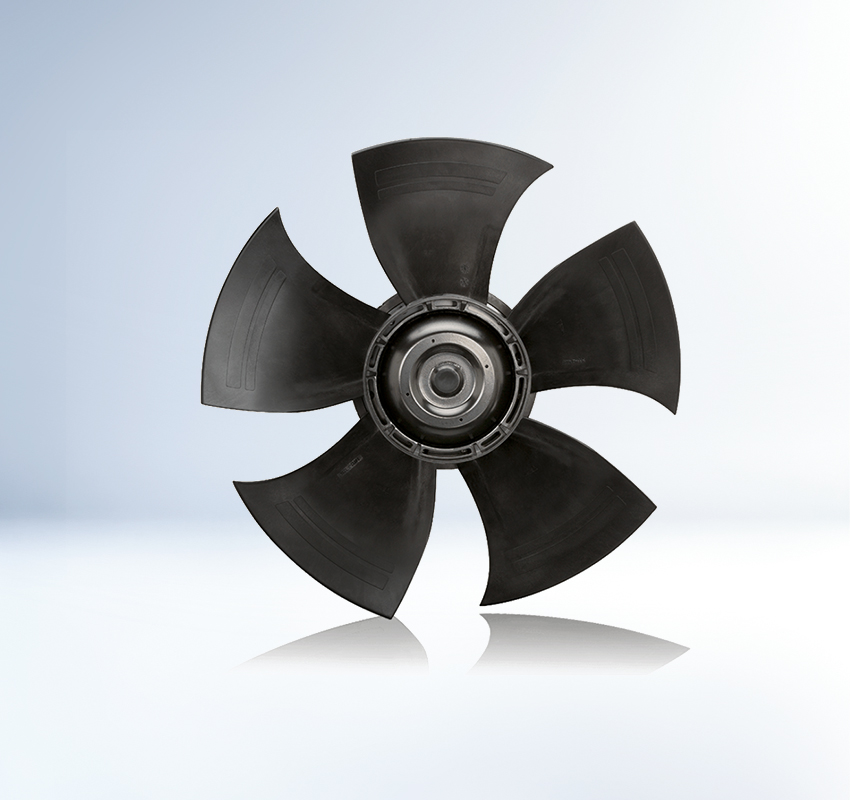
Suited to Refrigeration Cooling, ebm-papst S4D300-AR36-48 is a 400 V AC axial fan, featuring a documented 60 W input rating. It supports replacement and design review. Its documented data supports integration planning.

Datasheet:
S4D300-AR36-48 | ebm-papst 400V 60W AC Axial Fan for Refrigeration Cooling Datasheet (Pdf)

Product Features

Rated Voltage(V)400
Size(mm)300
Max.Air Flow(m³/h)1895
Max.Pressure(Pa)45
Input Power(W)60
Speed(rpm)1380

Product Features

Reliable Blower

The ebm-papst S4D300-AR36-48 is an AC axial fan for refrigeration cooling, providing directed airflow in enclosures and cooling assemblies.

Data includes 400 V operation, airflow up to 1895 m³/h and pressure up to 45 Pa for matching airflow to system resistance. The datasheet lists ball-bearing support, IP44 protection for durable motor support. Installed noise depends on the duty point and airflow path. Correct electrical selection and clear inlet spacing support efficient cooling, reliable operation and long fan life.

Suitable for OEM engineers, manufacturers and maintenance buyers, the S4D300-AR36-48 should be checked for wiring, mounting, duty point and ambient limits before selection.

Application Industry

Frequently Asked Questions

What should be inspected if airflow drops on the S4D300-AR36-48?

Check for blocked airflow paths, incorrect supply, loose wiring, abnormal rotation or system resistance before consulting the exact service documentation.

How should the S4D300-AR36-48 be checked for compatibility?

Compare 300 mm, 400 V, 60 W plus mounting, connector and duty-point requirements.

How should buyers select the S4D300-AR36-48 for an operating point?

Match required airflow and pressure on the exact performance curve, then verify voltage, power, dimensions and environmental limits.

Message Form