Get Quote
Home > Products > By type > Axial Fans > W1G180-AB31-01 | ebm-papst 24V 93W EC Axial Fan for Industrial Equipment Cooling

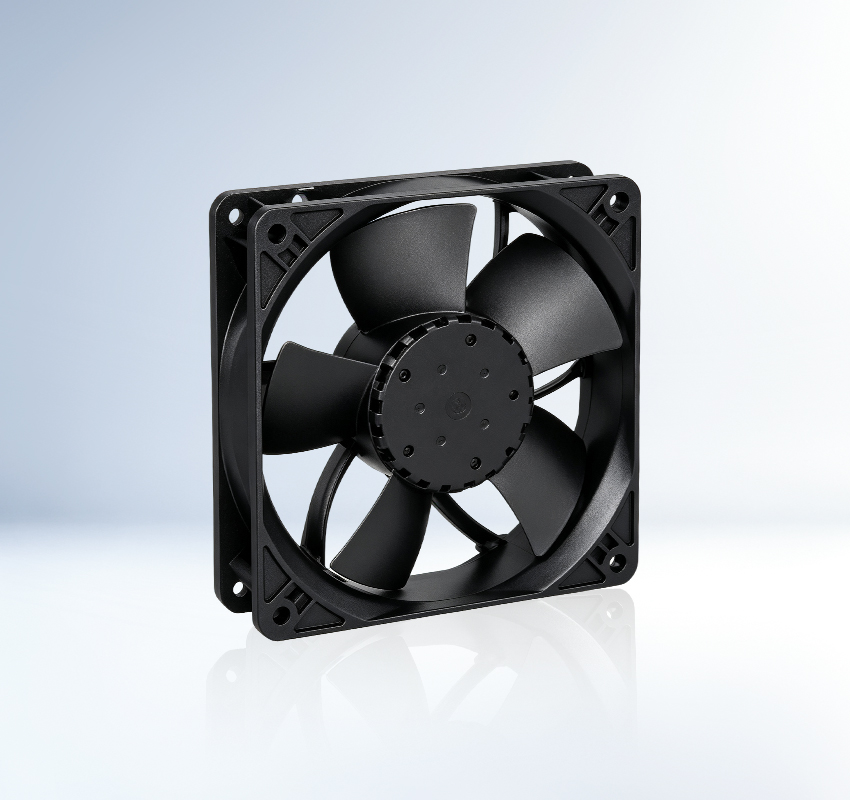
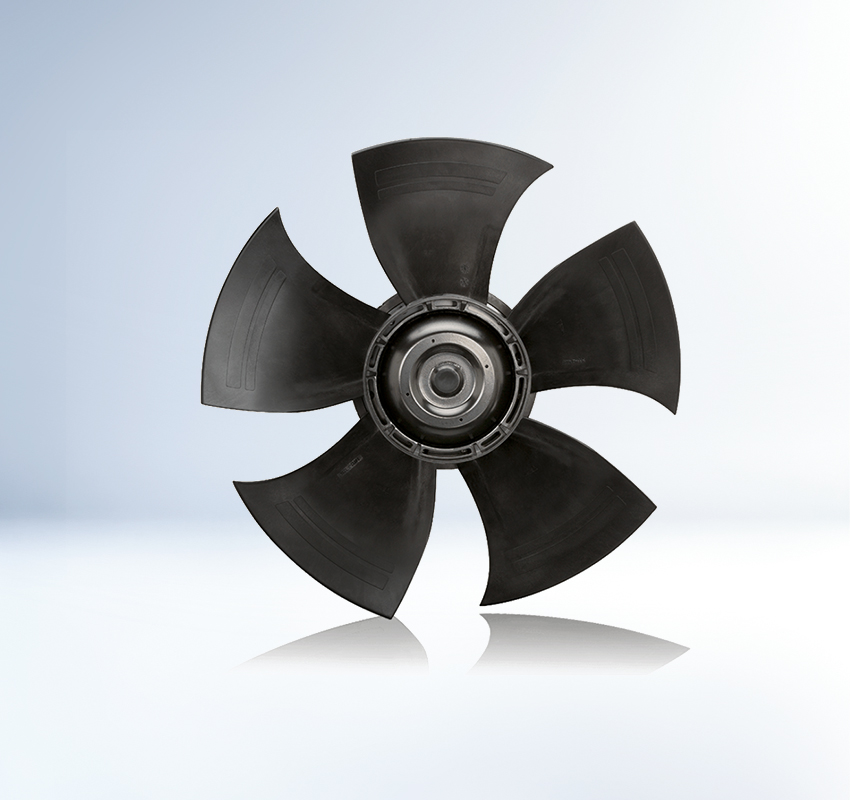
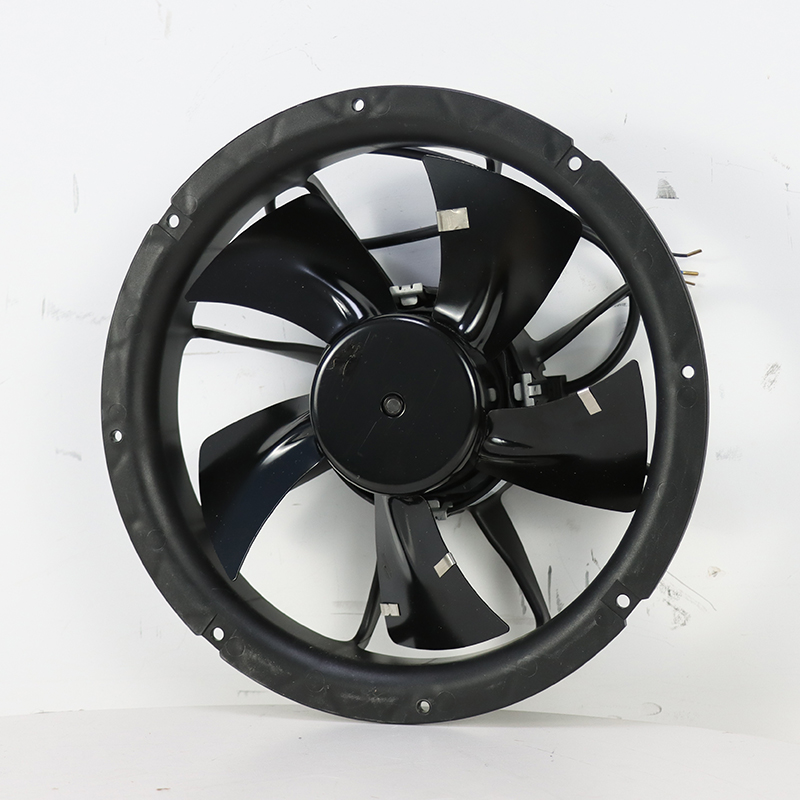
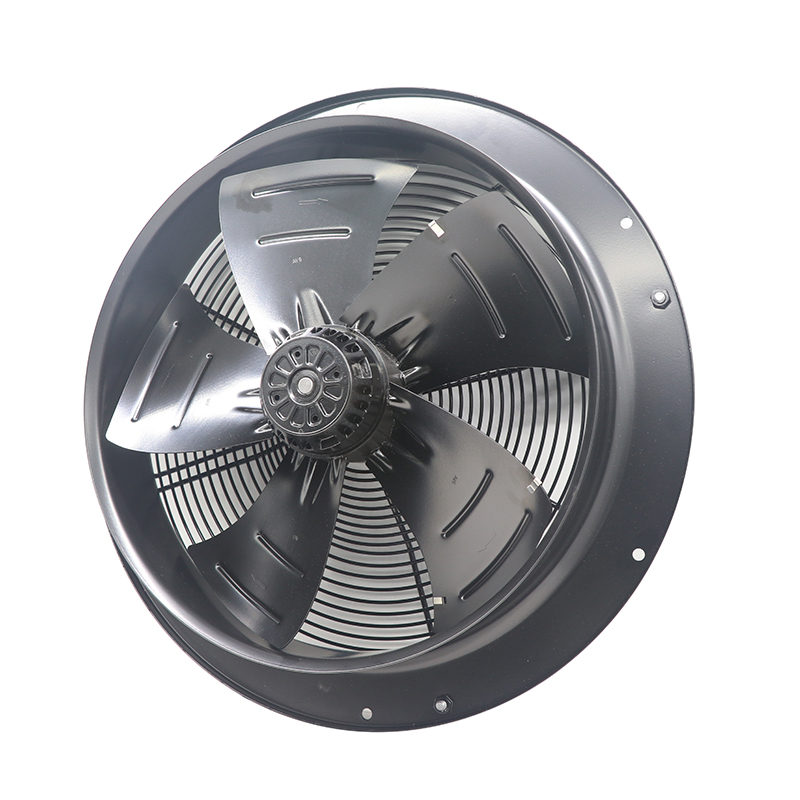
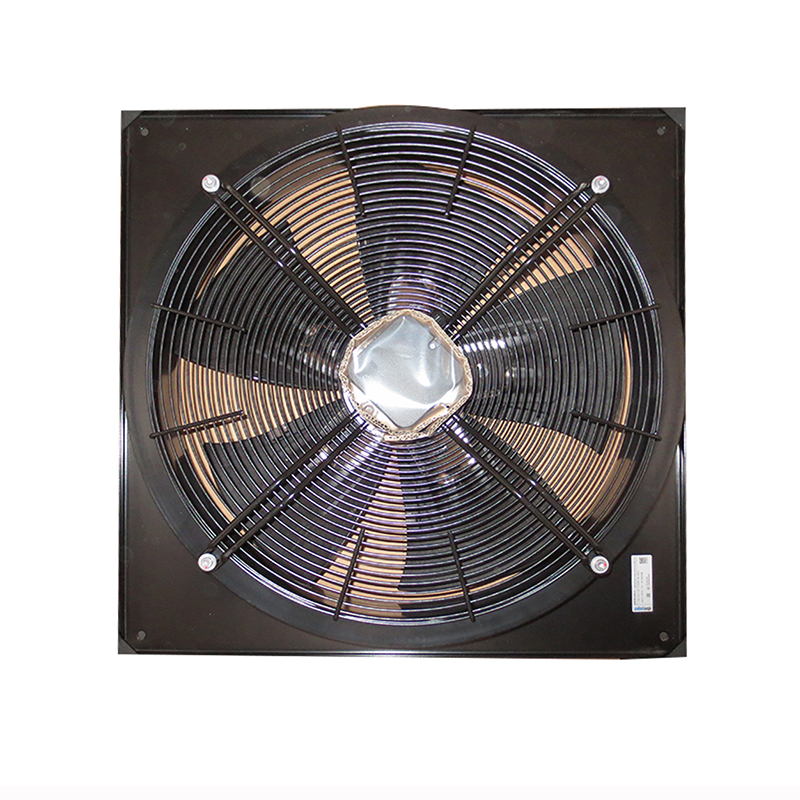
W1G180-AB31-01 ebm-papst Axial Fan

Brand :
ebmpapst
Model:
W1G180-AB31-01 | ebm-papst 24V 93W EC Axial Fan for Industrial Equipment Cooling
Type:
Axial Fans
Industry:
Automation
Description:

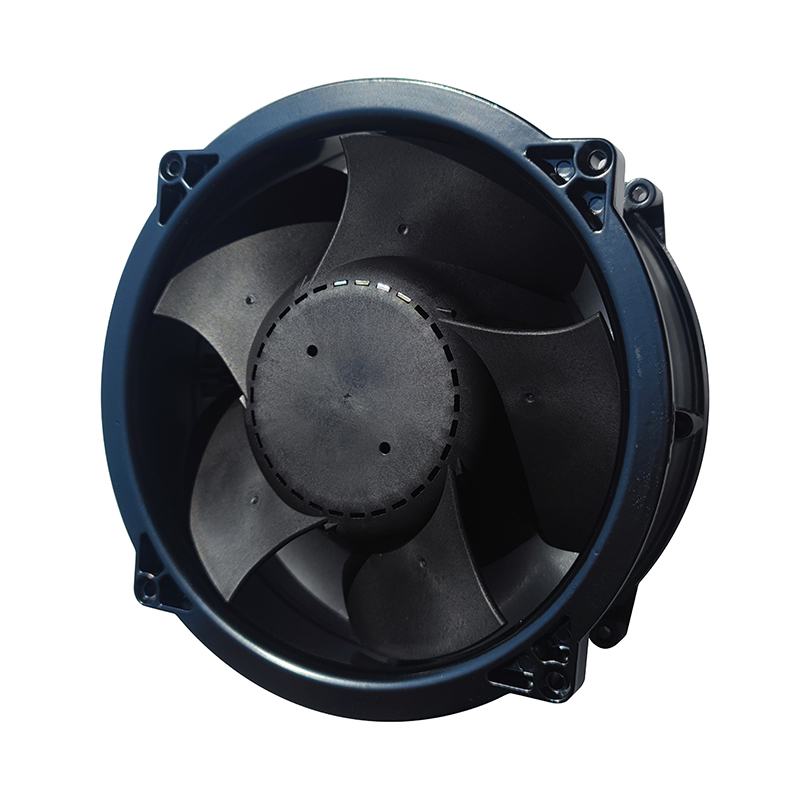
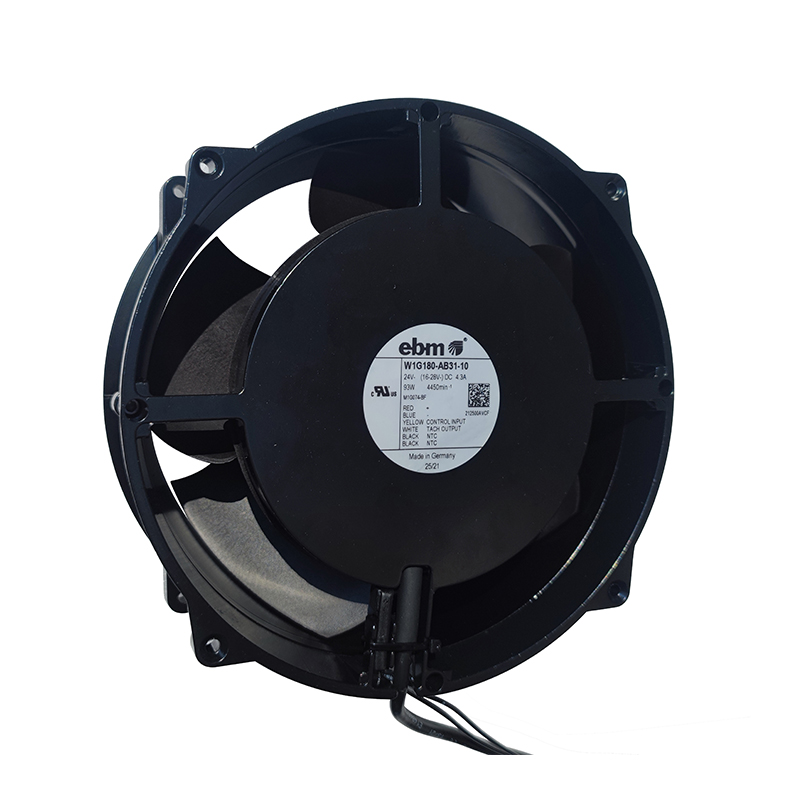
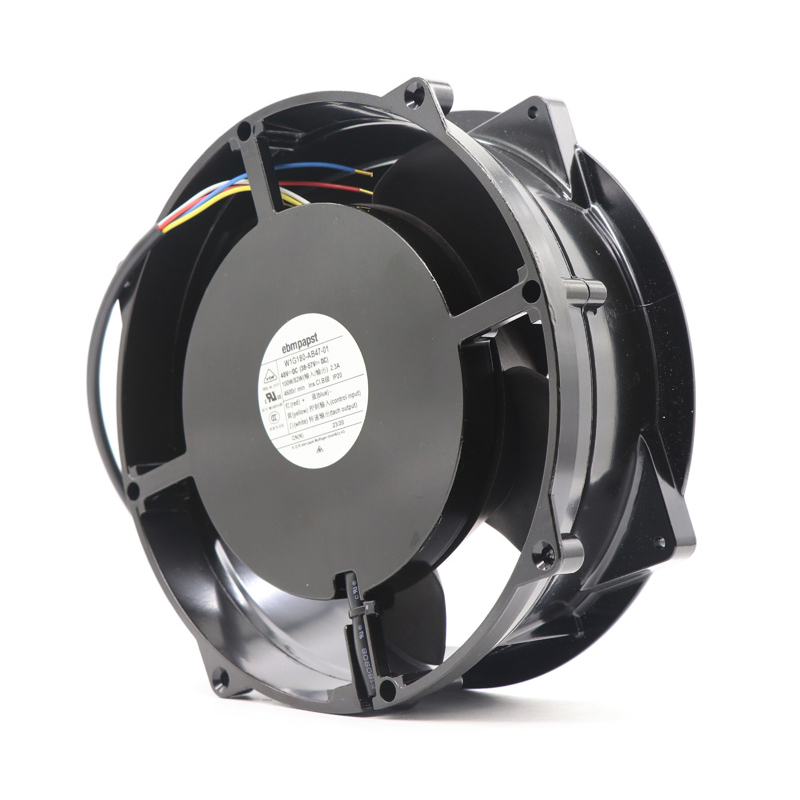
Assigned to Industrial Equipment Cooling, ebm-papst W1G180-AB31-01 is a 24 V EC axial fan, with a focus on a documented speed of 4,550 rpm. It supports an evidence-based shortlist.

Product Features

Rated Voltage(V)24
Size(mm)180
Max.Air Flow(m³/h)995
Max.Pressure(Pa)305
Input Power(W)93
Speed(rpm)4550

Product Features

High Static Airflow

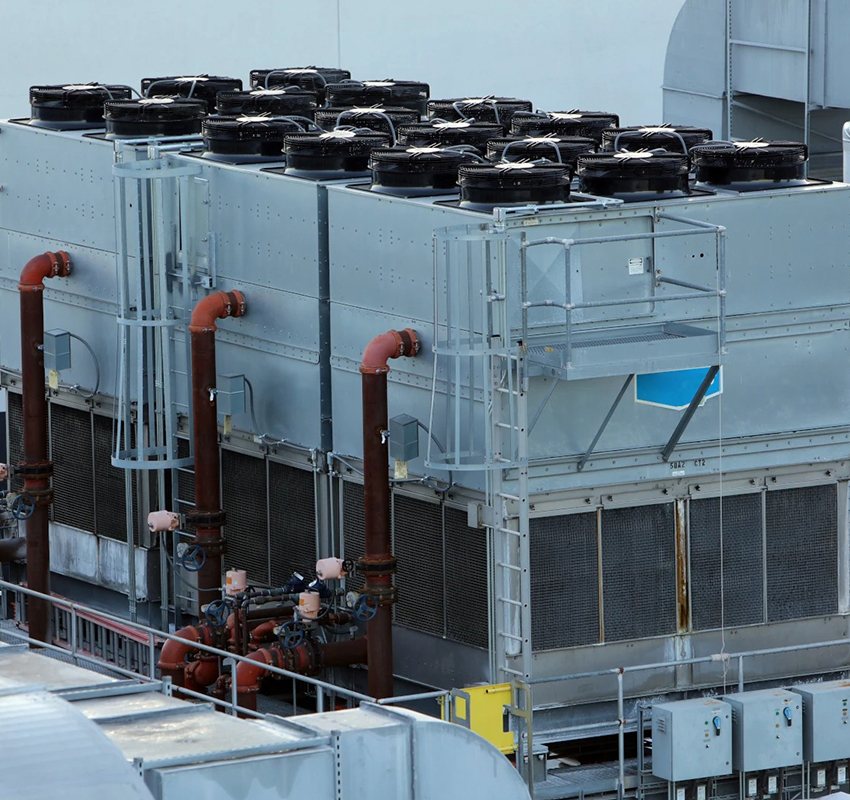
The ebm-papst W1G180-AB31-01 is an EC axial fan for cabinet cooling, enclosure cooling, creating a practical airflow route across heat-producing assemblies.

Data includes 24 V operation, airflow up to 995 m³/h and pressure up to 305 Pa so designers can evaluate the required duty point against installation losses. The datasheet lists ball-bearing support, engineered-plastic impeller, PWM/0-10 V speed control for durable motor support. Installed noise depends on the duty point and airflow path. Verified connections and adequate inlet space help control turbulence while supporting reliable thermal management.

The documented profile supports disciplined comparison during OEM development without relying on generic assumptions.

Application Industry

Frequently Asked Questions

Which equipment can use the W1G180-AB31-01?

It is listed for Industrial Equipment Cooling. Confirm voltage, duty point, dimensions and mounting against the equipment requirements before selection.

What distinguishes the W1G180-AB31-01 from a general-purpose fan?

Its EC axial fan configuration and a documented speed of 4,550 rpm provide model-specific criteria for matching Industrial Equipment Cooling systems.

Can the W1G180-AB31-01 help control total ownership cost?

Correct sizing and operation within documented limits can reduce avoidable thermal stress and maintenance events; project savings require duty-cycle analysis.

Message Form