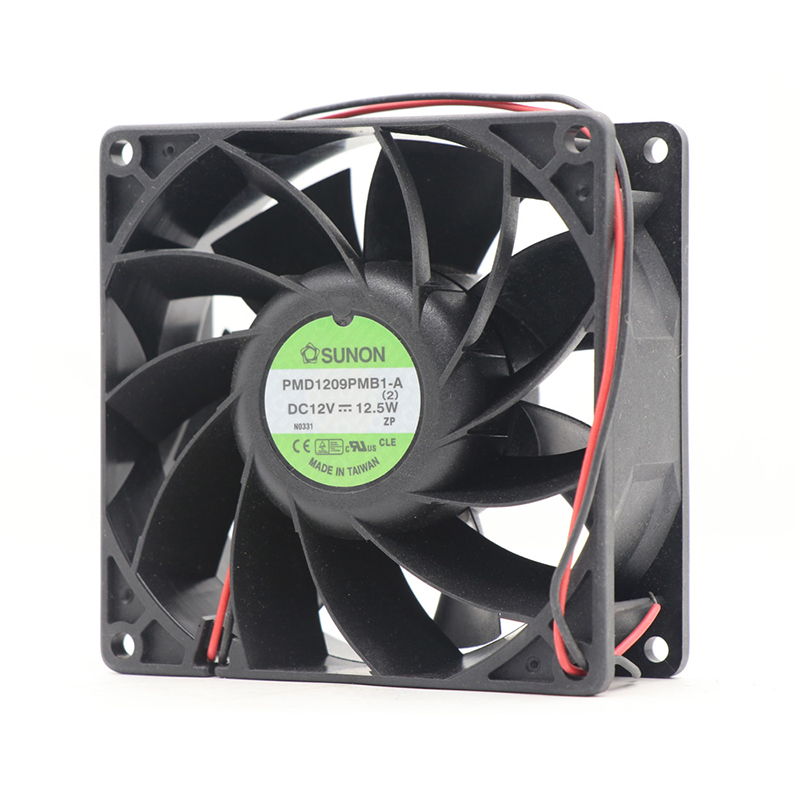
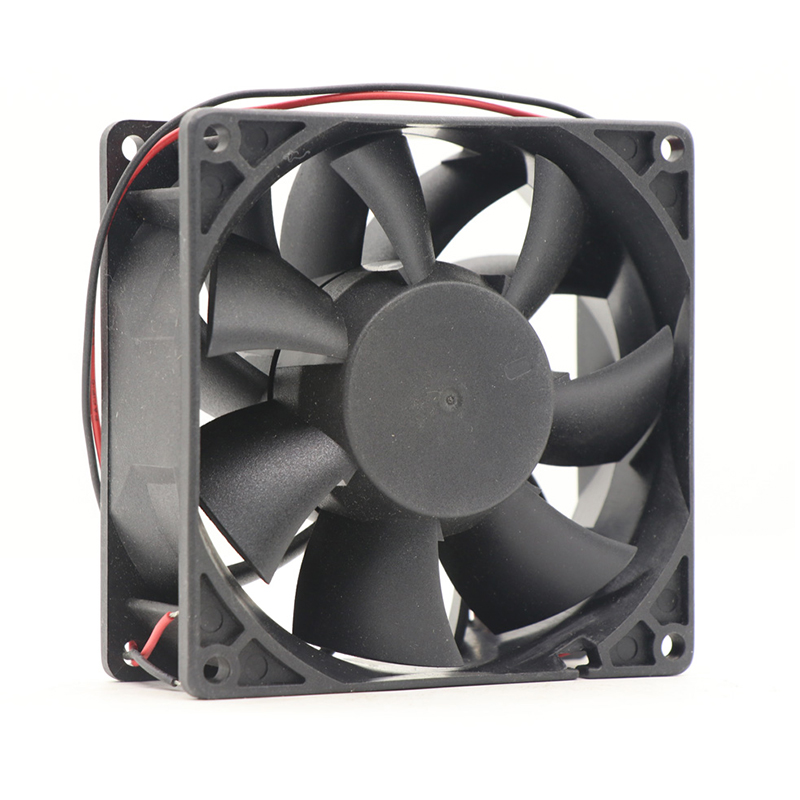
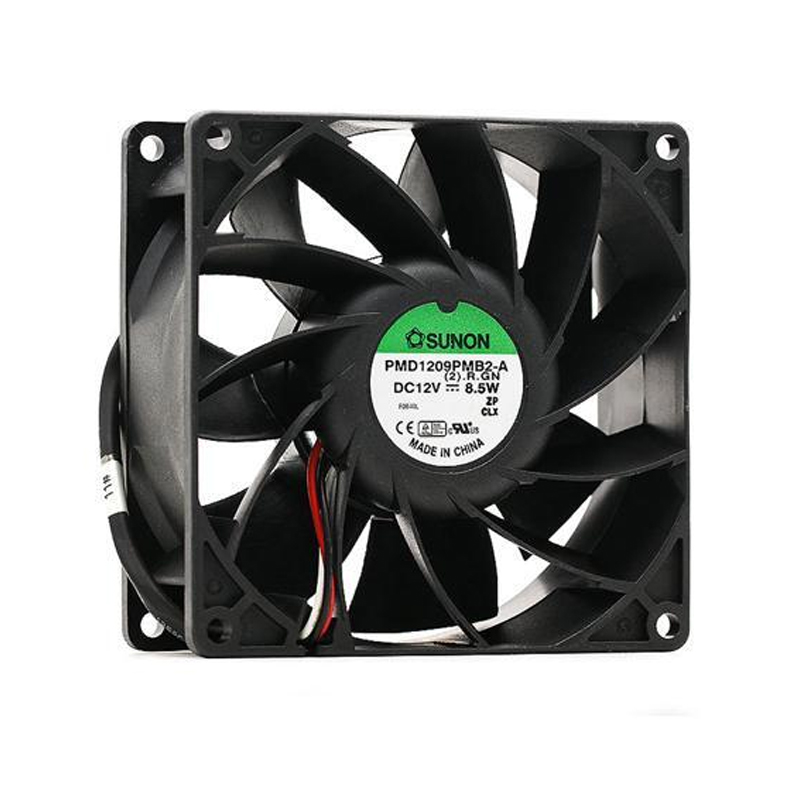
Within industrial electronics and equipment cooling, SUNON PMD1209PMB1-A serves as a 92 × 92 × 38 mm DC blower operating at 12 VDC. Up to 204.2 m³/h is its most prominent listed performance figure. Treat the application data as a primary input to specification approval. Check the ordering suffix before assigning control functions.
| Rated Voltage(V) | 12 |
|---|---|
| Size(mm) | 92x92x38mm |
| Max.Air Flow(m³/h) | 204.2 |
| Max.Pressure(Pa) | 176.9 |
| Input Power(W) | 12.5 |
| Speed(rpm) | 4900 |
| Noise(db) | 57.6 |
For industrial equipment, SUNON PMD1209PMB1-A serves as a DC brushless axial fan. The fan supports temperature control in equipment that runs through sustained or repeated duty cycles.
A documented free-air delivery of up to 204.2 m3/h supports heat-removal planning. Filters, guards and restricted passages must be included when selecting the real duty point. The brushless DC motor architecture supports efficient electronic commutation and stable rotational performance for compact equipment cooling.
To integrate PMD1209PMB1-A effectively, review outlet geometry at equipment level and arrange prototype trials before volume production. Confirmed system compatibility supports stable cooling and repeatable procurement. Use a representative assembly rather than an unrestricted bench setup.
Compare its listed 12.5 W input with the required airflow and run time. Total savings depend on the complete system duty point.
The listed speed is 4900 rpm. Confirm frequency, control method, and duty point for the installed system.
The supplied product-line reference discusses long-life cooling, but continuous-duty limits for this full suffix must be verified from its datasheet and operating conditions.
Yes. The worksheet lists up to 176.9 Pa; compare it with the system curve.
Use the listed voltage, size, 204.2 m³/h airflow, 4900 rpm, and 12.5 W input for preliminary comparison.
It is listed for industrial electronics and equipment cooling. Check dimensions, airflow, pressure, and the installation environment against the actual equipment.

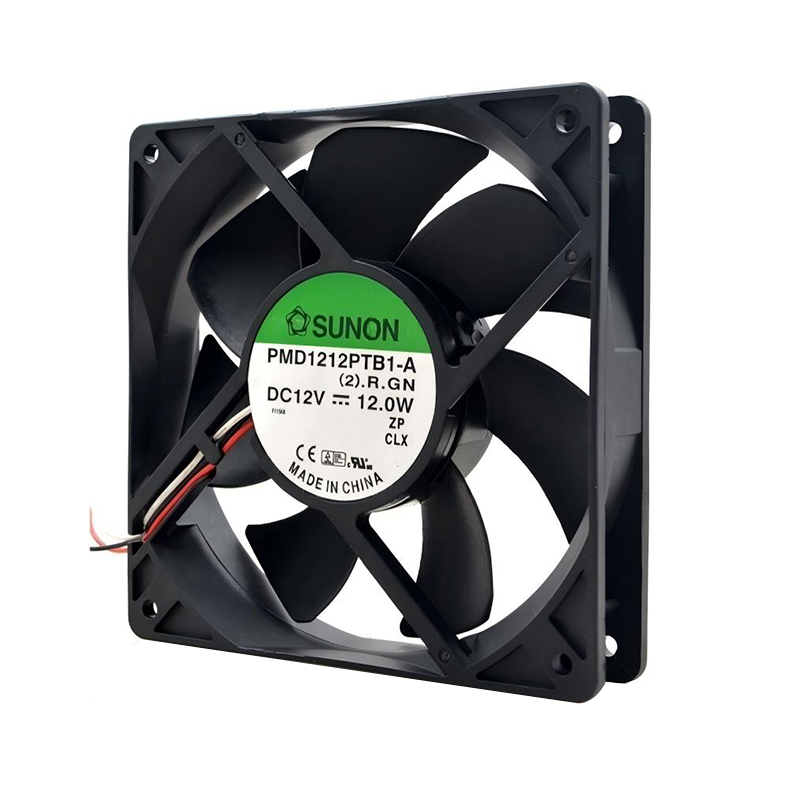
Within industrial electronics and equipment cooling, PMD1212PTB1-A provides a 120 × 120 × 25 mm, 12 VDC DC axial fan configuration. Up to 254.9 m³/h is its most prominent listed performance figure. Base engineering comparison on the stated duty-point values. Confirm temperature and service-life limits from current data.
Read More
SUNON PMD1209PMB1A combines a 92 × 92 × 38 mm DC blower platform with a 12 VDC rating for industrial electronics and equipment cooling. Up to 204.2 m³/h is its most prominent listed performance figure. Use the documented speed benchmark when planning engineering comparison. Confirm temperature and service-life limits from current data.
Read More.GN-0.jpg)
Within industrial electronics and equipment cooling, SUNON PMD1209PMB1-A(2).GN serves as a 92 × 92 × 38 mm DC axial fan operating at 12 VDC. Up to 204.34 m³/h is its most prominent listed performance figure. For engineering comparison, start with the supplied rated dataset. Confirm temperature and service-life limits from current data.
Read More
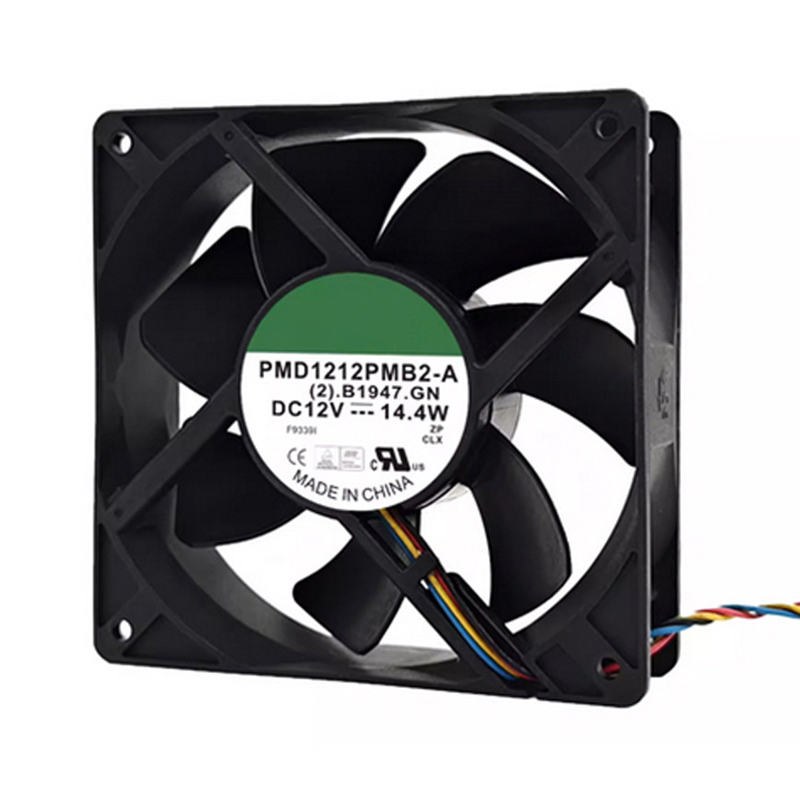
SUNON PMD1212PMB2-A combines a 120 × 120 × 38 mm DC axial fan platform with a 12 VDC rating for industrial electronics and equipment cooling. Up to 288.8 m³/h is its most prominent listed performance figure. During engineering comparison, compare the model's installation footprint. Confirm temperature and service-life limits from current data.
Read More
Applied in industrial electronics and equipment cooling, SUNON PMD1209PMB2-A is a 12 VDC DC axial fan in a 92 × 92 × 38 mm frame. Up to 180.6 m³/h is its most prominent listed performance figure. The recorded selection parameters should guide engineering comparison. Confirm temperature and service-life limits from current data.
Read More
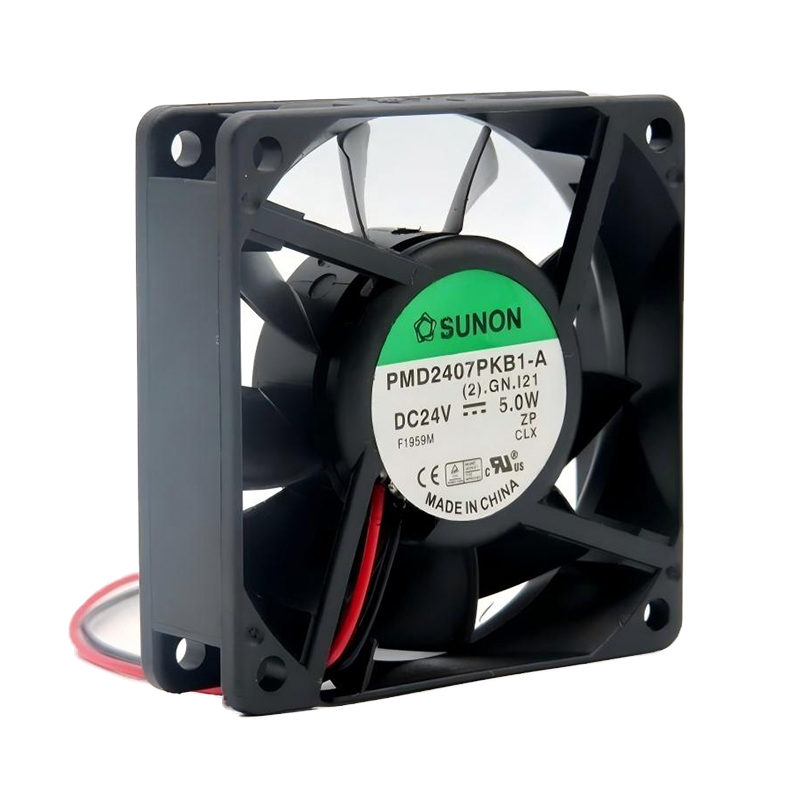
The PMD2407PKB1-A is SUNON's 24 VDC, 70 × 70 × 20 mm DC blower option for industrial electronics and equipment cooling. 5 W input is the defining electrical load in the supplied data. Review its ventilation capacity during engineering comparison. Confirm temperature and service-life limits from current data.
Read More