Get Quote
Home > Products > By type > Axial Fans > FN091-SDQ.6N.V7P2 | ZIEHL-ABEGG 400V 1850W AC Axial Fan for Cooling & Ventilation Systems

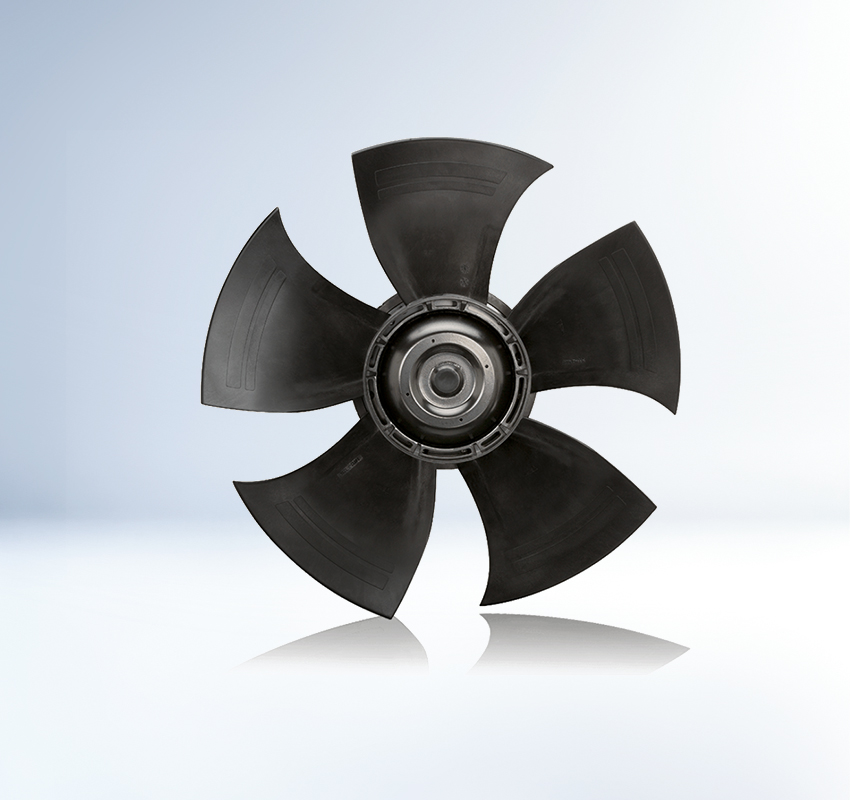
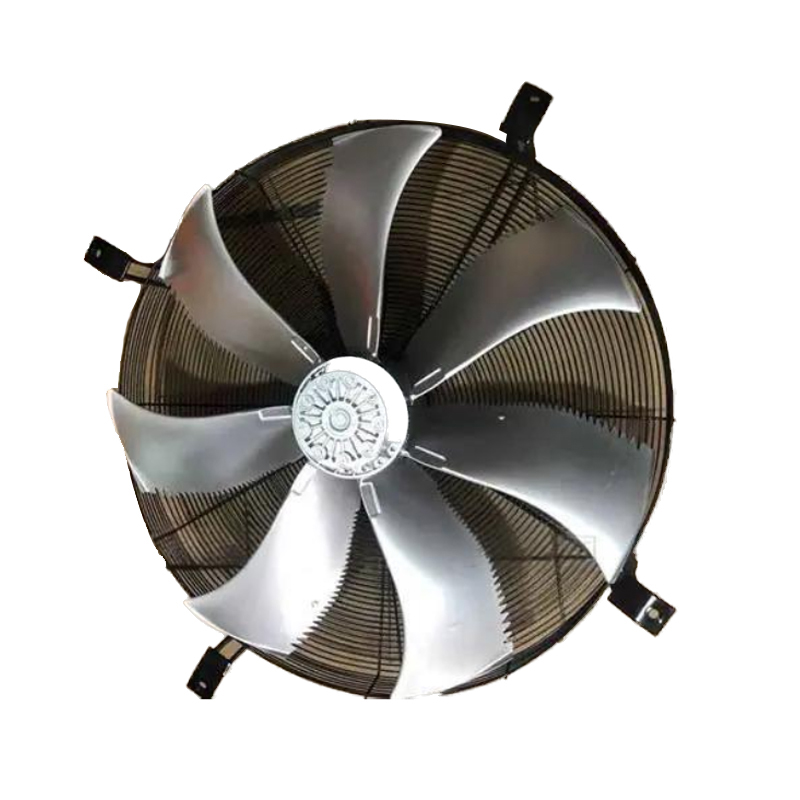
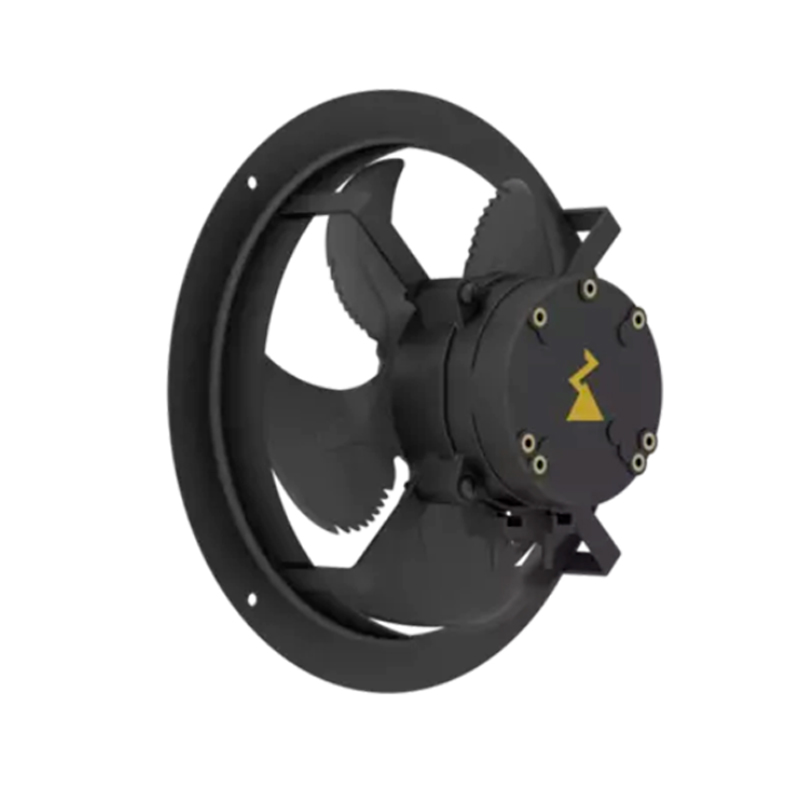
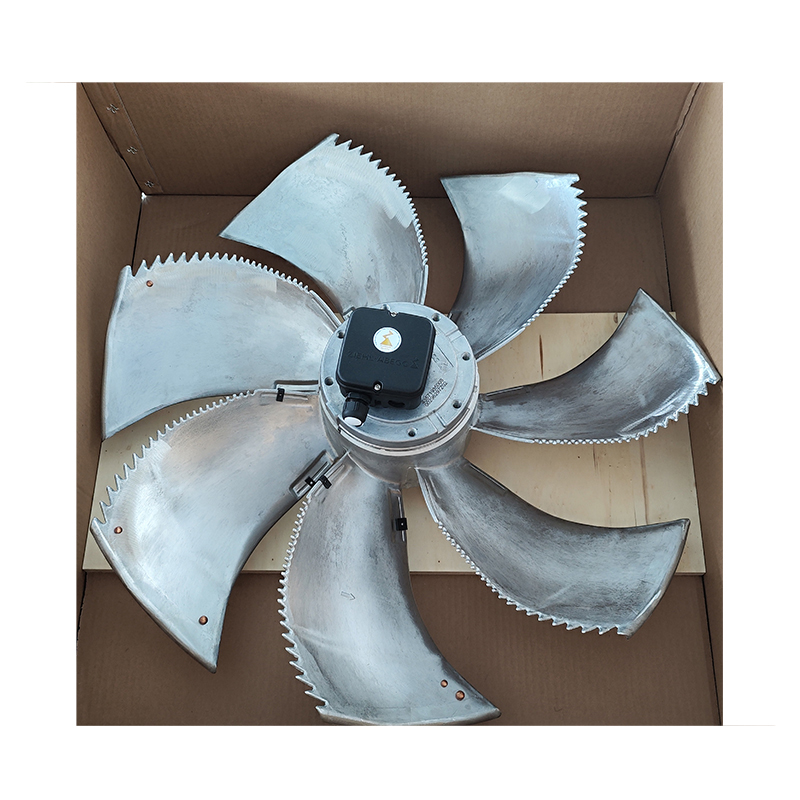
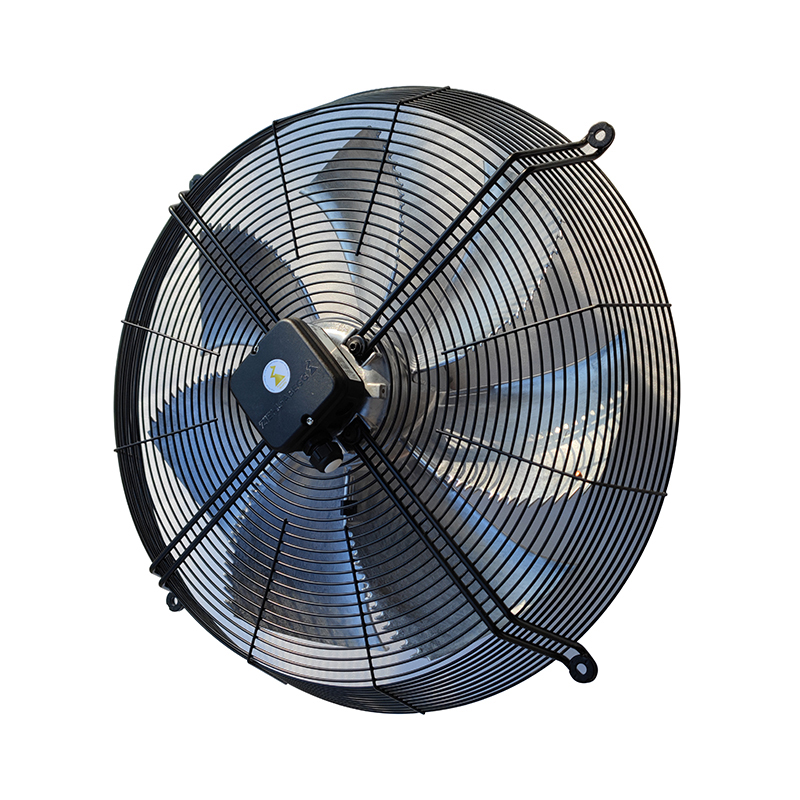
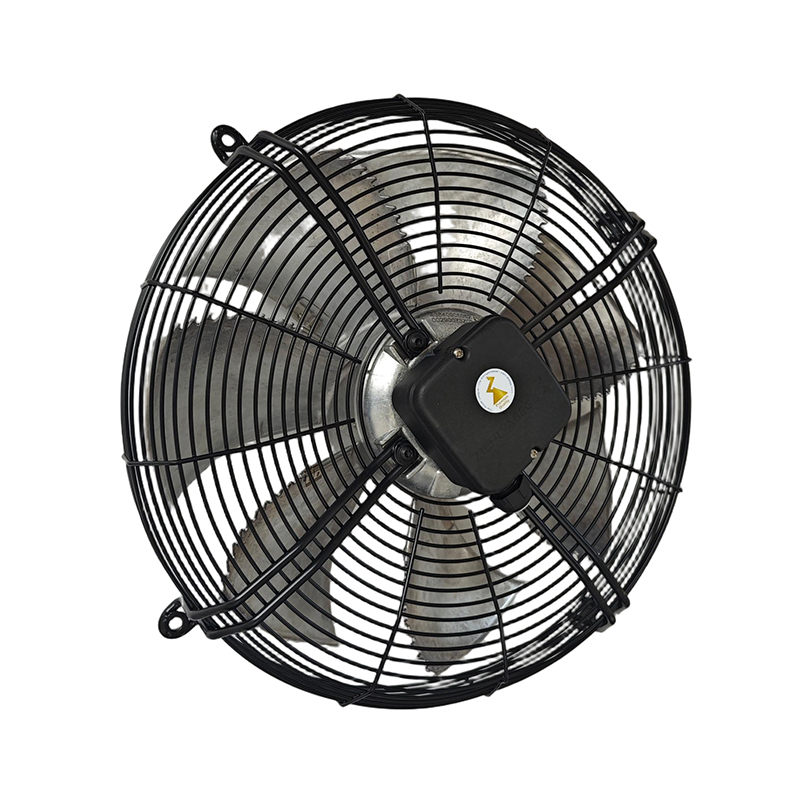
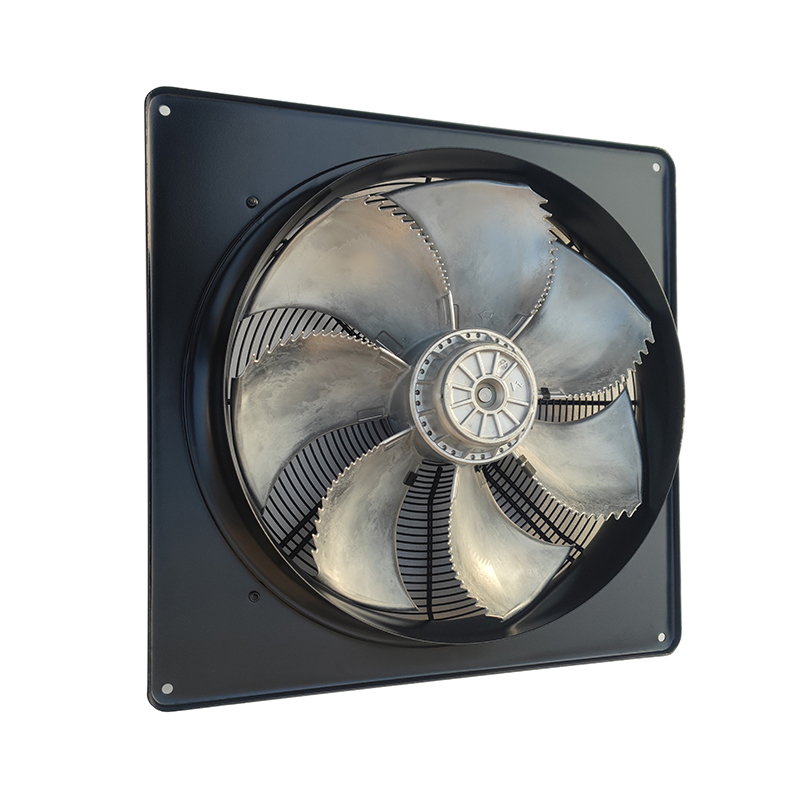
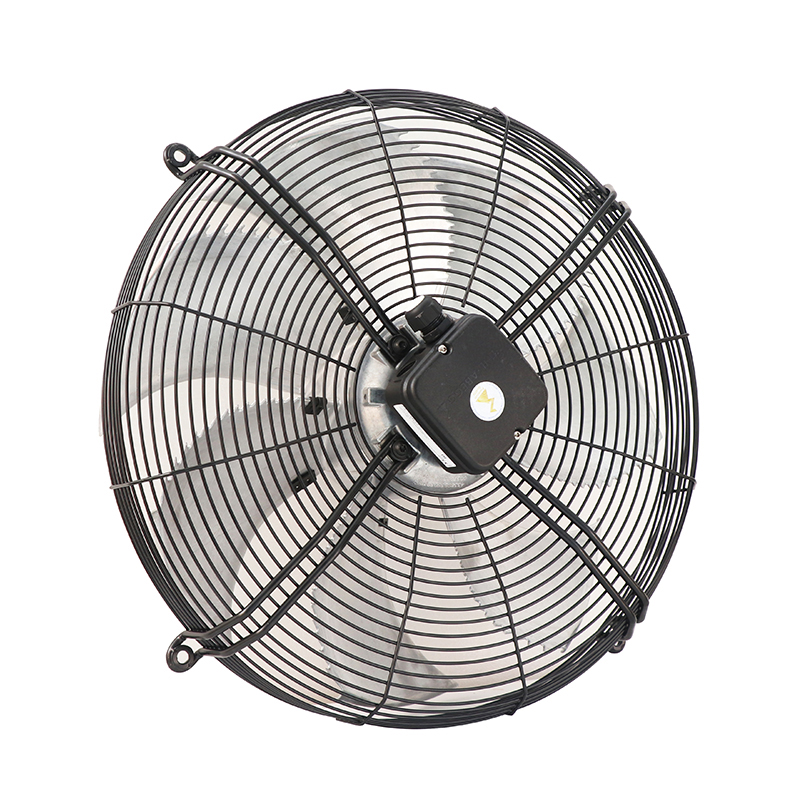
FN091-SDQ.6N.V7P2 ZIEHL-ABEGG Axial Fan

Brand :
ZIEHL-ABEGG
Model:
FN091-SDQ.6N.V7P2 | ZIEHL-ABEGG 400V 1850W AC Axial Fan for Cooling & Ventilation Systems
Type:
Axial Fans
Industry:
HVAC & Ventilation
Description:

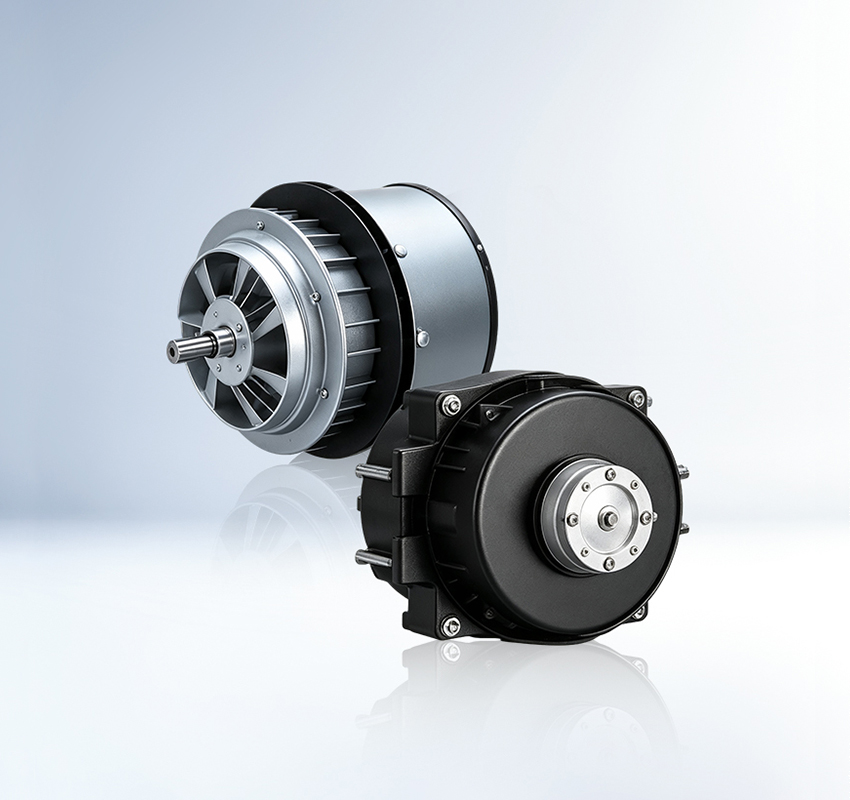
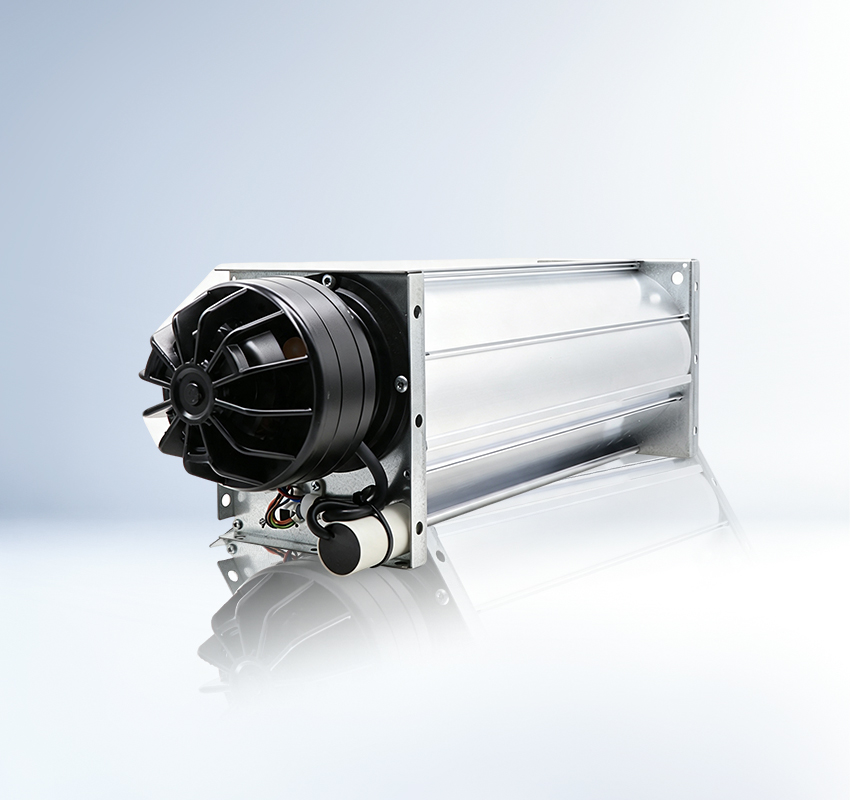
Created for HVAC Systems, ZIEHL-ABEGG FN091-SDQ.6N.V7P2 is a 400 V AC axial fan, documented with a listed airflow of 31,419 m³/h. It provides a traceable selection parameter. The figure supports sourcing.

Product Features

Rated Voltage(V)400
Size(mm)910
Max.Air Flow(m³/h)31419
Input Power(W)1850
Speed(rpm)840

Product Features

High Airflow Cooling

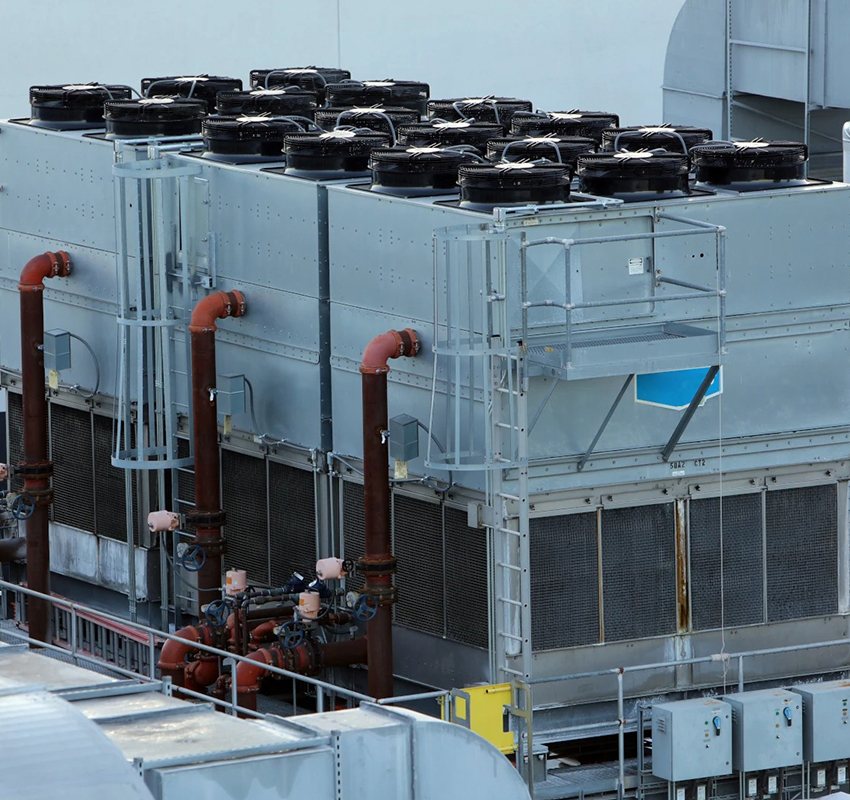
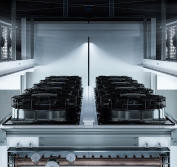
The ZIEHL-ABEGG FN091-SDQ.6N.V7P2 is an AC axial fan for refrigeration cooling, telecom equipment, supporting equipment thermal management and integration.

Data includes 400 V operation and airflow up to 31419 m³/h to assist system engineers in validating the planned ventilation circuit. The datasheet lists bionic blade geometry for durable motor support. Installed noise depends on the duty point and airflow path. Proper integration of the supply, mounting and air path protects airflow performance and promotes durable operation.

This verified model profile clarifies technical handover for maintenance sourcing with attention to real airflow resistance. This evidence-based approach helps purchasers compare fit, duty and integration requirements before ordering.

Application Industry

Frequently Asked Questions

What compliance information is supplied for the FN091-SDQ.6N.V7P2?

The workbook marks the product RoHS Compliant. Obtain the exact-model declaration and any project-specific approvals required by the destination market.

Why choose the FN091-SDQ.6N.V7P2 for HVAC Systems?

Its documented 400 V AC axial fan configuration provides a traceable match for projects whose electrical and airflow requirements align with the model data.

Can the FN091-SDQ.6N.V7P2 run continuously in 24/7 equipment?

Continuous operation must remain within the published electrical, thermal and aerodynamic limits; confirm the exact datasheet and system conditions.

Message Form