Get Quote
Home > Products > By type > Centrifugal Fans > RE22P-2DK.3F.5R | ZIEHL-ABEGG 400V 490W AC Centrifugal Fan for Equipment Cooling & Ventilation

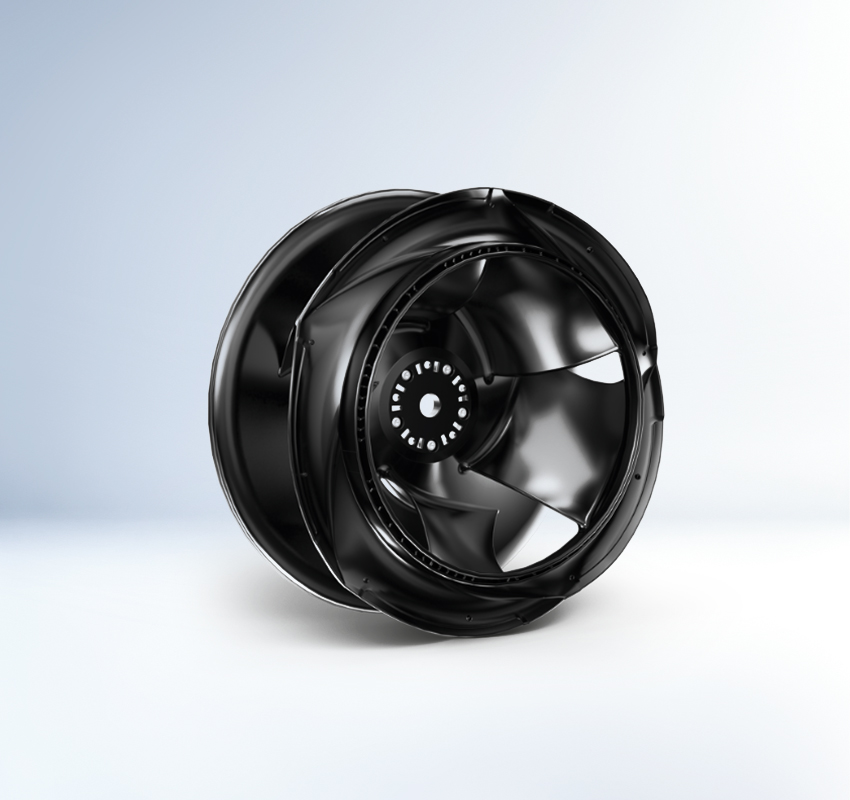
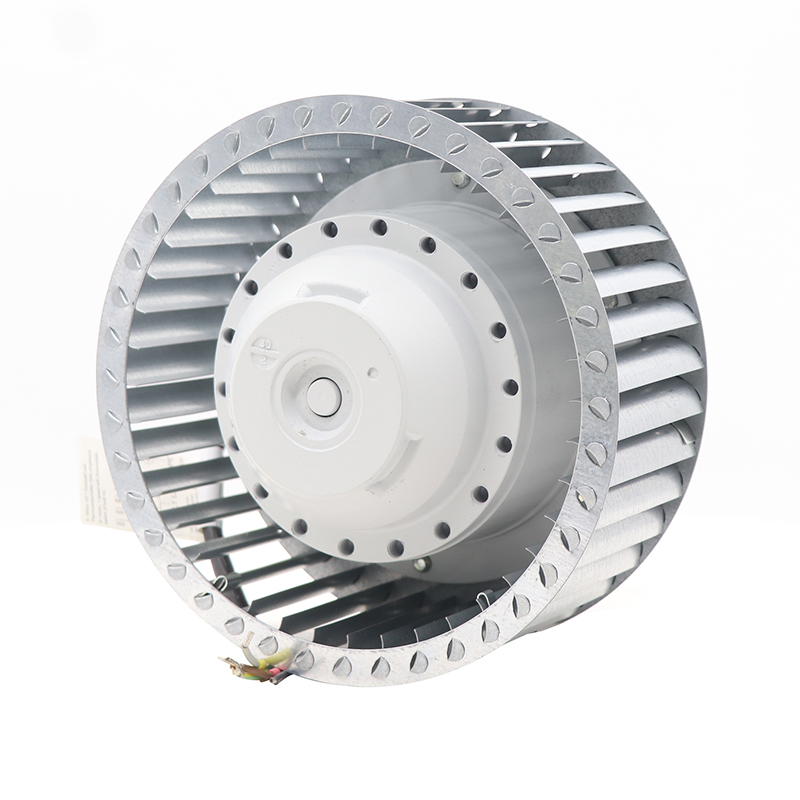
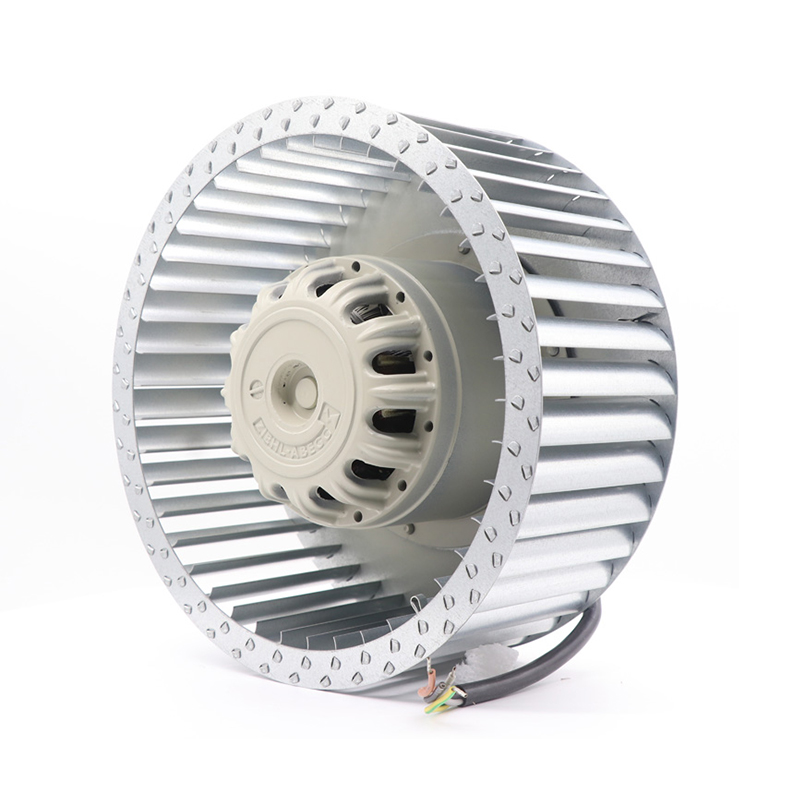
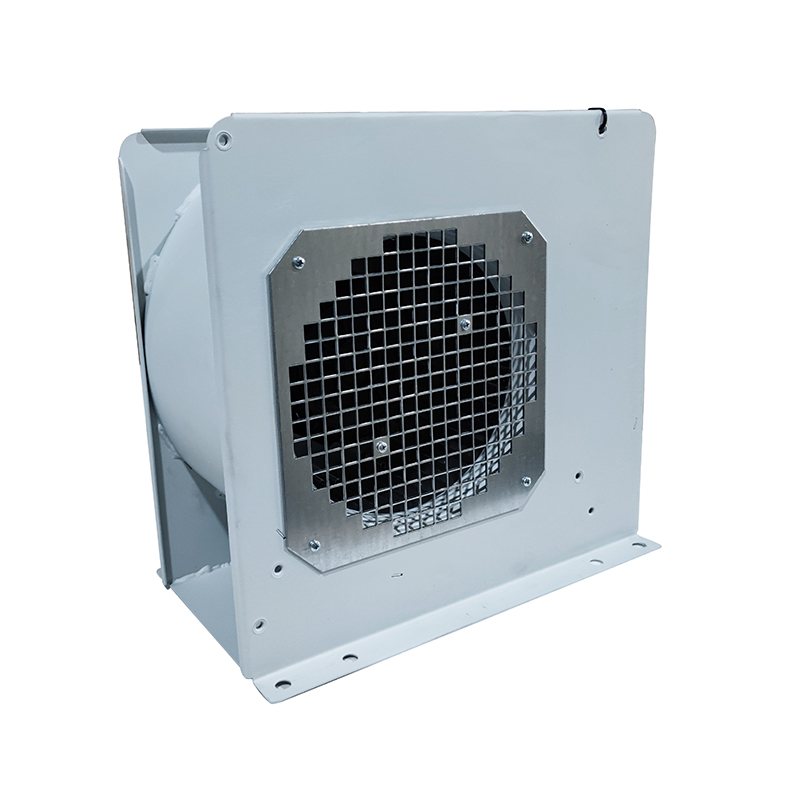
RE22P-2DK.3F.5R ZIEHL-ABEGG Centrifugal Fan

Brand :
ZIEHL-ABEGG
Model:
RE22P-2DK.3F.5R | ZIEHL-ABEGG 400V 490W AC Centrifugal Fan for Equipment Cooling & Ventilation
Type:
Centrifugal Fans
Industry:
HVAC & Ventilation
Description:

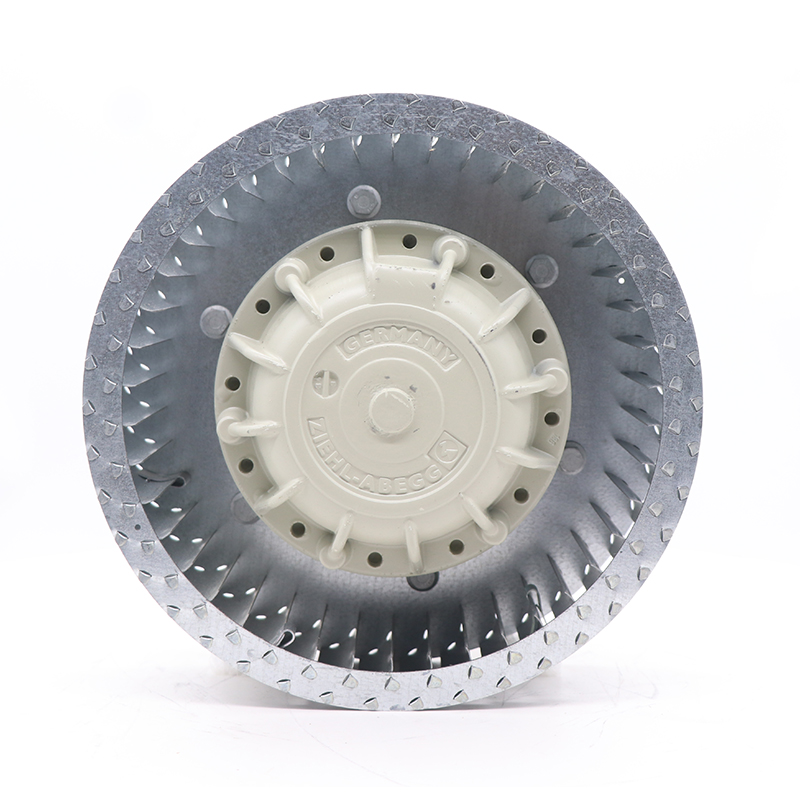
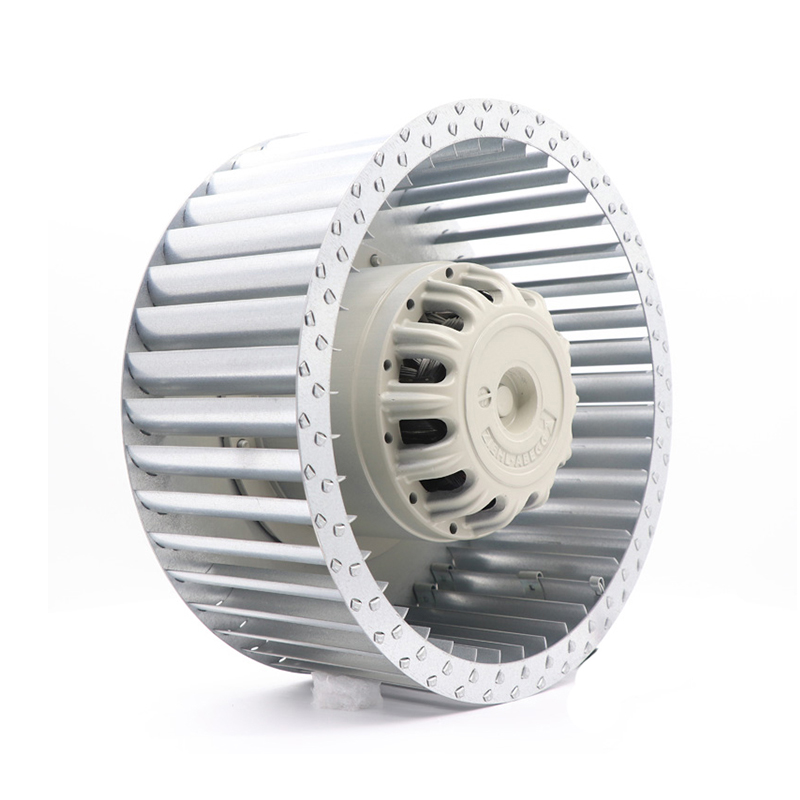
Intended for Ventilation, the ZIEHL-ABEGG RE22P-2DK.3F.5R is a 400 V AC centrifugal fan, characterized by 220 mm dimensions for installation planning. The value aids operating-point comparison.

Product Features

Rated Voltage(V)400
Size(mm)220
Input Power(W)490
Speed(rpm)2320

Product Features

Reliable Blower

The ZIEHL-ABEGG RE22P-2DK.3F.5R is an AC centrifugal blower for hvac systems, equipment cooling, supporting equipment thermal management and integration.

Data includes 400 V operation for checking whether the available air delivery suits the installed resistance. Installed noise depends on the duty point and airflow path. Its integrated motor and impeller support stable ventilation. Correct installation conditions help convert documented performance into reliable equipment-level heat removal.

The RE22P-2DK.3F.5R suits OEM integration and replacement sourcing; verify wiring, mounting, duty point and ambient limits before approval. The documented profile strengthens lifecycle planning for industrial thermal systems before the final design-in decision.

Application Industry

Frequently Asked Questions

What should be inspected if airflow drops on the RE22P-2DK.3F.5R?

Check for blocked airflow paths, incorrect supply, loose wiring, abnormal rotation or system resistance before consulting the exact service documentation.

What supply voltage does the RE22P-2DK.3F.5R require?

The supplied table lists 400 V. Verify supply type, frequency, wiring and permissible tolerances before commissioning.

Can the RE22P-2DK.3F.5R help control total ownership cost?

Correct sizing and operation within documented limits can reduce avoidable thermal stress and maintenance events; project savings require duty-cycle analysis.

Message Form