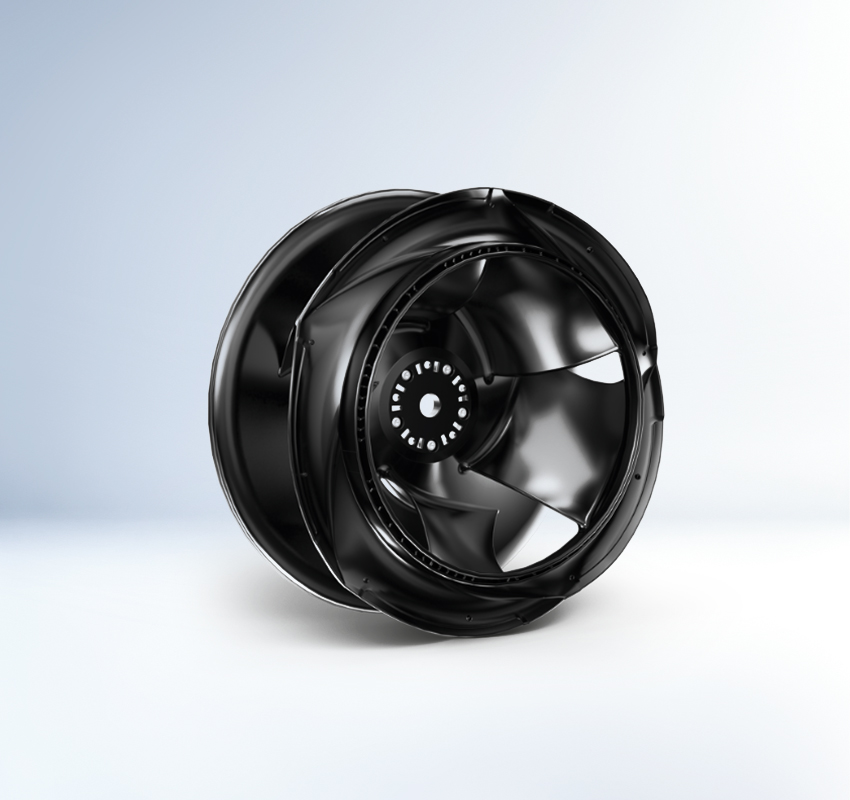
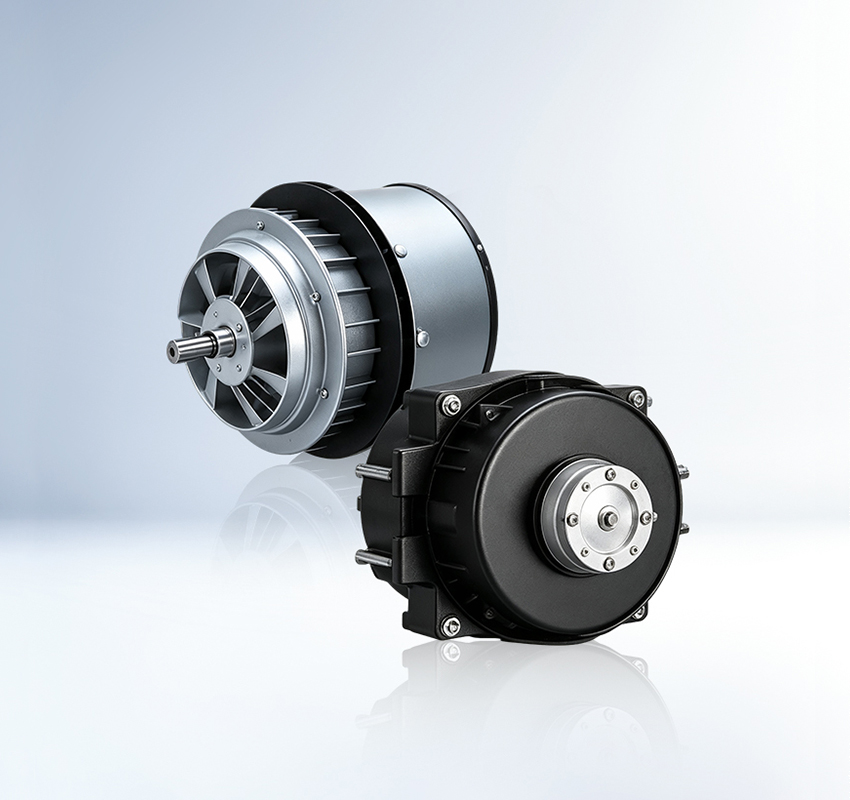
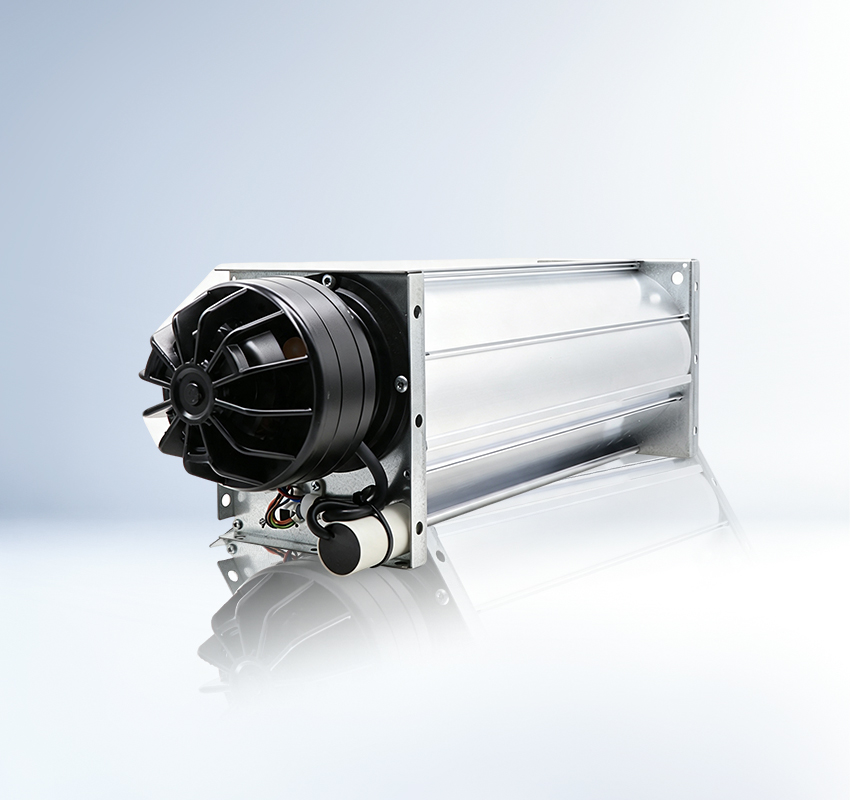
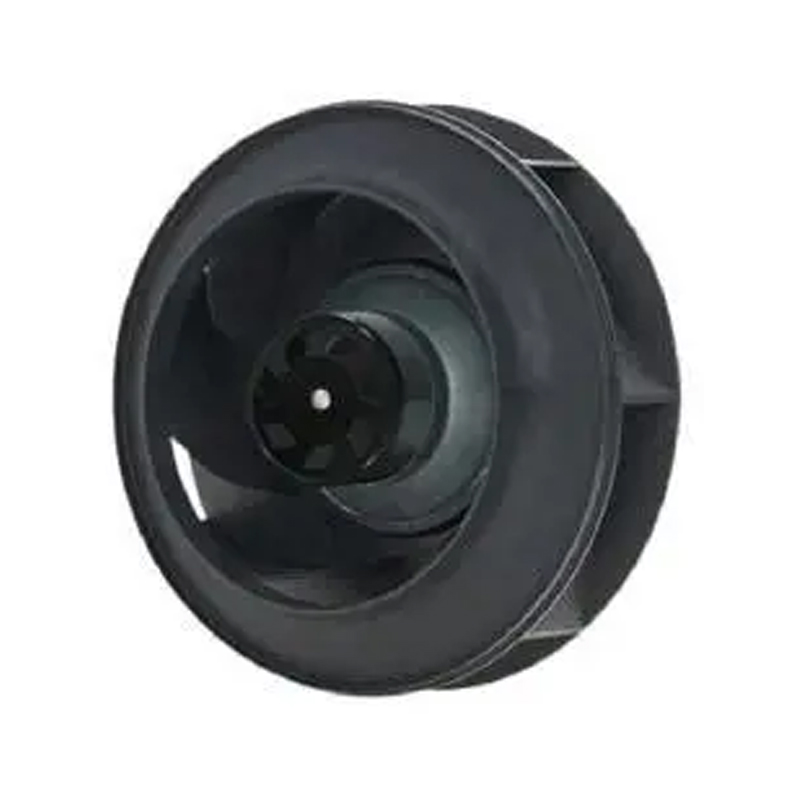
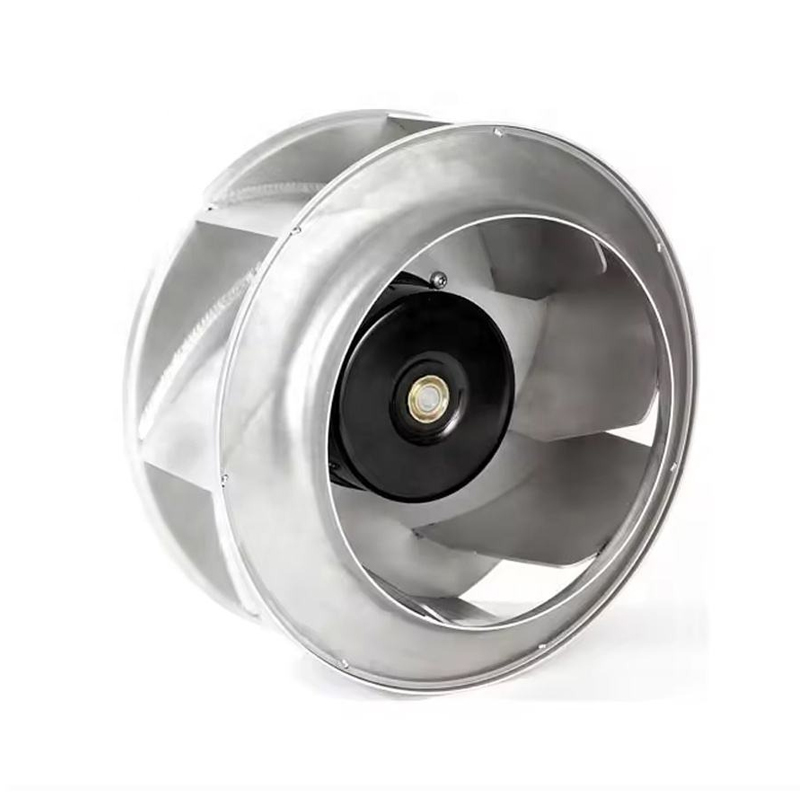
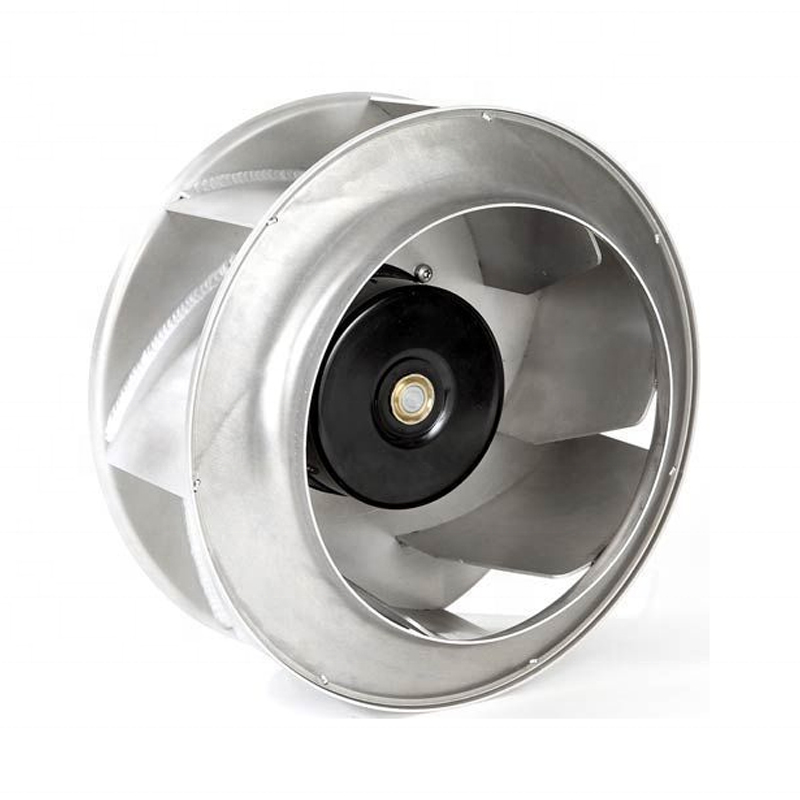
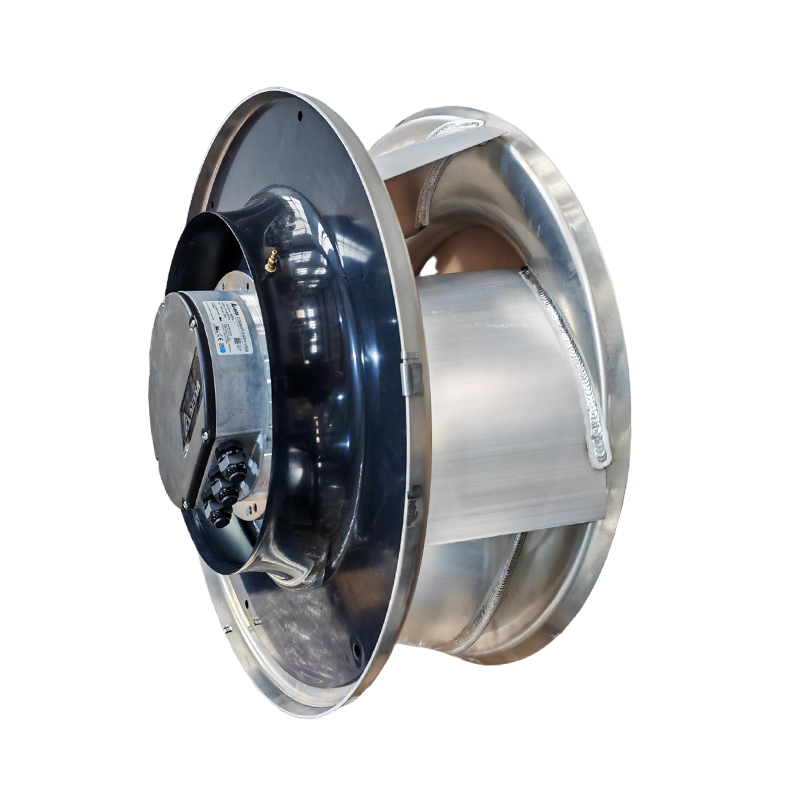
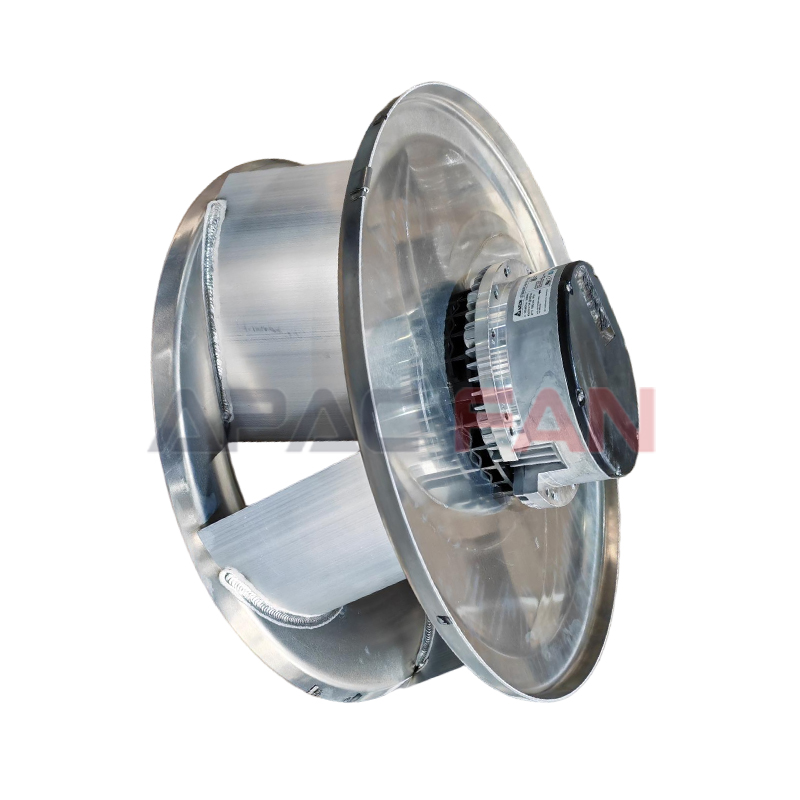
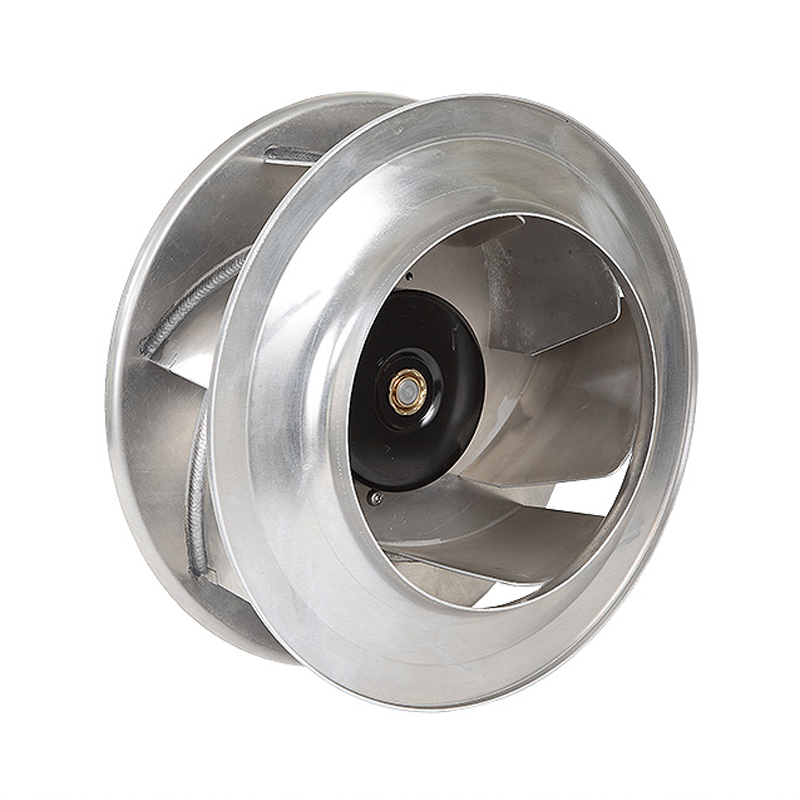
With 1260 m3/h maximum airflow, GTB023EUG10R-V E1 serves server cooling as a nominal 230VAC EC centrifugal fan. Its PDF documents soft start and locked-rotor protection, plus 0-10V/PWM speed control.
| Rated Voltage(V) | 1~200-240 |
|---|---|
| Size(mm) | φ225 x 99 |
| Max.Air Flow(m³/h) | 1260 |
| Max.Pressure(Pa) | 650 |
| Input Power(W) | 180 |
| Speed(rpm) | 3000 |
| Noise(db) | 72 |
The Delta GTB023EUG10R-VE1 is an EC centrifugal fan for server and storage equipment. It provides a defined airflow path where equipment layout leaves limited room for passive heat removal.
A listed speed of 3000 rpm helps define the operating profile when reviewing airflow demand, mechanical mounting and the enclosure's acoustic target. The matching document lists IP54 protection, helping engineers assess enclosure exposure and installation suitability. Selecting the operating point against real pressure loss helps avoid oversizing and keeps thermal design focused on useful air delivery.
OEM purchasers can specify this model after checking the thermal duty, supply and mechanical fit, keeping reliable equipment operation central to selection.
The Delta GTB023EUG10R-VE1 is an EC centrifugal fan for server and storage equipment. It provides a defined airflow path where equipment layout leaves limited room for passive heat removal.
A listed speed of 3000 rpm helps define the operating profile when reviewing airflow demand, mechanical mounting and the enclosure's acoustic target. The matching document lists IP54 protection, helping engineers assess enclosure exposure and installation suitability. Selecting the operating point against real pressure loss helps avoid oversizing and keeps thermal design focused on useful air delivery.
OEM purchasers can specify this model after checking the thermal duty, supply and mechanical fit, keeping reliable equipment operation central to selection.
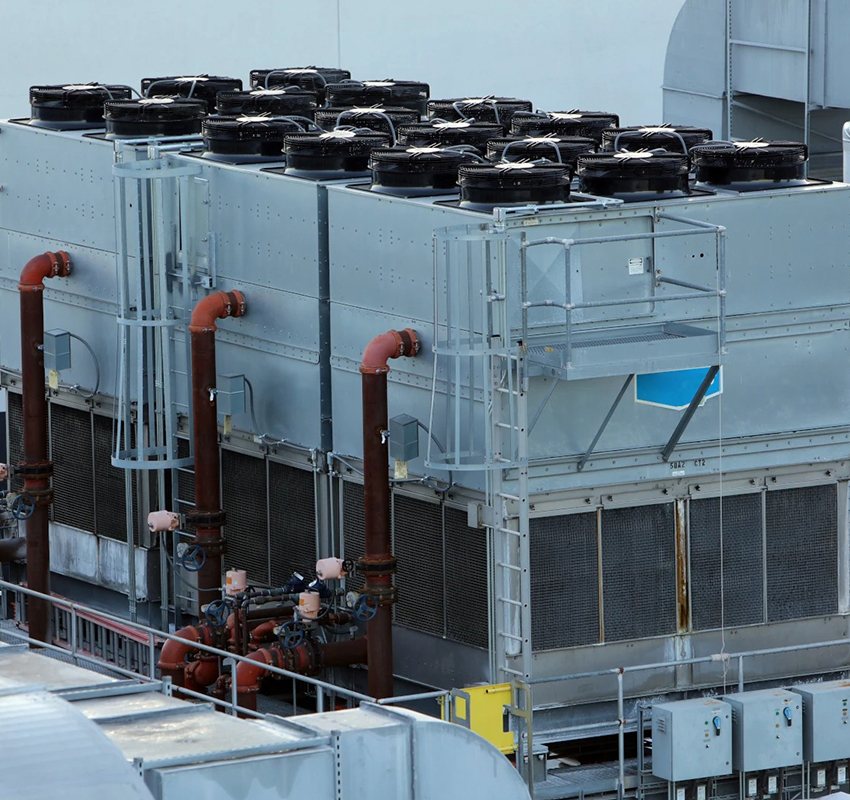
In precision cooling equipment, air movement helps handle continuous temperature-control demand. Delta GTB023EUG10R-VE1 supports cooling around heat-exchange sections, contributing to stable environmental conditions.
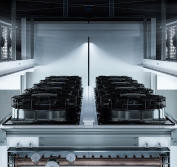
Delta GTB023EUG10R-VE1 serves server and storage equipment, helping remove heat from processors, drives and other heat-producing assemblies. Airflow supports stable equipment temperatures.
In telecommunications equipment, Delta GTB023EUG10R-VE1 helps remove heat from densely arranged electronic assemblies. The cooling solution addresses continuous communication duty to support service continuity.
In precision cooling equipment, air movement helps handle continuous temperature-control demand. Delta GTB023EUG10R-VE1 supports cooling around heat-exchange sections, contributing to stable environmental conditions.
Delta GTB023EUG10R-VE1 serves server and storage equipment, helping remove heat from processors, drives and other heat-producing assemblies. Airflow supports stable equipment temperatures.
In telecommunications equipment, Delta GTB023EUG10R-VE1 helps remove heat from densely arranged electronic assemblies. The cooling solution addresses continuous communication duty to support service continuity.
The workbook lists a maximum airflow of 1260 m3/h. This is not the airflow at every system resistance; use the applicable pressure-flow curve to identify the installed operating point.
GTB023EUG10R-V E1 is listed for Server cooling. Confirm the installed airflow demand, pressure loss and ambient conditions before approval.
3000 rpm is listed in the workbook. This value alone does not establish adjustable-speed capability; confirm the control input and permitted operating range in the exact datasheet.
The listed noise value is 72 dB, but compare values only under matching test conditions. Installed noise also depends on speed, restriction, resonance and enclosure geometry.
Isolate power first. Verify the approved supply, connector, polarity or phase, control-enable input and any obstruction; follow the exact specification and do not bypass protection circuits.
The provided parameters do not prove a cost saving. Compare purchase price, power at the real operating point, service access, expected life and downtime risk for the complete cooling system.