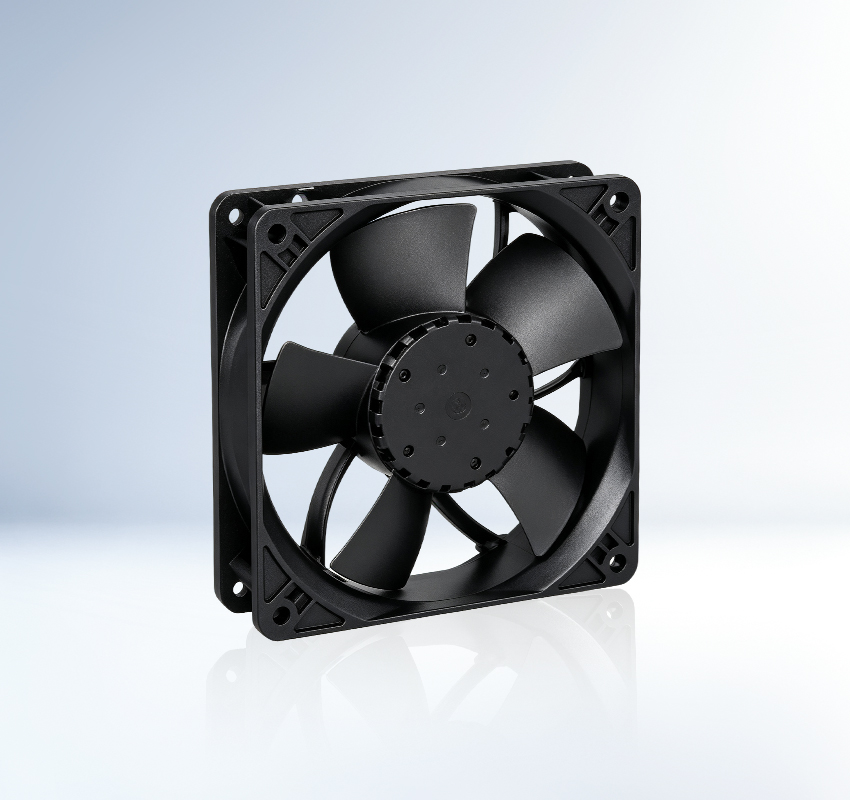
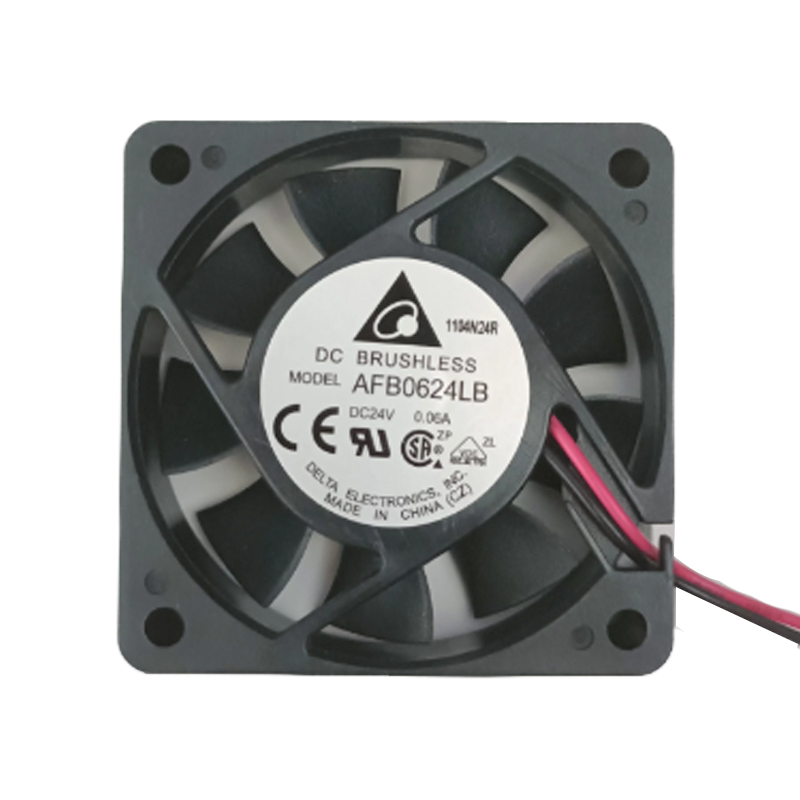
Low listed input is the distinguishing point of AFB0624LB: 0.96 W at 24VDC. This axial fan serves power-supply and server enclosures in a 60 x 60 x 15 mm format, with a 3000 rpm speed rating.
| Rated Voltage(V) | 24 |
|---|---|
| Size(mm) | 60*60*15 |
| Max.Air Flow(m³/h) | 19.6 |
| Max.Pressure(Pa) | 21.7 |
| Input Power(W) | 0.96 |
| Speed(rpm) | 3000 |
| Noise(db) | 24 |
Designed for power-supply equipment, Delta AFB0624LB brings brushless DC axial fan integration to thermally loaded assemblies. Its role is to move cooling air across components during equipment operation.
A listed speed of 3000 rpm helps define the operating profile when reviewing airflow demand, mechanical mounting and the enclosure's acoustic target. The series uses ball-bearing motor support for rotational durability, giving OEMs a service-life-oriented construction for equipment cooling. Matching the fan curve to the finished air path supports efficient cooling; free-air flow alone does not determine installed performance.
For OEM design-in and replacement sourcing, confirm the full suffix, connector and mounting pattern to support dependable service in the intended assembly.
Delta AFB0624LB serves server and storage equipment, helping remove heat from processors, drives and other heat-producing assemblies. Airflow supports stable equipment temperatures.
In power-supply equipment, Delta AFB0624LB helps remove heat from power-conversion components. The cooling solution addresses electrical conversion losses to support dependable power delivery.
For telecommunications equipment, Delta AFB0624LB provides equipment cooling around densely arranged electronic assemblies. Managing continuous communication duty helps maintain service continuity.
In industrial control equipment, air movement helps handle heat accumulated within enclosures. Delta AFB0624LB supports cooling around controllers and electronic modules, contributing to stable automation operation.
The workbook lists 21.7 Pa maximum pressure. Maximum pressure and maximum airflow occur at different points, so select AFB0624LB from its curve at the required system resistance.
AFB0624LB is listed for Server and Power Supply cooling. Confirm the installed airflow demand, pressure loss and ambient conditions before approval.
The listed input-power figure is 0.96 W, but efficiency must be evaluated at the required airflow and pressure. Check the applicable fan curve and test conditions before comparison.
A matching outline alone does not prove compatibility. Check 24VDC, mounting dimensions, connector, pinout, airflow direction, control signals and the required pressure-flow point.
24VDC is listed for AFB0624LB. Verify the allowable input range, phase, frequency where applicable, polarity and wiring diagram in the exact specification.

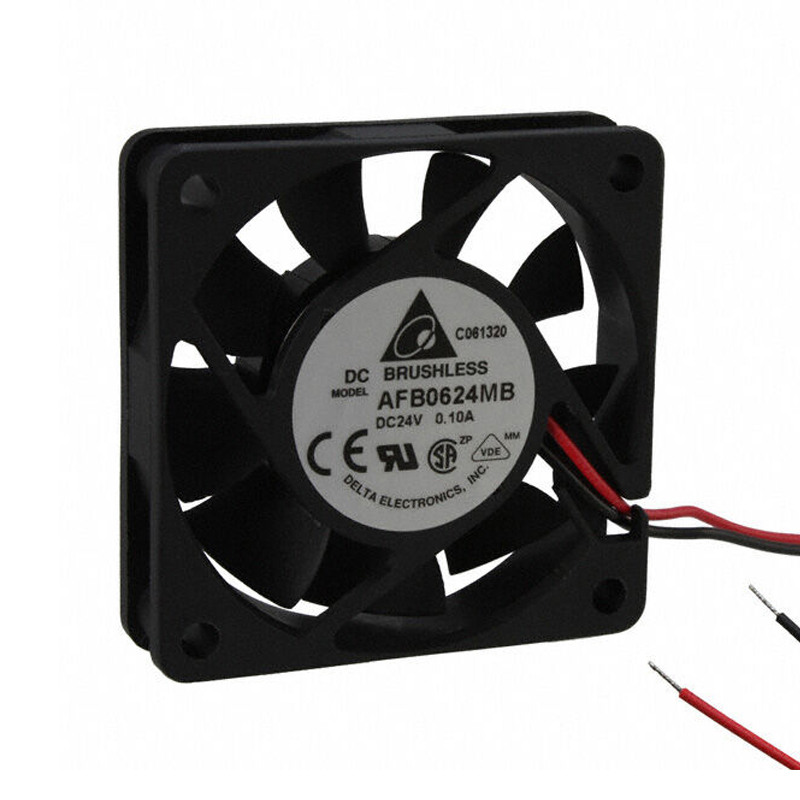
A 1.44 W input makes AFB0624MB a lower-input entry among the listed 24VDC axial fan fans. For server and power-supply ventilation, it provides a 60 x 60 x 15 mm format with a specified 4000 rpm rotor.
Read More
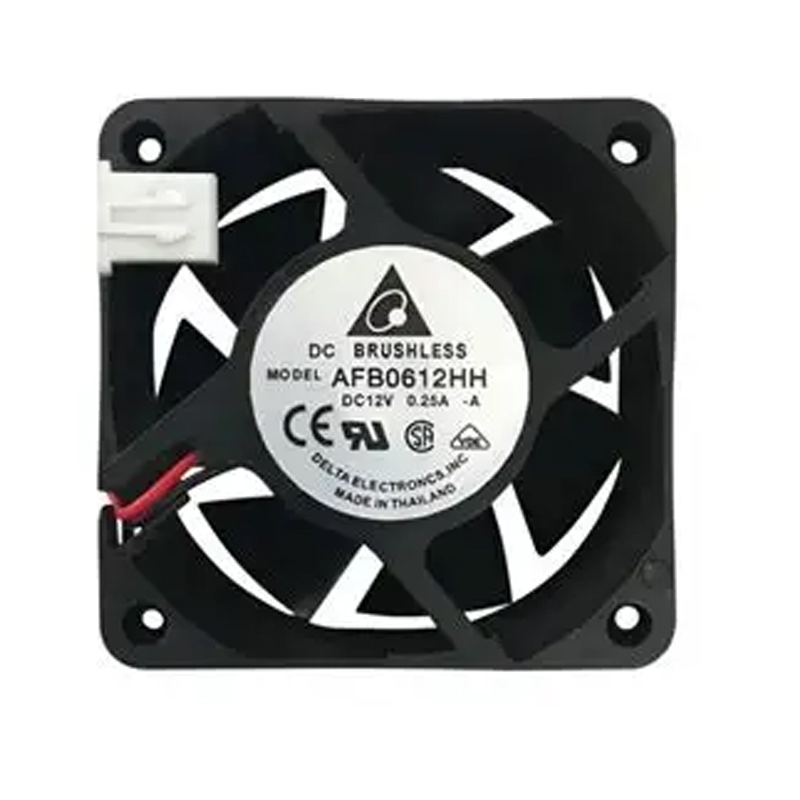
AFB0612HH-A combines a 5000 rpm rotor with a 12VDC axial fan motor for server and power-supply cooling. Its listed 2.04 W input and 74 Pa maximum static pressure accompany a 60 x 60 x 25.4 mm frame.
Read More
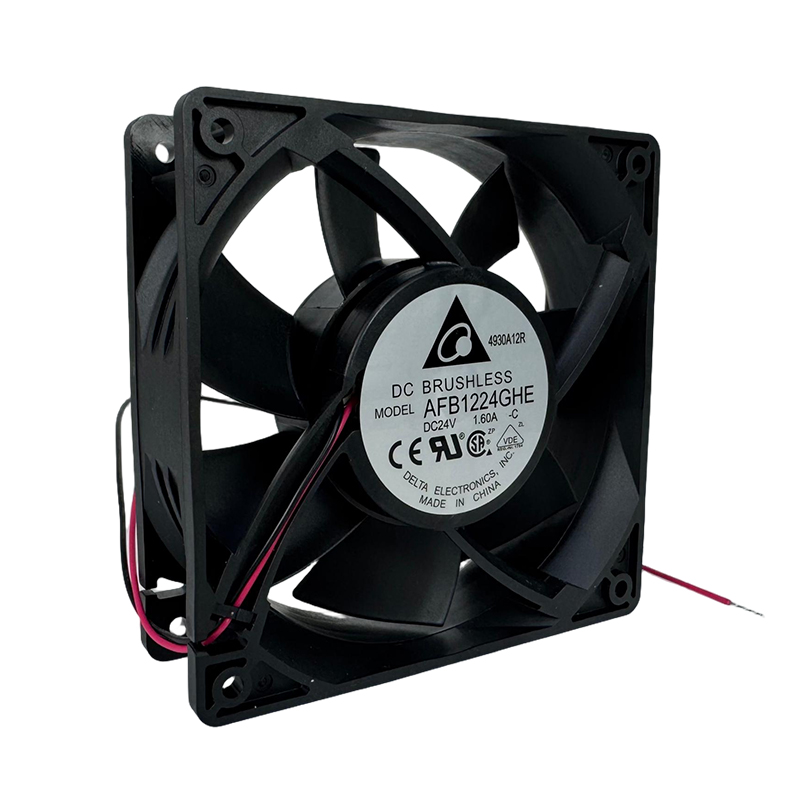
AFB1224GHE-C is a 24VDC axial fan for server chassis, with 409.7 m3/h listed maximum airflow. Its 27.6 W input differs from the 12VDC GHE entry; retain the -C suffix when checking connector and control configuration.
Read More
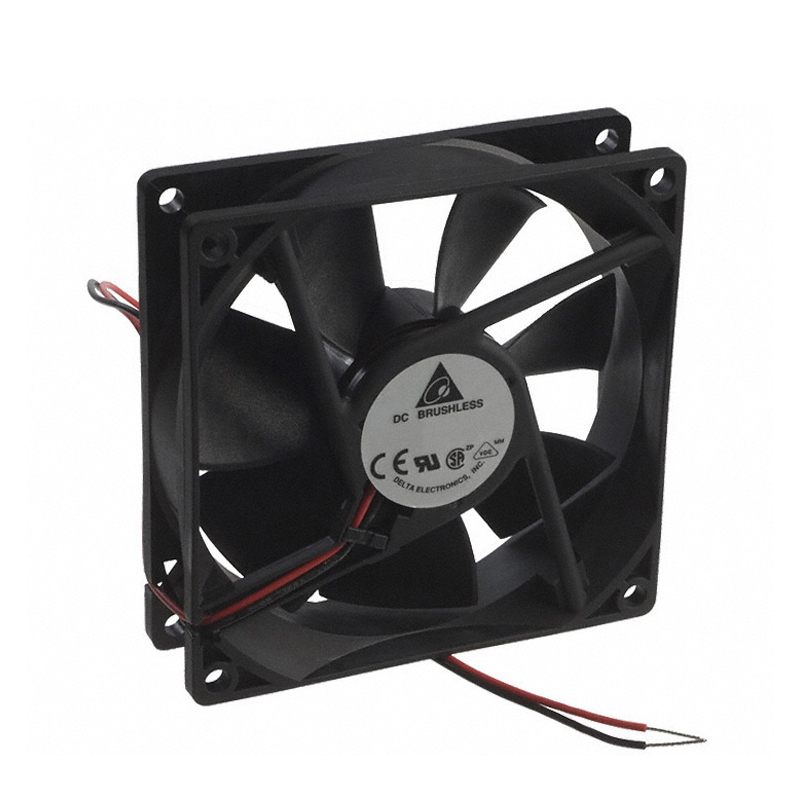
AFB0912HH supports storage-enclosure cooling with a 12VDC axial fan design. At 3200 rpm and 3 W listed input, it represents a distinct operating choice among the supplied 92 mm fans, with a specified 25.4 mm depth.
Read More
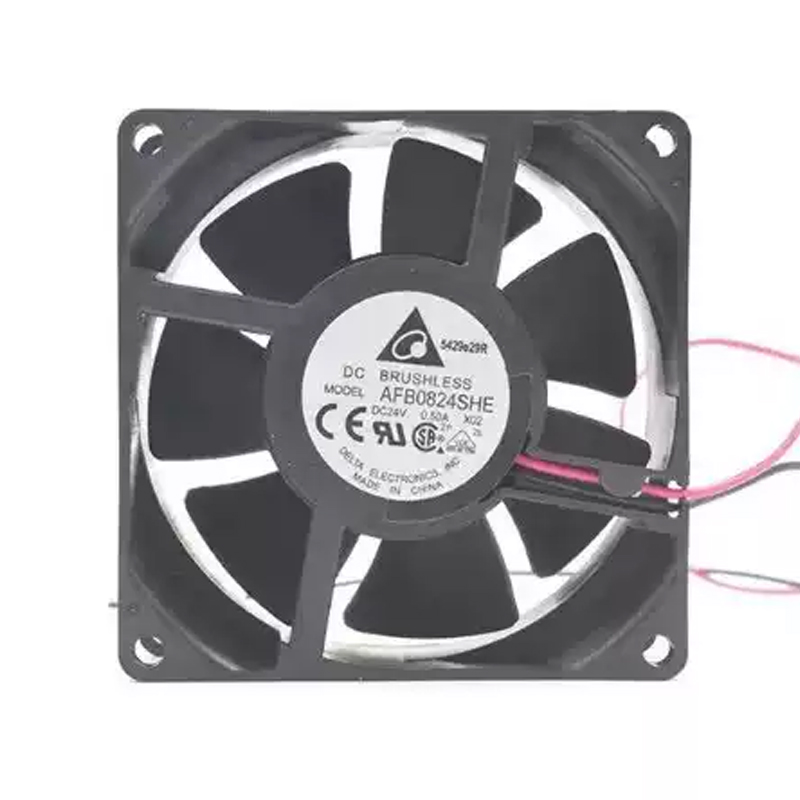
Server chassis with space for a 38 mm-deep fan can consider AFB0824SHE, an 80 mm axial model powered by 24VDC. Its listed airflow ceiling is 123.6 m3/h, a useful comparison point for enclosure ventilation designs.
Read More
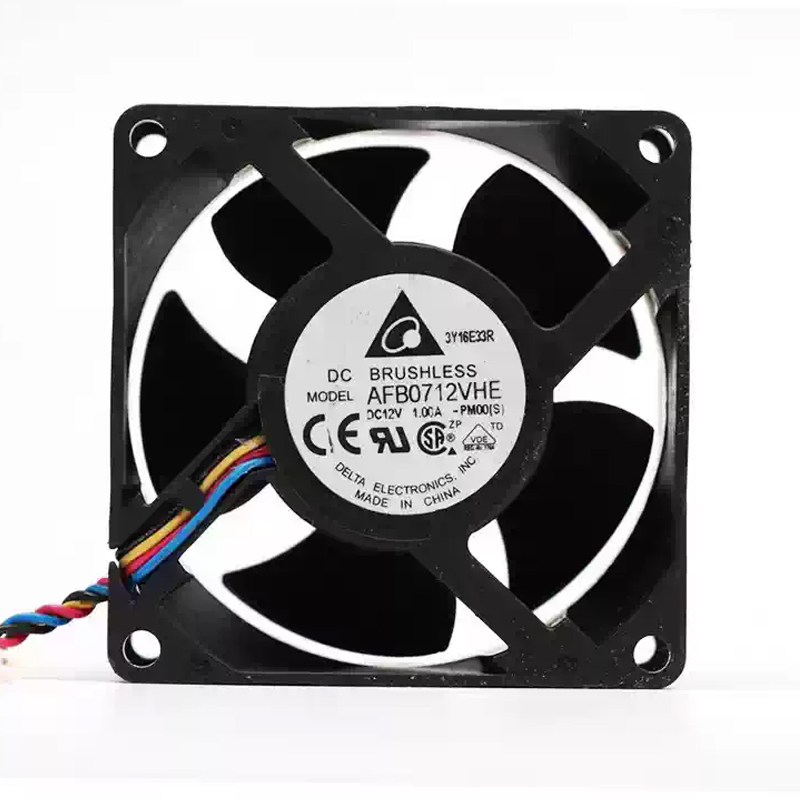
A deeper 70 x 70 x 38 mm frame distinguishes AFB0712VHE for server and power-supply cooling. The 12VDC axial fan lists 7000 rpm operation and 216.7 Pa maximum pressure, with an 8.4 W input rating.
Read More