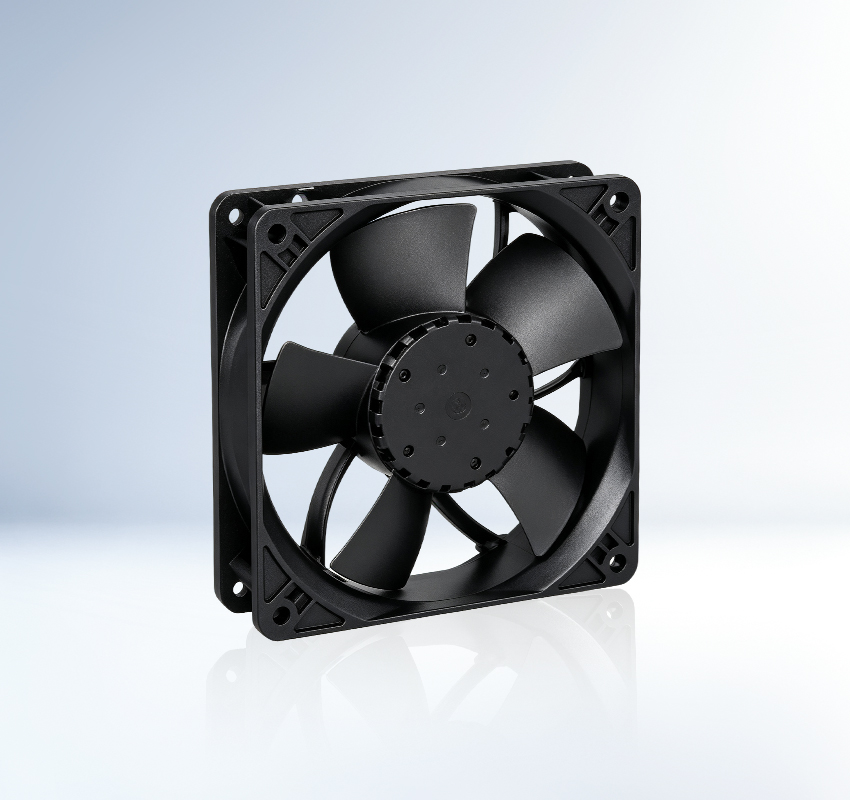
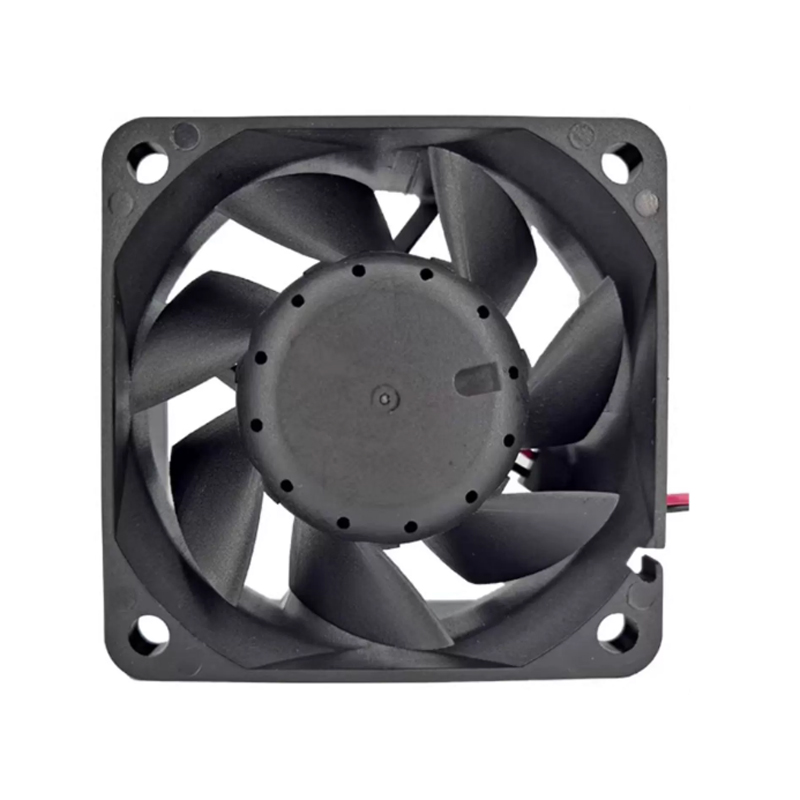
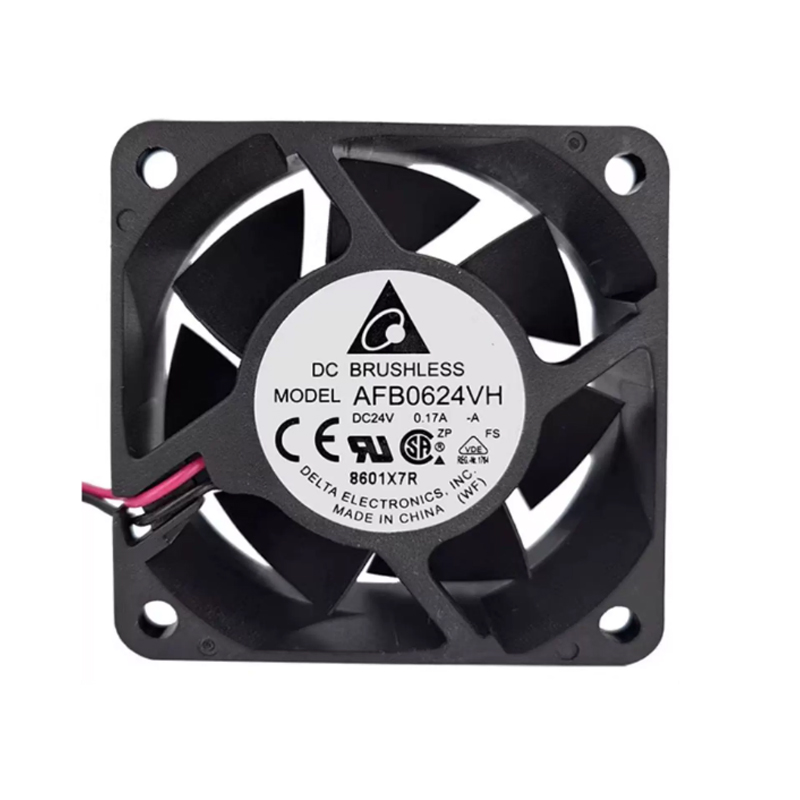
A 3.36 W rating accompanies the 24VDC AFB0624VH-A axial fan for servers and power supplies. Its 60 x 60 x 25 mm body houses a 5500 rpm rotor, with a listed maximum airflow of 51.816 m3/h.
| Rated Voltage(V) | 24 |
|---|---|
| Size(mm) | 60*60*25 |
| Max.Air Flow(m³/h) | 51.816 |
| Input Power(W) | 3.36 |
| Speed(rpm) | 5500 |
| Noise(db) | 42.5 |
For industrial control equipment, the AFB0624VH-A from Delta is a brushless DC axial fan that supports active thermal management. A planned inlet-to-outlet route helps the installation carry component heat away.
The 24 V DC supply requirement gives electrical designers a clear basis for matching the fan to the equipment power architecture. The axial layout moves air along the fan axis, supporting a direct ventilation route through the equipment opening. Matching the fan curve to the finished air path supports efficient cooling; free-air flow alone does not determine installed performance.
For system integrators, a confirmed operating point and exact interface match provide the basis for stable cooling and dependable replacement planning.
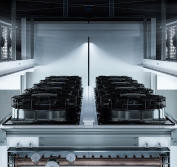
Delta AFB0624VH-A serves server and storage equipment, helping remove heat from processors, drives and other heat-producing assemblies. Airflow supports stable equipment temperatures.
In power-supply equipment, air movement helps handle electrical conversion losses. Delta AFB0624VH-A supports cooling around power-conversion components, contributing to dependable power delivery.
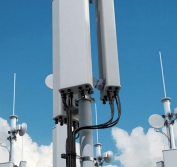
Delta AFB0624VH-A supports cooling in telecommunications equipment. Air circulation around densely arranged electronic assemblies helps manage continuous communication duty, supporting service continuity.
In industrial control equipment, Delta AFB0624VH-A helps remove heat from controllers and electronic modules. The cooling solution addresses heat accumulated within enclosures to support stable automation operation.
AFB0624VH-A is listed for Server and Power Supply cooling. Confirm the installed airflow demand, pressure loss and ambient conditions before approval.
3.36 W is shown in the filter data. Check whether the corresponding datasheet defines it as rated, free-air or maximum-load input before sizing the power source.
Serviceability depends on access, connector choice and mounting. Plan isolation and cleaning access, inspect the airflow path, and use the manufacturer's replacement guidance rather than attempting an unsupported repair.
The listed noise value is 42.5 dB, but compare values only under matching test conditions. Installed noise also depends on speed, restriction, resonance and enclosure geometry.
The provided parameters do not prove a cost saving. Compare purchase price, power at the real operating point, service access, expected life and downtime risk for the complete cooling system.

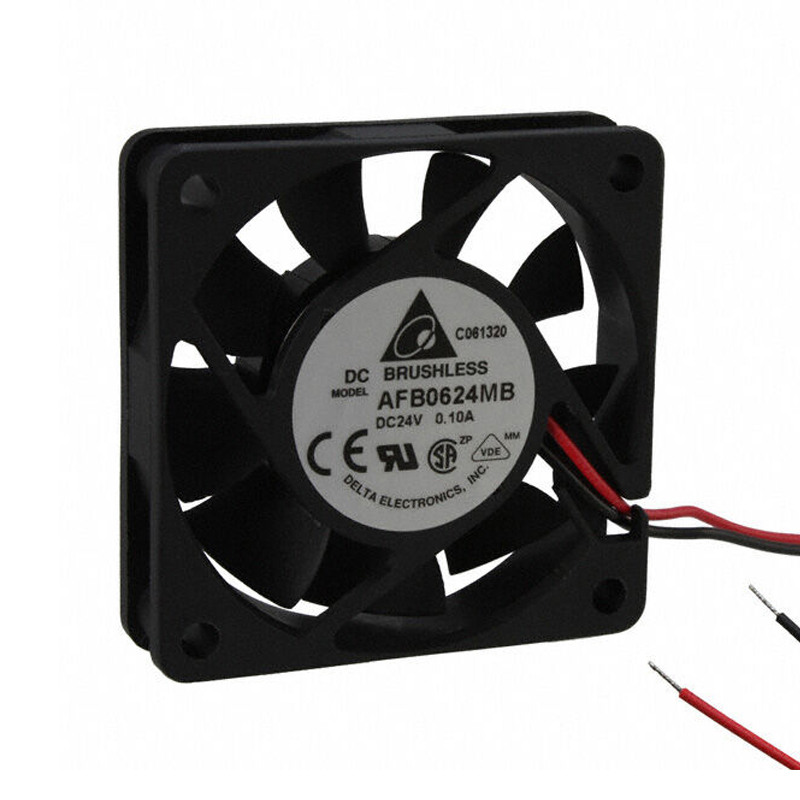
A 1.44 W input makes AFB0624MB a lower-input entry among the listed 24VDC axial fan fans. For server and power-supply ventilation, it provides a 60 x 60 x 15 mm format with a specified 4000 rpm rotor.
Read More
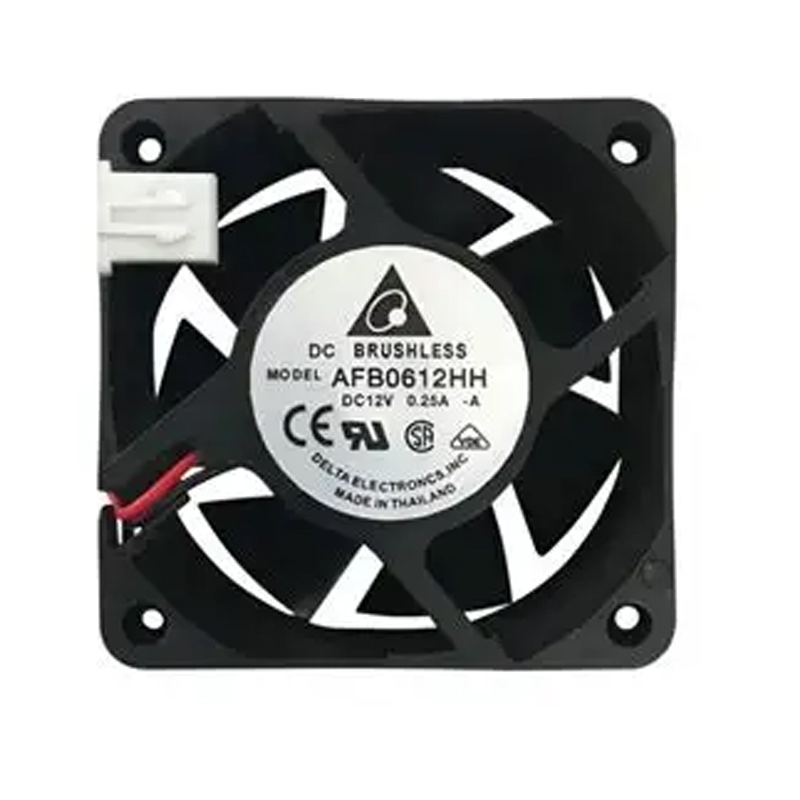
AFB0612HH-A combines a 5000 rpm rotor with a 12VDC axial fan motor for server and power-supply cooling. Its listed 2.04 W input and 74 Pa maximum static pressure accompany a 60 x 60 x 25.4 mm frame.
Read More
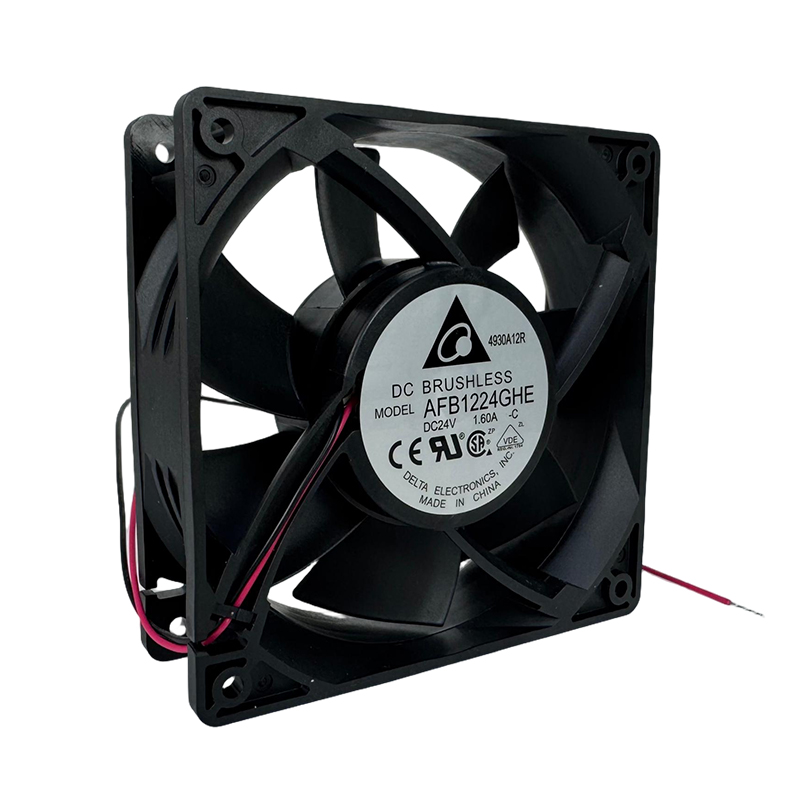
AFB1224GHE-C is a 24VDC axial fan for server chassis, with 409.7 m3/h listed maximum airflow. Its 27.6 W input differs from the 12VDC GHE entry; retain the -C suffix when checking connector and control configuration.
Read More
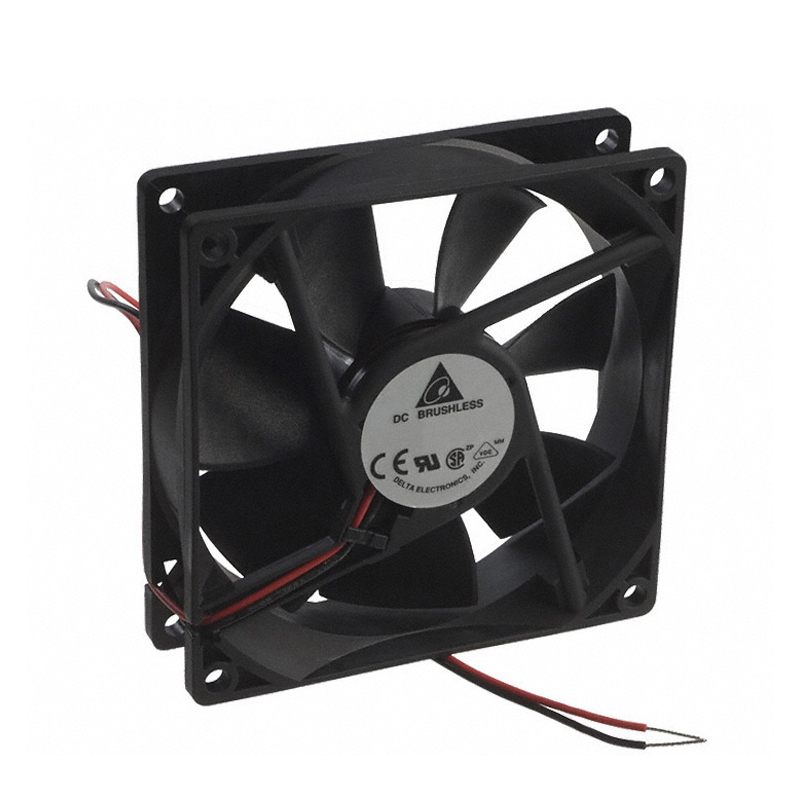
AFB0912HH supports storage-enclosure cooling with a 12VDC axial fan design. At 3200 rpm and 3 W listed input, it represents a distinct operating choice among the supplied 92 mm fans, with a specified 25.4 mm depth.
Read More
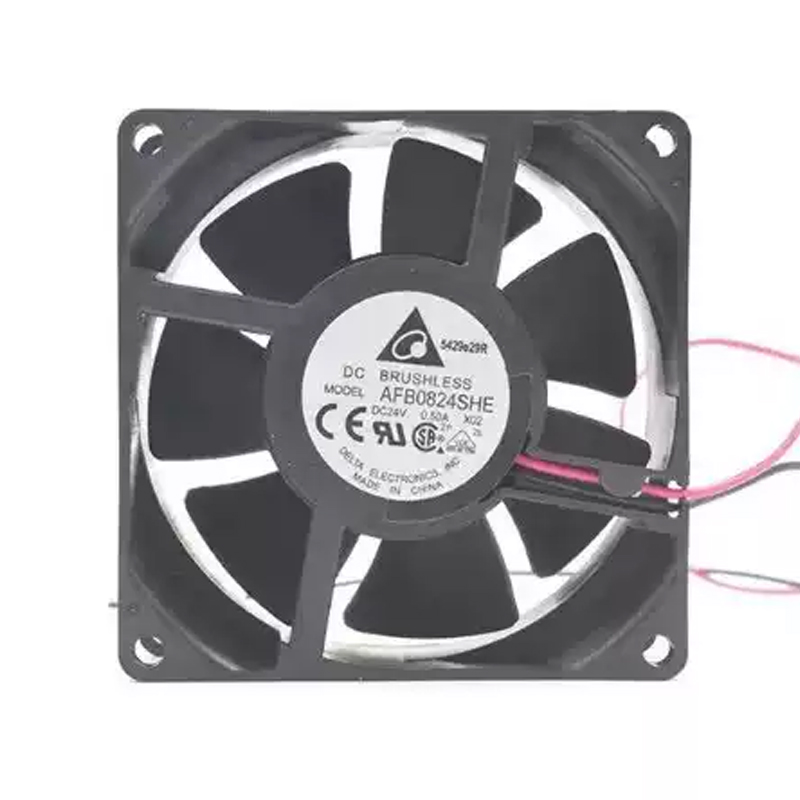
Server chassis with space for a 38 mm-deep fan can consider AFB0824SHE, an 80 mm axial model powered by 24VDC. Its listed airflow ceiling is 123.6 m3/h, a useful comparison point for enclosure ventilation designs.
Read More
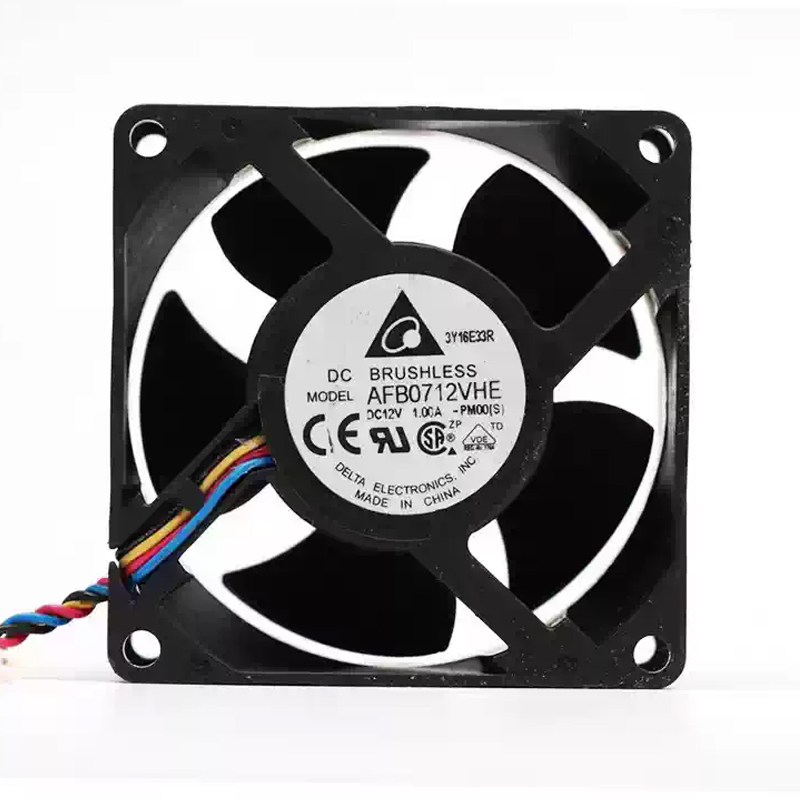
A deeper 70 x 70 x 38 mm frame distinguishes AFB0712VHE for server and power-supply cooling. The 12VDC axial fan lists 7000 rpm operation and 216.7 Pa maximum pressure, with an 8.4 W input rating.
Read More