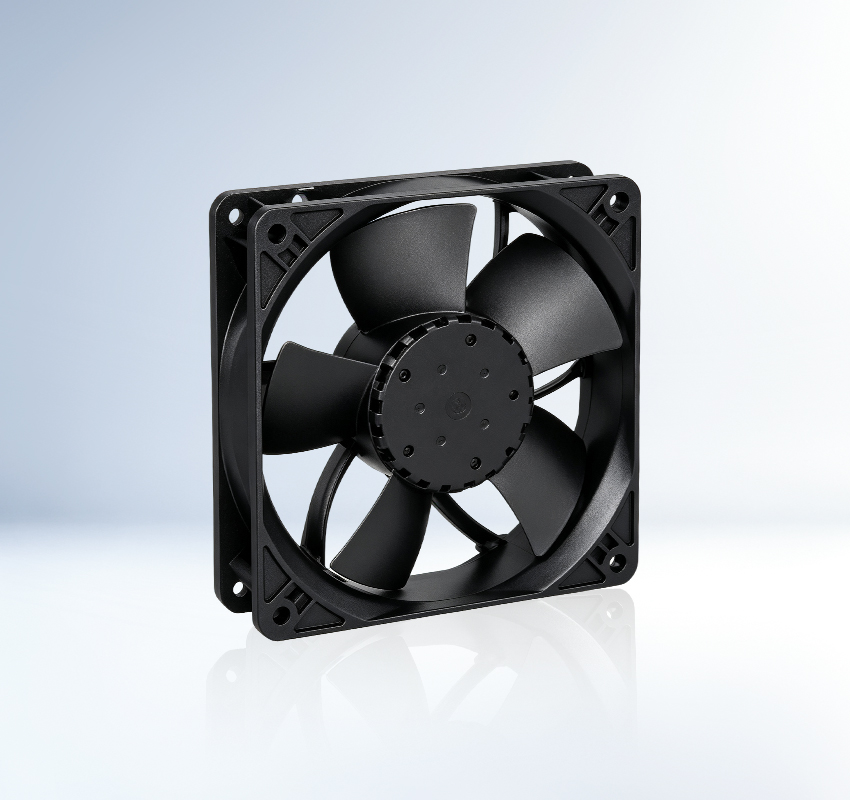
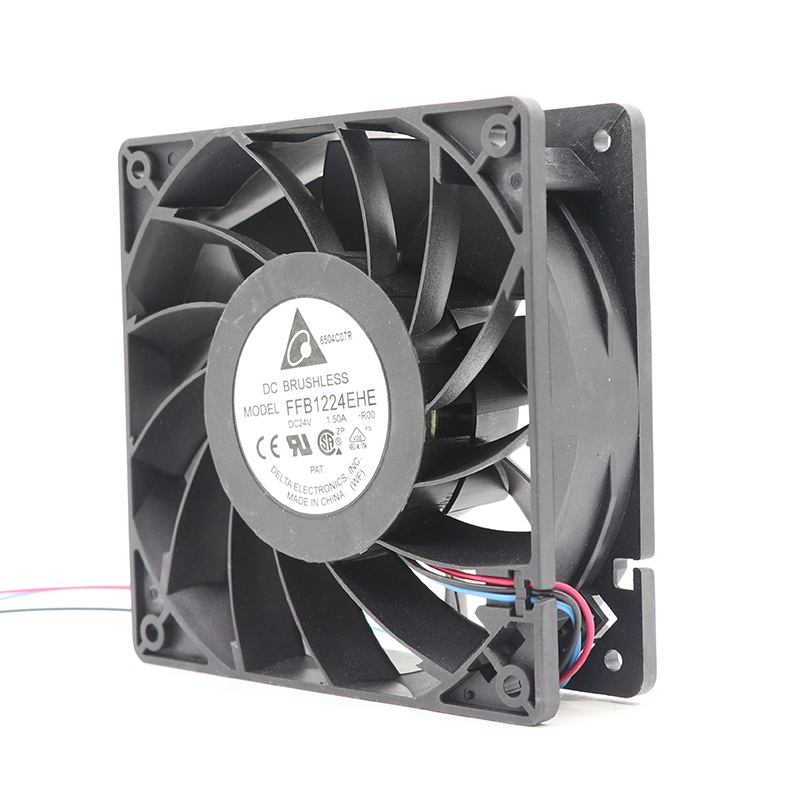
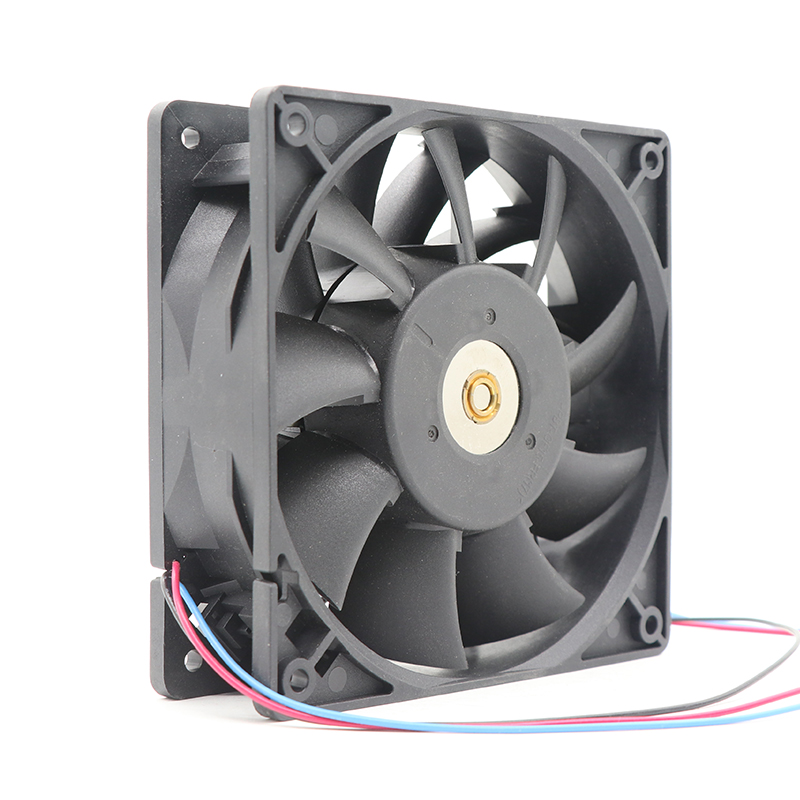
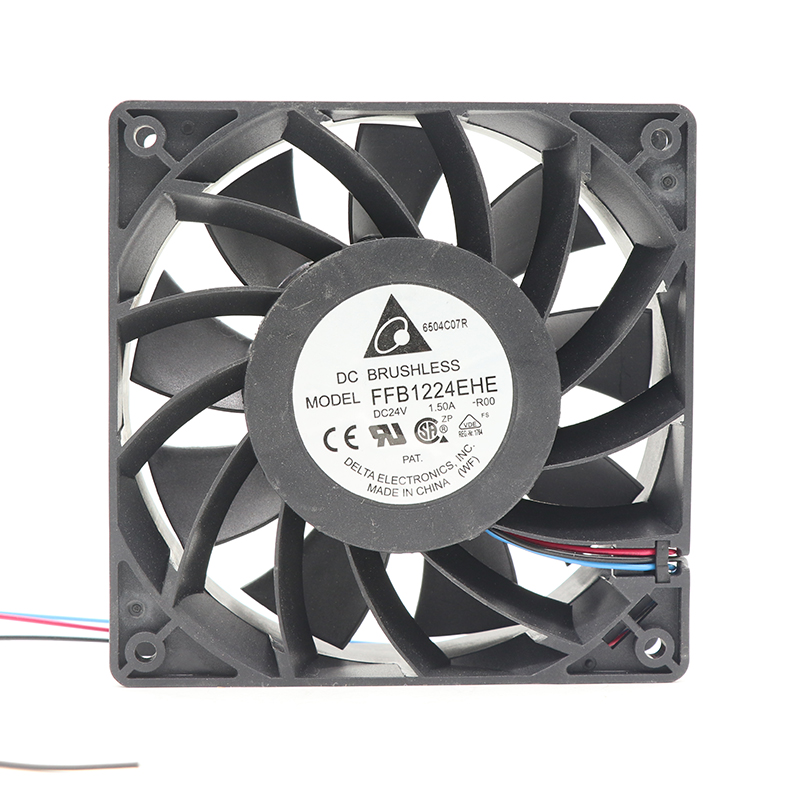
For server and telecom ventilation, FFB1224EHE is a 24VDC axial fan with a 24 W input rating. Its 120 x 120 x 38 mm dimensions and 4000 rpm speed offer a defined mechanical and electrical selection profile.
| Rated Voltage(V) | 24 |
|---|---|
| Size(mm) | 120*120*38 |
| Max.Air Flow(m³/h) | 112 |
| Max.Pressure(Pa) | 17.8 |
| Input Power(W) | 24 |
| Speed(rpm) | 4000 |
| Noise(db) | 59 |
Designed for uninterruptible power systems, Delta FFB1224EHE brings brushless DC axial fan integration to thermally loaded assemblies. Its role is to move cooling air across components during equipment operation.
A listed speed of 4000 rpm helps define the operating profile when reviewing airflow demand, mechanical mounting and the enclosure's acoustic target. Its high-performance fan family emphasizes air delivery and pressure capability, helping address the resistance of densely populated equipment. Acoustic results depend on the enclosure and duty point; smooth inlet geometry helps control avoidable airflow noise.
This fan is a practical candidate for equipment builders and service teams when its verified duty point and mounting interface match the finished system.
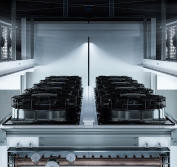
Delta FFB1224EHE serves server and storage equipment, helping remove heat from processors, drives and other heat-producing assemblies. Airflow supports stable equipment temperatures.
In uninterruptible power systems, Delta FFB1224EHE helps remove heat from power electronics. The cooling solution addresses heat produced during power conversion to support stable backup-power operation.
For power-supply equipment, Delta FFB1224EHE provides equipment cooling around power-conversion components. Managing electrical conversion losses helps maintain dependable power delivery.
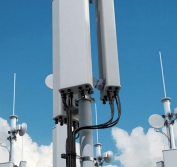
In telecommunications equipment, air movement helps handle continuous communication duty. Delta FFB1224EHE supports cooling around densely arranged electronic assemblies, contributing to service continuity.
FFB1224EHE is listed for Server and Telecommunications cooling. Confirm the installed airflow demand, pressure loss and ambient conditions before approval.
24VDC is listed for FFB1224EHE. Verify the allowable input range, phase, frequency where applicable, polarity and wiring diagram in the exact specification.
A matching outline alone does not prove compatibility. Check 24VDC, mounting dimensions, connector, pinout, airflow direction, control signals and the required pressure-flow point.
FFB1224EHE provides a defined axial fan format with a listed 4000 rpm speed in a 120 x 120 x 38 mm size. Compare its fan curve with the actual duty point rather than assuming a universal advantage.
The provided parameters do not prove a cost saving. Compare purchase price, power at the real operating point, service access, expected life and downtime risk for the complete cooling system.

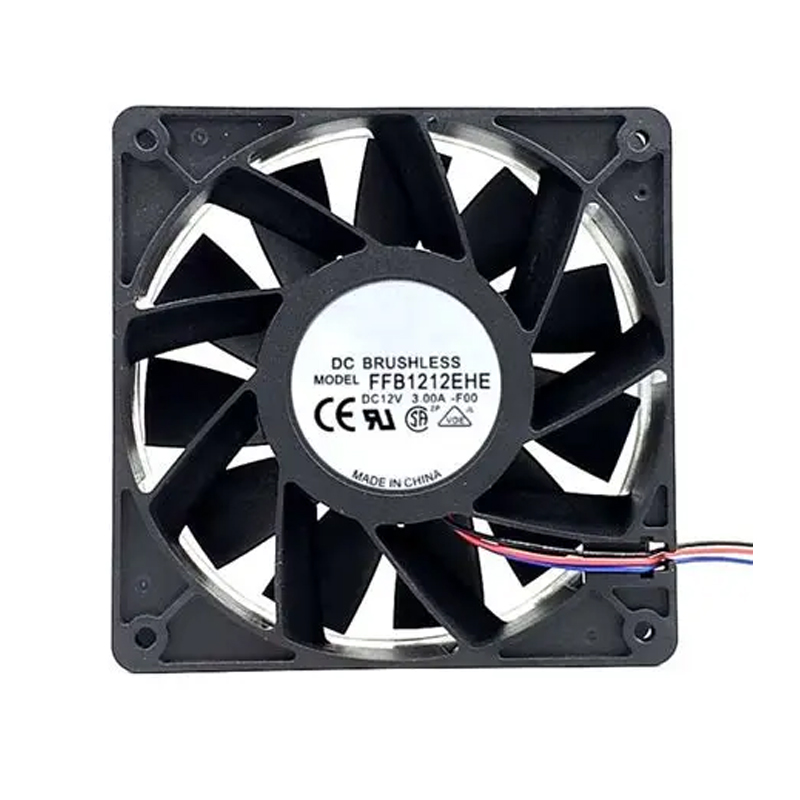
FFB1212EHE supports server and telecom ventilation with 322.8 m3/h listed maximum airflow. The 12VDC axial fan combines a 120 x 120 x 38 mm frame with a 4000 rpm speed and 24 W electrical input.
Read More
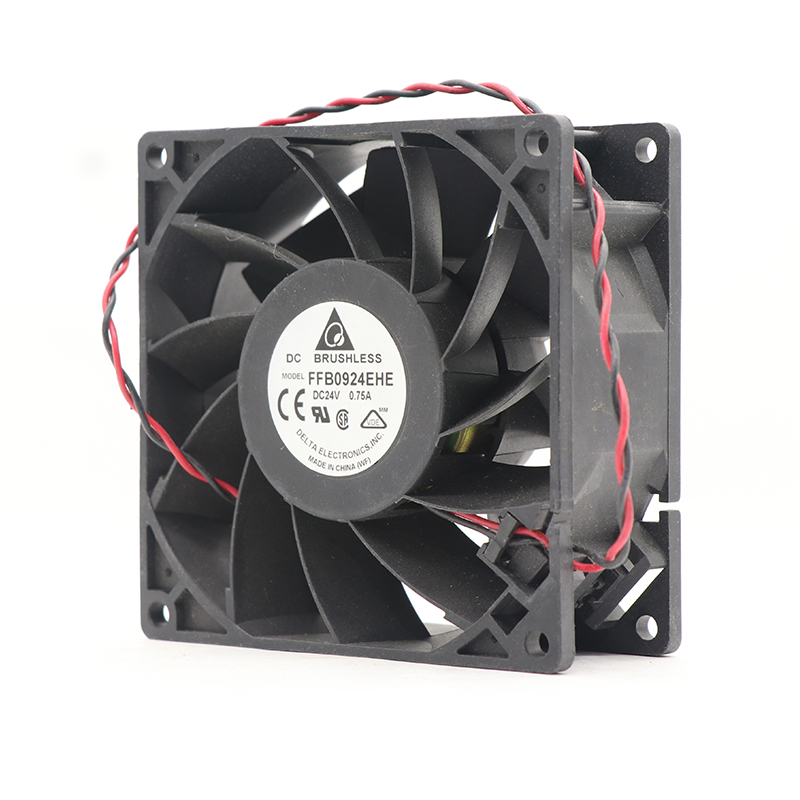
FFB0924EHE combines a 92 x 92 x 38 mm axial fan assembly with 24VDC operation for telecom and server cooling. Its listed 187 m3/h maximum airflow is paired with a 4800 rpm speed and 12 W input.
Read More
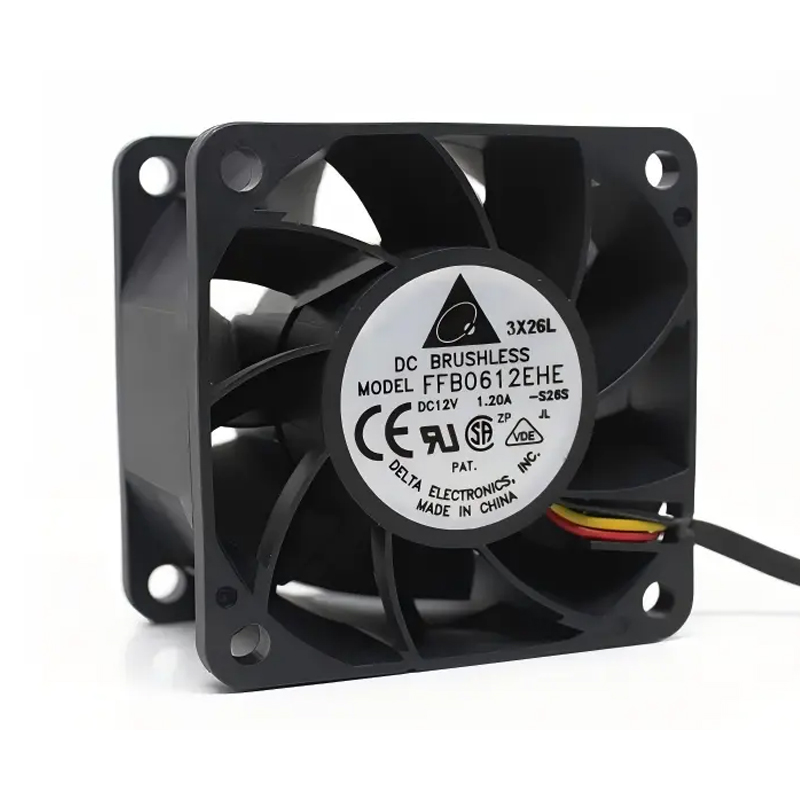
FFB0612EHE is the 12VDC axial fan configuration with 14.4 W listed input in this 60 mm telecom-cooling group. The 38 mm-deep housing permits a specific mechanical fit; its nominal speed is recorded as 8000 rpm.
Read More
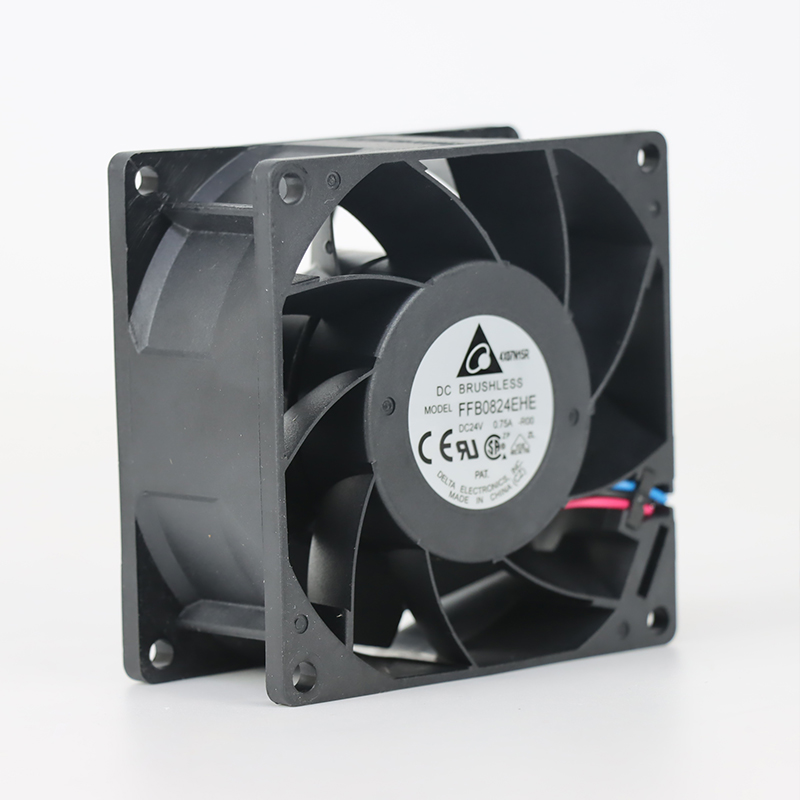
The FFB0824EHE is an 80 mm axial fan for telecom cooling on 24VDC. With 5700 rpm listed for its 38 mm-deep assembly, rotor speed and housing depth are central checks when choosing this model for an equipment rack.
Read More
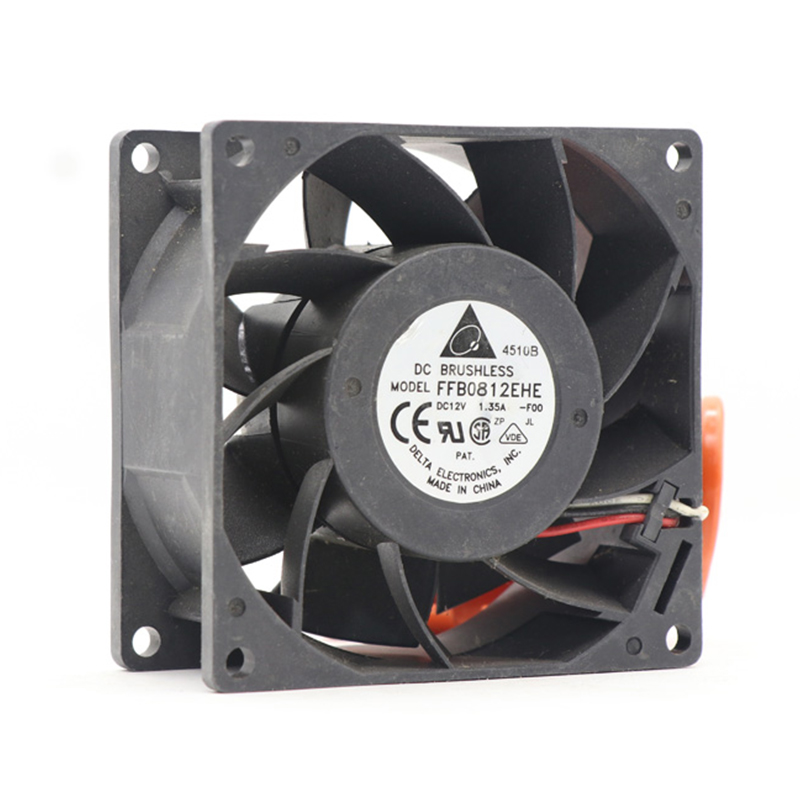
For server airflow in an 80 mm frame, FFB0812EHE uses a 38 mm-deep axial design. The 12VDC fan has a 5700 rpm rating and a listed maximum airflow of 136 m3/h, with 10.8 W input power specified.
Read More
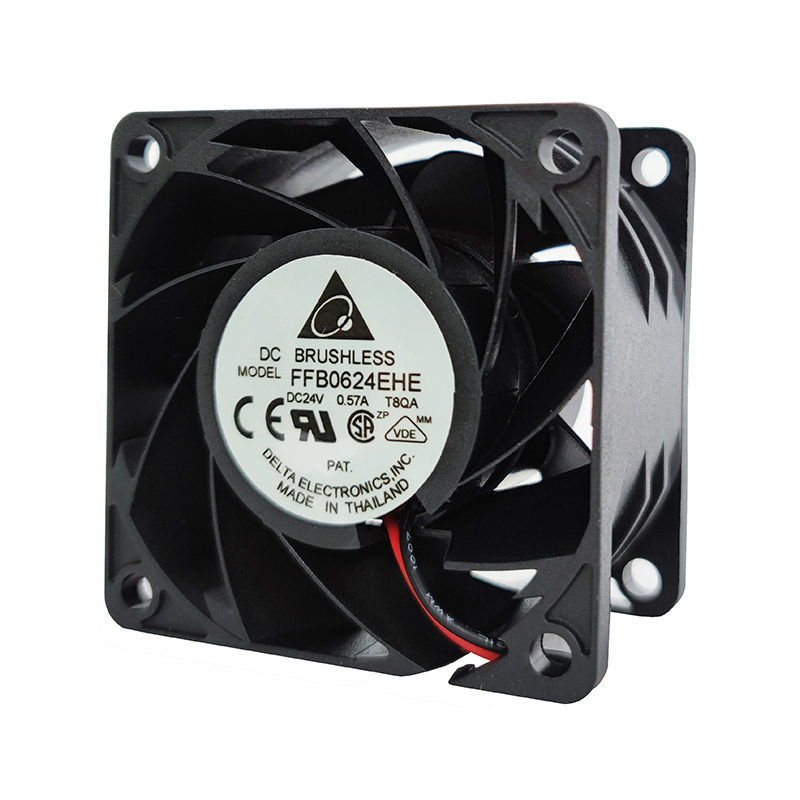
FFB0624EHE brings a 38 mm-deep, 60 mm axial format to server and telecom cooling. The 24VDC model runs at 8000 rpm, with 85.34 m3/h maximum airflow specified for this higher-speed enclosure fan.
Read More